Contents:
- Why bags under the eyes appear
- Types of bags under the eyes
- How to remove bags under the eyes: main methods
- What to do to prevent bags under the eyes on a regular basis
- When treatment is needed
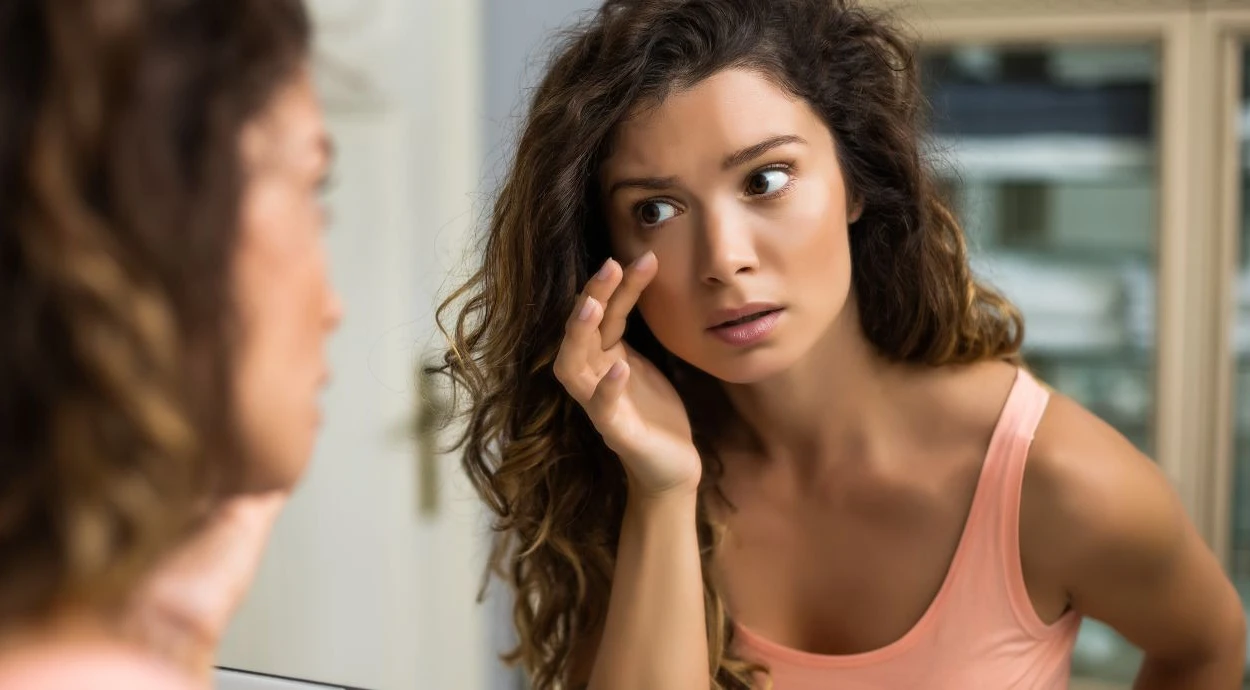
Bags under the eyes are a common aesthetic and sometimes medical problem that affects people of different ages. They may appear periodically, for example after a sleepless night, or be constant and noticeable even when a person feels well.
The causes of this condition may vary — from lifestyle factors to age-related changes or diseases of the internal organs. That is why it is important to understand in which cases this is only a temporary cosmetic defect and when it is a signal of disorders in the body. Persistent swelling that does not disappear during the day or is accompanied by other symptoms requires special attention.
In this article, we will look at why bags under the eyes appear, what types exist, as well as how to get rid of them effectively and safely — from simple home methods to modern medical treatments.
Why bags under the eyes appear
The appearance of bags under the eyes is associated with the anatomical features of this area and the influence of external and internal factors. The skin under the eyes is thin, has a minimal amount of subcutaneous fat, and reacts quickly to changes in the body. Fluid can easily accumulate in this area, which leads to puffiness.
The main causes include:
- fluid retention in the tissues, especially after excessive consumption of salt or alcohol;
- lack of sleep or sleep disturbances;
- age-related changes — reduced skin tone and weakening of the muscles;
- hereditary predisposition;
- allergic reactions;
- diseases of the kidneys, cardiovascular system, or thyroid gland.
It is also worth considering that bags may form due to the displacement or enlargement of fatty tissue in the lower eyelid area — these are the so-called herniated bags under the eyes, which do not disappear on their own and require a separate approach to treatment.
Why there are bags under the eyes in the morning
Most often, bags under the eyes become noticeable именно after waking up. This is related to the horizontal position of the body during sleep, which slows down the outflow of fluid from the facial tissues.
Common causes of morning puffiness include:
- eating salty food or drinking a large amount of liquid in the evening;
- lack of sleep or, conversely, excessive sleep;
- an uncomfortable head position during sleep;
- hormonal fluctuations.
In most cases, bags under the eyes in the morning are a temporary problem: during the day, the fluid is redistributed and the appearance improves.
Yellow bags under the eyes: possible causes
If the puffiness is accompanied by a yellowish tint of the skin, this may indicate not only a cosmetic problem. Yellow bags under the eyes are sometimes associated with pigment accumulation or metabolic disorders.
Possible causes:
- liver or gallbladder disease;
- lipid metabolism disorders;
- age-related skin changes;
- individual pigmentation features.
In such cases, it is important not to limit yourself to cosmetic care, but to consult a doctor to clarify the cause.
Why severe bags under the eyes appear
If the puffiness is pronounced, persists for a long time, or worsens, this may be a sign of more serious disorders. Severe bags under the eyes often indicate systemic changes in the body.
Possible causes include:
- chronic kidney disease;
- cardiovascular disorders;
- endocrine disorders;
- allergic reactions;
- a significant decrease in skin elasticity.
In such cases, it is important not only to try to eliminate the external manifestation, but also to determine the root cause.
Bags under the eyes in a child: why they appear
Bags under the eyes in a child are not always a sign of disease. In children, this area is also sensitive to changes in the daily routine and the condition of the body.
The most common causes are:
- fatigue or insufficient sleep;
- allergic reactions;
- hereditary features;
- excessive consumption of salty food;
- viral or inflammatory diseases.
If the puffiness persists, worsens, or is accompanied by other symptoms (lethargy, fever, changes in urination), a pediatrician consultation is advisable to assess the child’s health and rule out possible pathologies.
Types of bags under the eyes

Bags under the eyes can have different origins, and the approach to eliminating them directly depends on this. It is important to distinguish the type of puffiness, since there is no universal treatment method.
The main types of bags under the eyes are:
- Edematous bags. They form due to fluid accumulation in the tissues. Most often they appear in the morning and may decrease during the day. They are associated with sleep patterns, diet, or the general condition of the body.
- Fatty (herniated) bags. They occur due to the displacement of fatty tissue in the lower eyelid area. Such changes are permanent and do not disappear on their own.
- Malar bags (festoons). They are located slightly below the lower eyelid — in the cheekbone area. They are often associated with age-related changes and facial structural features.
- Pigmented changes. In some cases, the effect of bags is visually created by darkening of the skin or shadows in this area, although there may be no pronounced swelling.
- Age-related bags. They appear due to the loss of skin elasticity and weakening of the muscles, which leads to sagging.
It is also worth noting separately that bags under the eyes in men may be more pronounced because of denser skin and the characteristics of the fatty layer. In addition, men use skincare products less often, which also affects the condition of this area.
Correctly identifying the type of bags under the eyes makes it possible to choose an effective strategy — from lifestyle correction to the use of cosmetic or surgical methods.
How to remove bags under the eyes: main methods
The approach to correction depends on the cause of the bags under the eyes. In some cases, it is enough to change your lifestyle and establish a proper sleep routine, while in anatomical or age-related changes, more effective methods are needed.
To remove bags under the eyes, it is important first to determine their nature: it may be fluid retention, age-related tissue sagging, or fatty formations. The choice of strategy directly depends on this — from simple home measures to modern medical procedures.
Modern correction methods can be conditionally divided into several groups:
- quick methods for temporarily reducing puffiness;
- home care and lifestyle changes;
- non-invasive cosmetic procedures;
- surgical treatment methods.
Each of these approaches has its own indications, effectiveness, and limitations, so below we will consider them in more detail.
How to quickly remove bags under the eyes
If you need to quickly improve your appearance, it is important to act on the main cause of temporary bags — fluid retention and impaired microcirculation. In this case, methods that stimulate fluid drainage and tone the tissues work well.
Effective options:
- Cold compresses or patches. Moisten cotton pads with cool water or chamomile decoction and apply them under the eyes for 5–10 minutes. You can also use ready-made patches that have been pre-chilled in the refrigerator. Cold constricts blood vessels and reduces puffiness.
- Express masks for the under-eye area. Both ready-made cosmetic products (with caffeine, peptides, hyaluronic acid) and simple home options are suitable. For example, you can use chilled cucumber or potato slices, which are applied for 10–15 minutes. They help reduce puffiness and refresh the skin.
- Lymphatic drainage massage. Using gentle movements of your fingers or a roller, move from the inner corner of the eye to the outer corner, then down toward the temple. The movements should be soft, without pressure. The optimal duration is 2–3 minutes. This helps improve fluid outflow.
- Contrast washing. Alternately use warm and cool water (without sharp temperature changes). Finish the procedure with cool water — this helps tone the blood vessels.
For a quick effect, these methods can be combined: for example, start with contrast washing, then do a massage, and finish with a cold compress or mask. It is important to understand that such methods provide a temporary result and do not eliminate the cause if the bags under the eyes are permanent.
How to remove bags under the eyes at home
Home care can be effective for minor or periodic changes, especially if they are related to lifestyle, fatigue, or fluid retention. It is important to act not selectively, but comprehensively, combining several approaches.
Recommended:
- Normalizing your sleep schedule. The optimal sleep duration is 7–8 hours. It is important to go to bed and wake up at the same time. It is also worth sleeping with your head slightly elevated (on a low pillow) to prevent fluid stagnation in the facial area.
- Controlling evening meals. 2–3 hours before sleep, you should limit salty foods, alcohol, and large amounts of liquid. Salt retains water in the body, which directly affects the appearance of under-eye puffiness in the morning.
- Proper skincare. Use creams or gels for the eye area with caffeine, peptides, hyaluronic acid, or niacinamide. The product should be applied with light movements without stretching the skin — from the inner corner of the eye to the outer corner.
- Regular masks and compresses. It is worth using cooling masks or home compresses (for example, with green tea or chamomile) 2–3 times a week. This helps reduce puffiness and improve skin tone.
- Self-massage and lymphatic drainage. Daily light massage (1–2 minutes) promotes fluid outflow. You can use rollers or massage with your fingers along the massage lines without strong pressure.
- Regular exercises for the eye area. Simple exercises for bags under the eyes help improve blood circulation and muscle tone. For example: slowly closing and opening the eyes while holding the tension for 3–5 seconds, or slightly lifting the lower eyelid without involving the upper eyelid.
Specialists at “Oxford Estetik” note that such methods can significantly improve the condition of the skin and reduce the severity of bags under the eyes if they are functional in nature. At the same time, in the presence of fatty or age-related changes, home care has an auxiliary effect and cannot completely eliminate the problem.
How to reduce bags under the eyes without surgery
If home care does not provide the desired result, but the situation does not yet require surgical intervention, modern non-invasive and minimally invasive methods are used. They are aimed at improving microcirculation, increasing skin tone, and reducing fluid stagnation in the tissues.
Among the effective approaches are:
- Injection methods (mesotherapy, biorevitalization). Preparations with hyaluronic acid, amino acids, and vitamins are injected into the skin. This helps moisturize the tissues, improve their density, and reduce signs of fatigue. The course usually consists of 3–5 procedures with an interval of several weeks.
- Lymphatic drainage procedures. These may be manual or аппаратные techniques aimed at stimulating fluid outflow. The procedure is especially effective for edematous bags under the eyes, when the problem is related to fluid retention rather than fatty changes.
- Hardware skin-tightening methods. Technologies are used that affect the deep layers of the tissues and stimulate collagen production. This helps make the skin firmer and reduce sagging. One such method is SMAS lifting, which provides a gradual tightening effect without incisions.
- Microcurrent therapy. Weak electrical impulses stimulate muscle activity and improve blood circulation. This helps reduce puffiness and improves skin tone in the delicate area around the eyes.
- Combined programs. The best result is often achieved by combining several methods, for example injections and hardware procedures. This approach makes it possible to influence the problem comprehensively.
Specialists at the aesthetic medicine clinic “Oxford Estetik” select correction methods individually after examination. The doctor takes into account the cause of the bags, the patient’s age, the condition of the skin, and the expected result. This makes it possible to choose the optimal treatment option and avoid ineffective procedures.
It is important to understand that non-surgical methods are most effective in the early or moderate stages of change. If the bags under the eyes are fatty in nature or there is pronounced tissue sagging, such procedures can only partially improve the appearance but do not eliminate the cause completely.
How to conceal bags under the eyes
When you need to quickly improve your appearance, you can use decorative cosmetics. They do not eliminate the cause of the problem, but they make the look visually fresher and more rested.
To achieve a natural result, it is important not just to apply the product, but to properly prepare the skin and follow the application technique.
Main recommendations:
- Preparing the skin before makeup. Before applying cosmetics, be sure to use a moisturizing cream or gel for the under-eye area. This helps smooth the skin, reduce dryness, and prevent the concealer from “settling” into folds.
- Choosing the right concealer. It is optimal to choose a product that is 0.5–1 tone lighter than the skin. A concealer that is too light can emphasize puffiness, and one that is too dark can make the area look even more tired.
- Application technique. Concealer should not be applied directly to the puffiness itself. It is better to distribute it slightly below the bags, creating a tone-evening effect. Apply a small amount and gently blend with your fingertips or a sponge.
- Light textures instead of dense ones. Heavy foundation products can emphasize texture and make the bags more noticeable. It is better to use liquid or creamy textures with light coverage.
- Targeted highlighting. A small amount of highlighter or light concealer in the inner corner of the eye helps “open” the look and divert attention from the problem area.
It is also worth considering that eye makeup can affect the overall perception: neatly shaped eyebrows, a light accent on the lashes, or eyeshadow help divert attention from the under-eye area.
This approach allows you to quickly correct the appearance, but for a lasting result it is important to eliminate the true cause.
How to remove malar bags under the eyes
Malar bags (festoons) differ from classic bags under the eyes in that they form not under the lower eyelid, but in the cheekbone area. They are associated with the redistribution of fatty tissue, the features of the ligamentous apparatus, and fluid retention specifically in this area. Because of this, standard home methods usually do not provide a pronounced result.
The correction strategy depends on what predominates — fluid, fatty tissue, or age-related tissue drooping.
Main approaches:
- Injection correction. Preparations are used that improve skin quality and partially affect fluid distribution. In some cases, enzyme preparations or products for the correction of fat deposits are used. It is important that the injection of fillers into this area requires a very careful approach so as not to worsen the swelling.
- Lymphatic drainage work. If the malar bags are associated with fluid retention, procedures are prescribed that improve lymph outflow specifically in the middle third of the face. These may include hardware methods as well as specialized massage.
- Hardware methods of tissue treatment. Technologies are used that work at the level of deep structures, strengthen the ligaments, and tighten the tissues. One effective option is SMAS lifting, which makes it possible to affect not only the skin, but also the musculoaponeurotic layer that supports facial contours.
- Comprehensive approach. In most cases, several methods are combined to achieve a noticeable result: for example, hardware procedures together with lifestyle correction and local care. This makes it possible to influence all the mechanisms of festoon formation.
It is important to understand that malar bags are difficult to eliminate completely with one method or in a single procedure. The best result is achieved with an individually selected treatment plan that takes into account anatomical features and the cause of the changes.
How to get rid of bags under the eyes surgically
If the bags under the eyes are fatty in nature or associated with pronounced age-related changes, conservative methods do not provide sufficient effect. In such cases, the most effective solution is surgical correction.
Most often, blepharoplasty is used — an operation during which the doctor corrects the fatty tissue in the lower eyelid area and, if necessary, removes excess skin. This makes it possible to restore an even contour of the under-eye area and a more open look.
Depending on the clinical situation, the following are used:
- Transconjunctival blepharoplasty. It is performed through the inner surface of the eyelid without external incisions. It is suitable when there is protrusion of fatty tissue, but the skin retains tone and does not require removal.
- Classic (transcutaneous) blepharoplasty. It is performed through a small incision under the eyelashes. It makes it possible to simultaneously correct fatty tissue and remove excess skin in age-related changes.
After the surgery, moderate swelling and bruising are possible, which gradually decrease over several days. The final result forms gradually as the tissues recover.
The advantage of the surgical method is that it makes it possible to eliminate the anatomical cause of the problem and provides a long-lasting, stable result without the need for regular procedures.
What to do to prevent bags under the eyes on a regular basis
To keep bags under the eyes from appearing regularly, it is important to influence not only the external manifestations, but also the causes of their occurrence. A lasting result is possible only with a systematic approach — a combination of the right routine, care, and monitoring of health status.
Main recommendations:
- A stable sleep routine. It is advisable to go to bed and wake up at the same time, sleeping at least 7–8 hours. The position of the head is also important — it should be slightly elevated to avoid fluid stagnation.
- Diet control. Excessive consumption of salt, alcohol, and heavy food in the evening contributes to fluid retention. The diet should be balanced, with enough water during the day and a reduced load on the body in the second half of the day.
- Regular skincare. Daily use of products for the area around the eyes helps maintain skin tone and reduce the risk of puffiness. Products with caffeine, antioxidants, and moisturizing components improve microcirculation.
- Physical activity and movement. A sedentary lifestyle contributes to stagnant processes. Regular activity improves blood circulation and helps reduce the risk of puffiness in the facial area.
- Monitoring health status. If bags under the eyes appear often or do not disappear, it is worth checking kidney function, the cardiovascular system, and hormonal balance. In such cases, it is important not only to care for the skin, but also to eliminate the underlying cause.
- Minimizing stress and fatigue. Chronic fatigue affects the condition of the skin and contributes to signs of exhaustion, particularly in the under-eye area.
If the question arises of what to do so that bags under the eyes disappear, the answer lies not in one method, but in a combination of habits and care. Regularity and a comprehensive approach make it possible not only to improve appearance, but also to reduce the risk of the bags under the eyes reappearing.
When treatment is needed
In many cases, bags under the eyes are temporary and related to lifestyle, lack of sleep, or dietary mistakes. However, sometimes they may be a sign of disorders in the body and require not only care, but a full medical examination.
You should pay attention in the following situations:
- bags under the eyes do not disappear during the day or remain constant;
- the puffiness gradually increases or becomes more pronounced;
- additional symptoms appear — weakness, swelling in other areas, changes in urination;
- there is a feeling of discomfort, pain, or tension in the under-eye area;
- the problem appeared suddenly without an obvious cause.
In such cases, bags under the eyes may be associated with diseases of the kidneys, cardiovascular or endocrine system, as well as allergic reactions. Situations in which the puffiness is asymmetrical or accompanied by a change in skin color should be assessed separately.
Treatment may also be advisable if the bags under the eyes are fatty or age-related in nature and cannot be corrected with home or cosmetic methods. In such cases, the doctor selects an individual treatment strategy — from non-invasive procedures to surgical intervention.
Timely consultation with a doctor makes it possible not only to improve appearance, but also to rule out possible diseases that may manifest with a similar symptom.
The information in this article is provided for informational purposes only and is not an instruction for self-diagnosis or self-treatment. If symptoms of a disease appear, you should consult a doctor.
Sources:
US National Library of Medicine