Sign up via call center
Department
Treatment of adrenal cancer at the private clinic Oxford Medical Kyiv

Hyperaldosteronism

Persistent increase in arterial blood pressure, muscle weakness, cramps, increased thirst or frequent urination may sometimes be associated not only with cardiovascular diseases or lifestyle. In some cases, such symptoms occur due to hormonal disorders that affect the water-electrolyte balance of the body.

One of the possible causes of such changes is hyperaldosteronism. This is an endocrine disease associated with excessive activity of the adrenal glands and increased production of the hormone aldosterone. Timely consultation with an endocrinologist and a comprehensive examination help determine the cause of changes in well-being and select the optimal treatment strategy.

What is hyperaldosteronism?

Hyperaldosteronism is a condition in which the adrenal glands produce an excessive amount of the hormone aldosterone. This hormone is responsible for the regulation of sodium, potassium, and water levels in the body, and also affects blood pressure.

An excess of aldosterone leads to the retention of sodium and fluid in the body, which causes an increase in blood pressure. At the same time, the level of potassium in the blood decreases, which can cause muscle weakness, heart rhythm disorders, and other symptoms.

In many patients, the disease for a long time manifests only as persistent arterial hypertension that responds poorly to standard treatment. That is why hyperaldosteronism is considered one of the important causes of secondary arterial hypertension that must be excluded during examination.

Classification of hyperaldosteronism

Depending on the mechanism of development, two main forms of this disorder are distinguished.

Primary hyperaldosteronism

Primary hyperaldosteronism occurs when the adrenal glands themselves begin to produce an excessive amount of aldosterone. Most often the cause is a hormonally active benign tumor or bilateral enlargement of the adrenal cortex.

One of the forms of this disorder is Conn’s syndrome — a condition associated with an adrenal adenoma that produces aldosterone. It is one of the most common causes of hormonally induced arterial hypertension.

Forms of the primary disorder also include idiopathic hyperaldosteronism, which occurs due to bilateral hyperplasia of the adrenal cortex.

Secondary hyperaldosteronism

Secondary hyperaldosteronism develops in response to other diseases or conditions that lead to increased production of aldosterone. This may occur in kidney diseases, heart failure, or circulatory disorders.

In such cases, the adrenal glands respond to signals from other body systems, therefore treatment is primarily aimed at eliminating the underlying cause.

Hyperaldosteronism: symptoms

The manifestations of the disease may be different and largely depend on the level of hormonal
disorders and the duration of the course of the disease.

The most common symptoms:

persistent or difficult-to-control increase in blood pressure;

muscle weakness and rapid fatigue;

cramps or tingling in the muscles;

heart rhythm disturbance;

frequent urination;

increased thirst;

headache;

decrease in the level of potassium in the blood.

List of diseases

In some patients, the symptoms may be mild. Sometimes the only sign of the disease for a long time remains arterial hypertension, which requires additional examination to determine its cause.

Causes of development

The causes of the development of this hormonal disorder may be different. The most common factors include:

  • benign tumors of the adrenal glands;
  • hyperplasia (enlargement) of the adrenal cortex;
  • kidney diseases;
  • impaired blood supply to the kidneys;
  • heart failure;
  • chronic liver diseases;
  • prolonged activation of the renin-angiotensin system, which regulates blood pressure and water-salt balance.

In some cases, the development of the disease may be associated with a genetic predisposition or features of the hormonal regulation of the body.

Hyperaldosteronism: diagnosis of the disease

Diagnosis is aimed at two main tasks: to determine whether the level of the hormone aldosterone in the body is elevated and to find out the cause of its excessive production. For this purpose, the endocrinologist evaluates symptoms, results of laboratory tests, and data from instrumental studies.

The examination is usually carried out step by step and may include:

  • laboratory blood tests to determine the level of aldosterone and renin;
  • calculation of the aldosterone-to-renin ratio, which helps to suspect a hormonal disorder;
  • assessment of electrolyte levels in the blood, in particular sodium and potassium;
  • 24-hour urine analysis to determine the excretion of hormones and electrolytes;
  • special functional tests that confirm excessive production of aldosterone;
  • instrumental visualization methods to assess the structure of the adrenal glands.

One of the important methods of instrumental diagnosis is CT of the adrenal glands, which allows assessment of their size, structure, and detection of possible neoplasms or signs of hyperplasia of the adrenal cortex. If necessary, the doctor may prescribe additional studies to clarify the nature of the detected changes.

Comprehensive interpretation of the examination results allows differentiation between primary and secondary hyperaldosteronism, determination of the source of the hormonal disorder, and selection of the optimal tactic for further treatment.

Main methods of treatment

The treatment strategy depends on the form of the disease, the cause of excessive aldosterone production, and the general condition of the patient. After confirmation of the diagnosis, the doctor determines an individual treatment plan aimed at normalizing the hormonal balance and controlling blood pressure.

If hyperaldosteronism is confirmed, treatment may include medication therapy or surgical intervention.

Medication therapy

Conservative treatment is used in cases when the disease is associated with bilateral hyperplasia of the adrenal glands or other conditions that lead to secondary hyperaldosteronism.

Medication therapy may include:

  • medications that block the action of aldosterone (mineralocorticoid receptor antagonists);
  • antihypertensive agents to control blood pressure;
  • if necessary — potassium preparations to normalize its level in the blood.

Such treatment makes it possible to reduce the effect of excess aldosterone on the body, normalize the water-electrolyte balance, and stabilize blood pressure.

Surgical treatment

Surgical intervention may be recommended in primary hyperaldosteronism if the cause of the disease is a hormonally active tumor of the adrenal gland (aldosterone-producing adenoma).

In such cases, removal of the affected adrenal gland is performed — adrenalectomy. Most often the operation is performed using a minimally invasive method, in particular laparoscopically, which allows reduction of the traumatic nature of the intervention and shortening of the recovery period.

Patients can undergo surgical treatment in the high-tech surgical inpatient department of the clinic “Oxford Medical”. Experienced surgeons apply modern techniques that ensure high precision of the intervention and safe postoperative recovery.

After the operation, the level of aldosterone gradually normalizes, which makes it possible to significantly reduce the manifestations of the disease and improve the control of blood pressure.

Complications in the absence of treatment

If the hormonal imbalance is not corrected for a long time, excess aldosterone may negatively affect the functioning of the cardiovascular system, kidneys, and other organs. Without treatment, the risk of complications gradually increases.

Possible consequences:

  • persistent arterial hypertension that is poorly controlled with medication;
  • heart rhythm disturbance;
  • thickening of the heart muscle and development of heart failure;
  • stroke or heart attack;
  • kidney damage and gradual decrease of their function;
  • chronic disturbances of the water-electrolyte balance.

Timely diagnosis and properly selected treatment help reduce the risk of developing these complications and improve blood pressure control.

Hyperaldosteronism: price of treatment in Kyiv at the clinic “Oxford Medical”

The cost of treatment of hyperaldosteronism depends on the form of the disease and the chosen treatment strategy. You can ознакомиться with current prices for doctor consultations and other medical services here. The doctor will provide more detailed guidance regarding the necessary examinations and possible treatment options during the consultation. You can make an appointment at a convenient time for you by phone or by using the online appointment form on the website.

Frequently asked questions

What is the difference between Cushing syndrome and Conn syndrome?

Cushing syndrome occurs due to an excess of the hormone cortisol, which is produced by the adrenal glands or forms as a result of other endocrine disorders. It is characterized by weight gain, increased blood pressure, and changes in the skin and metabolism. Conn syndrome is associated with excessive production of aldosterone, which leads to increased blood pressure and a decrease in the level of potassium in the blood.

Which vitamin deficiency causes hyperaldosteronism?

Hyperaldosteronism is not associated with vitamin deficiency. This is a hormonal disorder that occurs due to excessive production of aldosterone by the adrenal glands. Most often the cause is a hormonally active adrenal tumor, hyperplasia of the adrenal cortex, or diseases that lead to increased production of this hormone.

At what age does hyperaldosteronism occur?

Hyperaldosteronism may develop at different ages, however it is most often diagnosed in adults aged from 30 to 60 years. In most cases, the disease is detected during the examination of the causes of persistent increased blood pressure. In younger patients it occurs less often, however it may also develop.

( Rating: 4.85 , Votes: 47 )
Our services
Consultations
Consultation with an endocrinologist
1100.00 ₴
Add Added
Consultation with a leading endocrinologist
1989.00 ₴
Add Added
Online consultation with an endocrinologist
1100.00 ₴
Add Added

Advantages of hyperaldosteronism treatment at the private clinic “Oxford Medical”

Accurate diagnosis of hormonal disorders. Modern laboratory tests, ultrasound, CT, and other examination methods allow assessment of the function of the adrenal glands and determination of the cause of increased aldosterone levels.

Experienced endocrinologists. Consultations are conducted by experienced specialists who work in accordance with modern clinical recommendations.

Possibility of comprehensive treatment. If there are indications, patients can undergo treatment in the high-tech surgical inpatient department of the clinic.

Convenient location of medical centers. Clinics “Oxford Medical” are located in different districts of Kyiv, which allows choosing the most convenient place for consultation and examination.

Our doctors

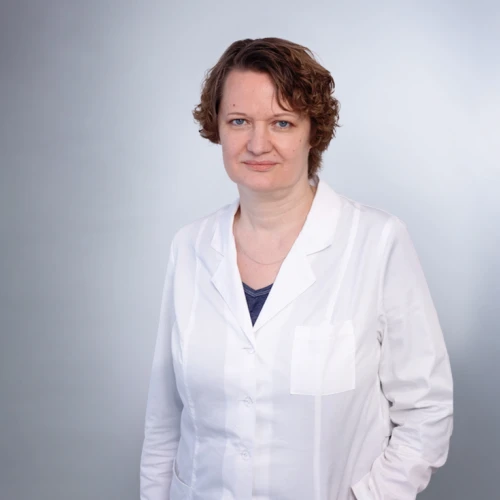
Tarasenko Natalia Leonidivna
5
rating (19)
22+
Years of experience
Endocrinologist of the highest category
22+ Years of experience
Consultation 1100
Make an appointment
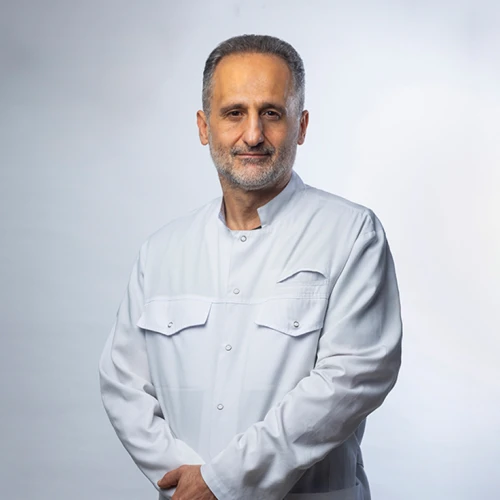
Al-Faqih Ali Anis
4.94
rating (34)
25+
Years of experience
Endocrinologist
25+ Years of experience
Consultation 1100
Kyiv, Hlybochytska St., 40x
Kyiv, 9 Ivana Kramskoho Street
Make an appointment
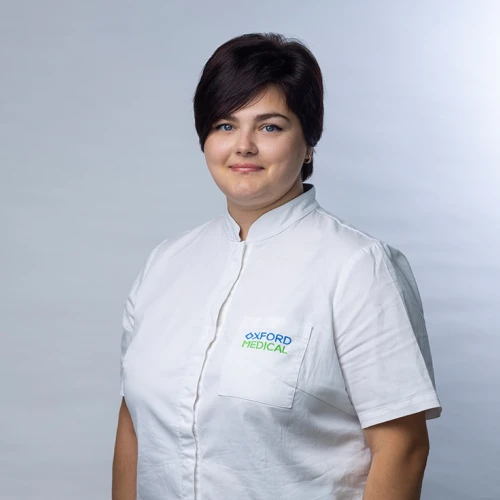
Anastasia Olegovna Shchegel
4.25
rating (16)
5+
Years of experience
Online consultation
Endocrinologist
5+ Years of experience
Consultation 1100
Kyiv, Oleksandra Olesia St., 2
Make an appointment
Golenok Viktoria Valeriivna
5
rating (17)
10+
Years of experience
Online consultation
Physician, endocrinologist
10+ Years of experience
Consultation 1100
Kyiv, Knyaziv Ostrozkyh St., 46/2
Make an appointment
All doctors
Reviews
Світлана 17.12.2025
Ірина Андріївна уважно поставилася до моїх скарг, детально пояснила результати аналізів. Консультація пройшла спокійно, без поспіху. Рекомендації зрозумілі та практичні. Після призначень стало краще, дуже вдячна.
Star Star Star Star Star
Андрій 13.12.2025
Консультація пройшла на високому рівні. Лікар ретельно вивчила мої результати, відповіла на всі запитання та надала конкретні рекомендації. Відчувається професійність і впевненість у кожному рішенні.
Star Star Star Star Star
Current information
All Articles
Sign up via call center
in the clinic
online
This site is protected by reCAPTCHA technology, and the Google Privacy Policy and Terms of Service apply.
Hello!
Let's take care
about your health:
Sign up via call center

We use cookies and other technologies to remember your preferences and find out exactly how you use and interact with the site.

By using our site, you also agree to the terms of the "User Agreement" and "Regulation on the processing and protection of personal data". By clicking "I AGREE", you consent to the processing of your data.