


a lump or thickening in the area of the front surface of the neck;
The most common variant in which the nodule is formed from the colloid tissue of the thyroid gland. In most cases, such formations are benign and do not affect hormone production.

 Adults Adults Adults Adults Adults Adults Adults Adults Adults
  Children Children Children Children


 Hotline:
 Adults Adults Adults Adults Adults Adults Adults Adults Adults Children Children Children Children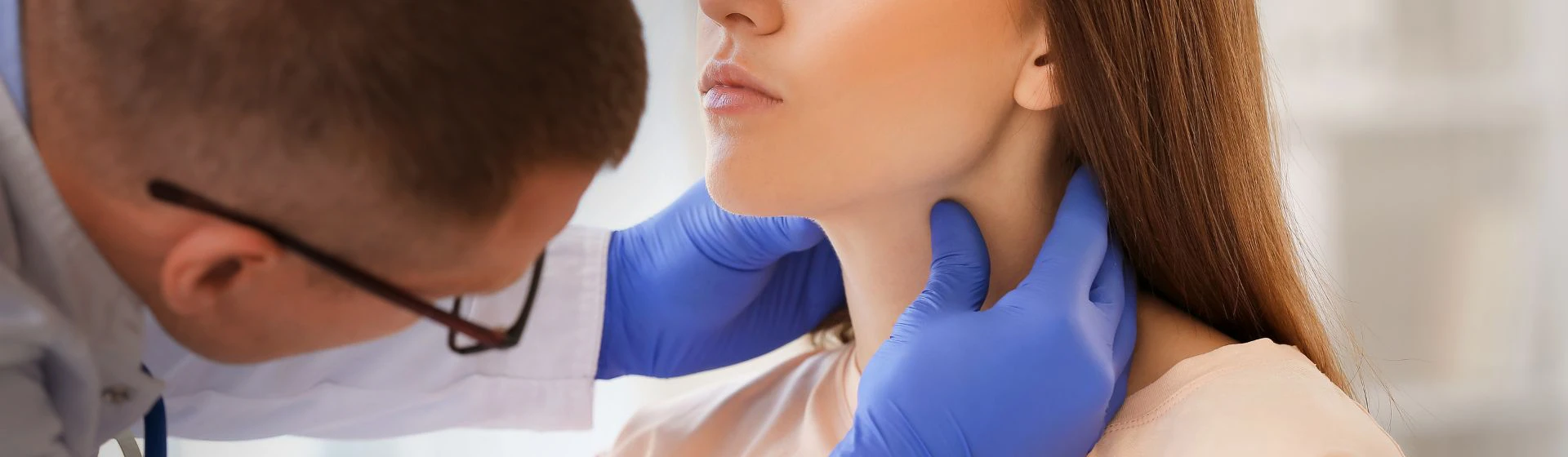
Changes in the thyroid gland may not cause noticeable symptoms for a long time. Nodular formations are often detected during a preventive examination or an ultrasound examination when a person visits a doctor for another reason. Sometimes the nodule gradually increases and becomes noticeable in the area of the front part of the neck or causes discomfort when swallowing.
This condition is called nodular thyroid goiter. When neoplasms appear, it is important to undergo an examination to determine their nature, assess the condition of the organ, and, if necessary, select treatment.
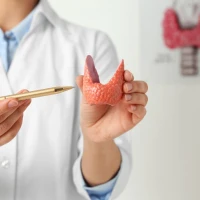
Nodular goiter is a condition in which local neoplasms form in the tissue of the thyroid gland. They represent limited areas of tissue that differ in density or structure from the surrounding tissues of the gland.
Nodules may be solitary or multiple and may differ in size and structure. Some of them do not affect the hormonal function of the thyroid gland, while others may produce hormones or affect its function. To determine the type of nodule and assess the risks, a comprehensive examination is performed, which helps clarify its structure, size, and functional activity.
Many patients do not feel changes in their well-being for a long time. However, nodular goiter should not be left without monitoring, since over time the neoplasms may increase or affect the functioning of the thyroid gland.
Possible consequences of the disease include:
In some cases, nodules may affect the production of thyroid hormones or change their structure over time. That is why, when neoplasms are detected, it is important to undergo examinations regularly and remain under medical supervision. This allows monitoring the dynamics of changes and timely determining further treatment tactics.
Endocrinologists distinguish different types of nodular goiter depending on the structure of the neoplasm and its effect on the hormonal function of the thyroid gland.
The most common types are:
The most common variant in which the nodule is formed from the colloid tissue of the thyroid gland. In most cases, such formations are benign and do not affect hormone production.
Nodules are present in the tissue of the thyroid gland but do not change its hormonal activity, therefore the level of thyroid hormones remains within the normal range. Just like nontoxic diffuse goiter, this form is usually not accompanied by a disturbance of the hormonal function of the thyroid gland.
The nodular formation begins to actively produce thyroid hormones, which may lead to the development of thyrotoxicosis and the appearance of characteristic symptoms.
In addition to the type of nodular formations, doctors also assess the degree of goiter development, that is, how enlarged the thyroid gland is and whether these changes are visible externally.
Stages of development:
The thyroid gland is slightly enlarged, however this is usually not noticeable externally. Changes can be detected during palpation or ultrasound examination.
The enlargement of the thyroid gland becomes noticeable during swallowing or when examining the front surface of the neck.
The thyroid gland increases significantly, which may change the contours of the neck and cause a feeling of pressure or discomfort.
The formation of neoplasms in the thyroid gland may be associated with various internal and external factors. In most cases, nodular thyroid goiter develops gradually under the influence of several causes at the same time.
The main factors include:
The combination of several such factors may contribute to changes in the structure of the organ tissue and the formation of neoplasms. That is why, when suspicious symptoms or enlargement in the neck area appear, it is important to consult a doctor in a timely manner and undergo an examination.
In the early stages, changes may not cause pronounced complaints.
When nodular goiter enlarges, symptoms may intensify.
The main signs are:


a lump or thickening in the area of the front surface of the neck;
noticeable enlargement of the thyroid gland;
a feeling of pressure or discomfort in the neck area;
difficulty swallowing.

Examinations are carried out to determine the number and size of the nodules, assess their structure, and check whether they affect the functioning of the thyroid gland. Diagnostics also helps to distinguish nodular formations from other diseases and determine further treatment or observation tactics.
The examination usually includes:
The key examination method is ultrasound examination of the thyroid gland. It allows detection of neoplasms, determination of their size, structure, contours, and assessment of tissue blood supply.
If the examination results require clarification, the doctor may recommend fine-needle aspiration biopsy. During this procedure, a sample of cells from the nodule is taken for further analysis, which helps assess the nature of the formation and exclude malignant changes.
The approach to treatment is selected individually after the examination. The doctor evaluates the size and structure of the nodular formation, checks whether it affects the hormonal function of the thyroid gland, and also takes into account the results of laboratory tests and data from instrumental examinations.
If the nodule is small and does not disrupt the functioning of the thyroid gland, in many cases regular medical monitoring is sufficient. This approach allows monitoring the condition of the gland and noticing possible changes in time.
The patient is usually advised to:
If during a preventive examination the size of the nodule changes or new complaints appear, the doctor may adjust the further treatment plan.
In some cases, medication therapy is used to treat nodular goiter. It may be recommended if the formation of nodules is associated with iodine deficiency or there is a risk of their gradual enlargement.
The doctor may prescribe:
The treatment regimen is determined individually. During therapy, it is important to regularly undergo follow-up examinations so that the doctor can assess the body’s response to treatment and adjust prescriptions in a timely manner.
Surgical treatment is used in cases when neoplasms significantly increase, cause pronounced discomfort, or there is a suspicion of pathological changes in the thyroid gland tissue.
Indications for removal of nodular thyroid goiter may include:
The type and extent of the operation are determined after a comprehensive examination. Modern surgical techniques allow effective elimination of pathological changes and minimize the risk of postoperative complications.
The cost of treatment for nodular goiter depends on the chosen treatment strategy. In some cases, dynamic observation is sufficient, while other patients may require medication therapy or surgical intervention.
You can ознакомиться with the current prices for doctor consultations and other medical services here. The doctor will provide more detailed information about the necessary examinations, treatment strategy, and their cost during the consultation.
You can make an appointment at a convenient time by phone or by using the online appointment form on the website.
In many cases, nodular goiter can be successfully controlled. The treatment strategy depends on the size of the nodule, its structure, and its effect on the hormonal function of the thyroid gland. Small nodules sometimes require only regular monitoring. If the nodule increases in size, causes symptoms, or changes the function of the organ, the doctor may prescribe medication treatment or recommend surgical intervention.
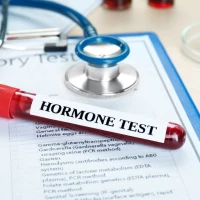
In most cases, nodular goiter of the thyroid gland is not cancer. The majority of nodular formations of the thyroid gland are benign and do not pose a threat to life. However, every nodule requires examination, as a small percentage of formations may be malignant. To clarify the nature of the nodule, the doctor prescribes ultrasound, hormone tests, and, if necessary, fine-needle biopsy.
A strict special diet for nodular goiter is usually not required. It is important to follow a balanced diet and not take iodine-containing medications or dietary supplements without a doctor's recommendation. Excess iodine in some cases may affect the functioning of the thyroid gland. Dietary specifics are best discussed with an endocrinologist after an examination.
In most cases, the disease is not an obstacle to pregnancy. Many women successfully become pregnant and give birth if the function of the thyroid gland remains normal. Before planning pregnancy, it is recommended to undergo an examination by an endocrinologist to assess the condition of the neoplasm and hormone levels.
Moderate physical activity is usually allowed and can even be beneficial for the overall condition of the body. In most cases, people can exercise without restrictions if the function of the thyroid gland is not impaired. However, if the nodule significantly enlarges or hormonal changes occur, the doctor may recommend limiting intense physical activity and selecting a safe level of exercise.


Experienced endocrinologists. Consultations are conducted by specialists who work in accordance with modern clinical guidelines.
Expert-class equipment. Modern examination methods allow accurate assessment of the size of nodular formations and their structure.
Individual approach to treatment. The treatment strategy is determined taking into account the type of nodular formation, its size, and hormonal activity.
Convenient location of medical centers. The «Oxford Medical» clinics are located in different districts of Kyiv, allowing patients to choose the most convenient location for consultation.

 5
5  22+
22+  22+ Years of experience
 4.94 25+ 25+ Years of experience
  Kyiv, Hlybochytska St., 40x Kyiv, 9 Ivana Kramskoho Street
  4.25 5+
  5+ Years of experience Kyiv, Oleksandra Olesia St., 2
  5 10+ 10+ Years of experience Kyiv, Knyaziv Ostrozkyh St., 46/2

 in the clinic
  online
  Hello!


