Sign up via call center
Department
Endocrine surgery at the private clinic Oxford Medical Kyiv

Treatment of parathyroid diseases

Treatment of parathyroid gland diseases

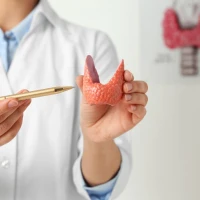
The parathyroid glands are small endocrine organs located near the thyroid gland. They play an important role in the regulation of mineral metabolism and in maintaining the stable functioning of the nervous, muscular, and skeletal systems.

When pathology of the parathyroid glands occurs, the production of parathyroid hormone changes — a hormone that participates in the regulation of calcium and phosphorus levels in the body. As a result, various symptoms may appear: muscle weakness, cramps, bone pain, changes in well-being, or heart rhythm disorders.

Modern diagnostic methods make it possible to determine the cause of hormonal disorders, and properly selected therapy helps stabilize the condition of the body and reduce the risk of complications. You can undergo a parathyroid gland examination in Kyiv and receive a consultation from an experienced endocrinologist at the network of medical centers “Oxford Medical”.

The most common diseases of the parathyroid glands

The parathyroid gland is a small endocrine gland that produces parathyroid hormone and participates in the regulation of calcium and phosphorus levels in the body. The function of the parathyroid glands is to maintain a stable level of calcium and phosphorus, which is necessary for the normal functioning of the nervous system, muscles, and bone tissue.

When the parathyroid gland is affected, diseases are most often associated with changes in the level of parathyroid hormone, its excessive or insufficient production. Such disorders may gradually affect the functioning of various organs and systems, therefore they require timely diagnosis and treatment.

The most common diseases include:

Hyperparathyroidism

This is a condition in which an excessive amount of parathyroid hormone is produced. As a result, the level of calcium in the blood increases, which may cause bone pain, increased fatigue, weakness, as well as the formation of kidney stones. Most often the cause is a benign neoplasm, for example an adenoma.

Hypoparathyroidism

This disease occurs when the production of parathyroid hormone decreases. As a result, the level of calcium in the blood may decrease, which sometimes manifests as cramps, tingling in the limbs, muscle spasms, or increased neuromuscular excitability. In some cases, hypoparathyroidism develops after operations on the thyroid gland or due to autoimmune disorders.

Parathyroid gland adenoma

This is a benign tumor that may cause excessive production of parathyroid hormone. With such a pathology, during examination an enlarged parathyroid gland is sometimes detected, which requires additional diagnostics and the selection of an appropriate treatment strategy.

Hyperplasia of the parathyroid glands

This is a condition in which the tissue of the glands increases and their hormonal activity intensifies. Such changes may occur in chronic kidney diseases, long-term disorders of mineral metabolism, or other endocrine disorders.

Symptoms of parathyroid gland disorder

Disorders may manifest in different ways, since the hormones of the parathyroid glands affect calcium
metabolism, the condition of bone tissue, as well as the functioning of muscles and the nervous system.

When the parathyroid gland is affected, the symptoms may be nonspecific.
Usually the following appear:

muscle weakness and increased fatigue;

cramps or tingling in the arms or legs;

bone pain, increased fragility of bone tissue;

heart rhythm disorders or changes in blood pressure.

List of diseases

Sometimes the manifestations may be barely noticeable or develop gradually. In some patients they are associated with an increased level of calcium in the blood, in others — on the contrary with a decrease in its concentration. That is why, when such symptoms appear, it is important to consult a doctor and undergo an examination to determine the cause of the dysfunction of the endocrine organs.

Causes of disorders of the functions of the parathyroid glands

Endocrine functions may change under the influence of various factors. Disorders of hormonal activity sometimes occur due to changes in the glands themselves or against the background of other diseases that affect calcium and phosphorus metabolism.

The most common causes include:

  • genetic predisposition to endocrine disorders;
  • autoimmune processes;
  • complications after operations on the thyroid gland;
  • chronic kidney diseases;
  • deficiency or disorders of vitamin D metabolism;
  • long-term disorders of calcium-phosphorus metabolism.

Since the function of the parathyroid glands is closely related to the work of other organs and systems, establishing the exact cause of disorders usually requires a comprehensive examination and consultation with an endocrinologist.

Parathyroid gland: diagnosis of disorders

First of all, the doctor analyzes the patient’s complaints, symptoms, and the results of previous examinations. If there is a suspicion of a parathyroid gland disorder, laboratory and instrumental diagnostic methods are prescribed.

The examination may include:

  • blood tests to determine the level of calcium, phosphorus, and parathyroid hormone;
  • blood tests to assess the level of vitamin D;
  • tests to assess kidney function, which take part in the regulation of calcium metabolism;
  • ultrasound examination of the neck to assess the structure and size;
  • if necessary — computed tomography or other imaging methods to уточнення локалізації змін.

A comprehensive assessment of the results of tests and instrumental examinations helps determine the cause of hormonal imbalance and establish an accurate diagnosis.

Treatment of diseases of the parathyroid glands in Kyiv at the private clinic “Oxford Medical”

Treatment tactics depend on the type of disease, the degree of hormonal disorders, the level of calcium in the blood, and the general condition of the patient.

In most cases, treatment is aimed at normalizing the level of calcium in the body, stabilizing calcium-phosphorus metabolism, and eliminating the cause of hormonal imbalance. Depending on the cause of the disease, conservative or surgical methods may be used.

Observation and monitoring of the condition

In some cases, with minor changes in hormonal balance, the doctor may recommend regular observation. It includes monitoring of laboratory indicators, periodic examinations of endocrine organs. Such an approach allows controlling the course of the disease and timely adjusting treatment.

Drug therapy

Conservative treatment is used for diseases that are accompanied by a decrease in the function of the parathyroid glands. In such cases, therapy is aimed at maintaining a normal level of calcium and stabilizing mineral metabolism. In some situations, drug treatment may also be used for other disorders if surgical intervention is not necessary or is postponed.

Drug therapy may include:

  • calcium preparations to maintain a normal level of this mineral in the blood;

  • active forms of vitamin D (calcitriol, alfacalcidol), which improve calcium absorption;

  • drugs that affect the regulation of calcium-phosphorus metabolism;

  • if necessary — means for reducing an increased level of calcium in the blood.

In some cases, in severe course of the disease, hormonal replacement therapy with parathyroid hormone preparations may be used. During such treatment it is necessary to regularly monitor the level of calcium, phosphorus and parathyroid hormone in the blood, as well as to evaluate kidney function in order to prevent disorders of mineral metabolism.

Surgical treatment

If the cause of hormonal imbalance is a neoplasm or excessive production of parathyroid hormone, surgical intervention may be required. In such cases, treatment is carried out by an endocrine surgeon who specializes in operations on the organs of the endocrine system.

During the operation, a pathologically altered parathyroid gland that produces an excess of the hormone is removed. Most often, the intervention is performed using minimally invasive methods, which makes it possible to reduce the traumatic nature of the procedure and shorten the recovery period.

Patients can undergo surgical treatment in the high-tech surgical inpatient department of the clinic “Oxford Medical”. The department is equipped with diagnostic and surgical equipment of expert class, which makes it possible to perform even complex operations with maximum accuracy. Thanks to this and the high professionalism of the doctors, patients receive high-quality surgical care in accordance with modern medical standards.

Cost of treatment of diseases of the parathyroid glands

The cost of treatment depends on the chosen tactics. In some cases, dynamic observation is sufficient, while other patients may require drug therapy or surgical intervention.

You can ознакомиться with current prices for doctors' consultations and other medical services here. The doctor will provide more detailed information about the necessary examinations, treatment tactics, and their cost during the consultation.

You can make an appointment at a convenient time for you by phone or by using the online appointment form on the website.

Frequently asked questions

What is the parathyroid gland responsible for?

The parathyroid glands produce parathyroid hormone — a hormone that regulates the level of calcium and phosphorus in the body. It affects the condition of bone tissue, the work of muscles, the nervous system, and the heart. Thanks to this, a normal mineral balance is maintained. Disruption of the work of endocrine organs can lead to changes in the level of calcium, which affects well-being and the functions of various organs.

How to check the parathyroid gland?

Depending on the existing symptoms, the doctor prescribes laboratory and instrumental studies. Most often, blood tests for the level of calcium, phosphorus, and parathyroid hormone are performed, and the level of vitamin D is also determined. Additionally, an ultrasound examination of the neck, computed tomography, or other imaging methods may be performed to assess the structure of tissues and detect possible changes.

Are diseases of the parathyroid glands visible on ultrasound?

Ultrasound examination helps to assess the location, size, and structure of tissues. With the help of ultrasound, the doctor can detect tissue enlargement, nodular formations, or other structural changes. However, not all diseases can be determined only with the help of ultrasound, therefore laboratory tests are usually required to establish an accurate diagnosis.

( Rating: 4.81 , Votes: 37 )
Our services
Consultations
Consultation with an endocrinologist
1100.00 ₴
Add Added
Consultation with a leading endocrinologist
1989.00 ₴
Add Added
Online consultation with an endocrinologist
1100.00 ₴
Add Added

Advantages of the Endocrinology Department at "Oxford Medical" in Kyiv

Comprehensive diagnostics in one place. Possibility to take tests, undergo ultrasound and CT in the clinic.

Experienced endocrinologists. Consultations are conducted by doctors with many years of practice.

Inpatient care and surgery. We perform surgeries for endocrine pathologies in our own inpatient facility.

Wide network of clinics. Departments located in Pechersk, Pozniaky, Osokorky, and other districts of the city.

Reviews
Світлана 17.12.2025
Ірина Андріївна уважно поставилася до моїх скарг, детально пояснила результати аналізів. Консультація пройшла спокійно, без поспіху. Рекомендації зрозумілі та практичні. Після призначень стало краще, дуже вдячна.
Star Star Star Star Star
Андрій 13.12.2025
Консультація пройшла на високому рівні. Лікар ретельно вивчила мої результати, відповіла на всі запитання та надала конкретні рекомендації. Відчувається професійність і впевненість у кожному рішенні.
Star Star Star Star Star
Current information
All Articles
Sign up via call center
in the clinic
online
This site is protected by reCAPTCHA technology, and the Google Privacy Policy and Terms of Service apply.
Hello!
Let's take care
about your health:
Sign up via call center

We use cookies and other technologies to remember your preferences and find out exactly how you use and interact with the site.

By using our site, you also agree to the terms of the "User Agreement" and "Regulation on the processing and protection of personal data". By clicking "I AGREE", you consent to the processing of your data.