


bleeding (in case of mechanical damage of the polyp)
Sign up via call center 
 Adults Adults Adults Adults Adults Adults Adults Adults Adults
  Children Children Children Children
Department
Adults Outpatient department
Adults Outpatient department
Inpatient department
Adults Inpatient department
Aesthetic medicine
Adults Aesthetic medicine
Dentistry
Adults Dentistry
Plastic surgery
Adults Plastic surgery
Diagnostics
Adults Diagnostics
Analyzes
Adults Analyzes
Outbound services
Adults Outbound services
Children Outpatient department
Children Outpatient department
Dentistry
Children Dentistry
Diagnostics
Children Diagnostics

Kyiv


 Hotline:
 Request a call:


Department
Adults Outpatient department
Adults Outpatient department
Inpatient department
Adults Inpatient department
Aesthetic medicine
Adults Aesthetic medicine
Dentistry
Adults Dentistry
Plastic surgery
Adults Plastic surgery
Diagnostics
Adults Diagnostics
Analyzes
Adults Analyzes
Outbound services
Adults Outbound services
Children Outpatient department
Children Outpatient department
Dentistry
Children Dentistry
Diagnostics
Children Diagnostics
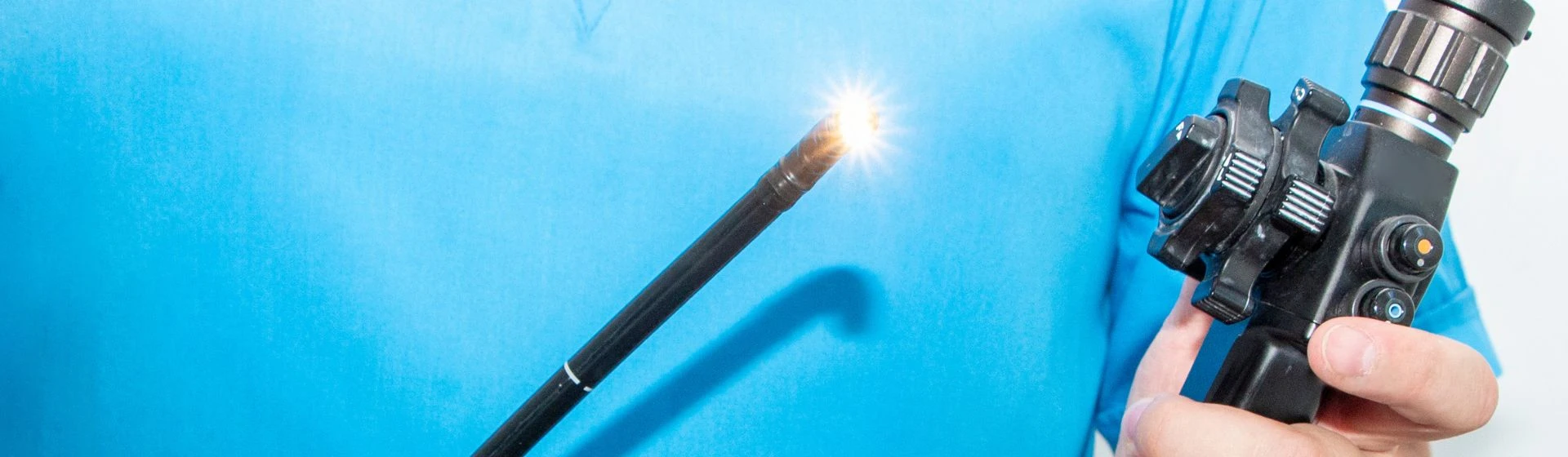
Colon polypectomy
Colon polypectomy
A polyp is the small benign tumor (growth), which is formed on the walls of the colon. Though the tumor is benign, it does not mean that it is safe for the organism, because any polyp can degenerate into a malignant tumor.
The polyps can be single or multiple, and their size can vary from several millimeters to several centimeters (in such cases they can close off the rectal lumen, disturbing the digestive process).
Symptoms of polyp formation
The danger of polyps is that in most cases, they grow, not manifesting themselves anyhow;
only in some cases, there may appear the following symptoms:


appearance of fever and chill (in case of inflammation of the polyp)
blood streaks in feces (usually bright scarlet color)
mucus in feces
frequent bowel movements
constipations

The causes for appearance of polyps were not completely identified; however, it is reliably known that the presence of chronic colitis and hypoacidity contribute to the development of polyps. The neoplasms may appear at any age, starting from early childhood to extreme old age, when the risk of their development and malignization only increases.
The polypectomy is the only effective method of polyp treatment.
Colon polypectomy at Oxford Medical Clinic
The modern effective method of removal of polyps on the thin pedicle – by using the colonoscope – is applied in the Endoscopy Department. During the colonoscopy, the doctor loops a thin wire, called a snare, around the base of the polyp. Then the loop is electrocuted, due to which the pedicle is coagulated. Such removal is called the electrocoagulation of the polyp.
Then, the removed polyp is sent for histological examination to make sure that it is benign. The procedure can be performed intentionally as well as when detecting the polyp during the diagnostic (preventive) colonoscopy.
The polypectomy can be performed while the patient is asleep, in order to avoid any possible discomfort, related to performance of the colonoscopy. However, it is not mandatory, because there are no pain receptors in the rectum.
After the polypectomy, the patient does not need hospitalization, he can return home on the same day.
The timely colon polypectomy will significantly reduce the risk of development of colorectal cancer – one of the main causes for mortality among the patients with oncological diseases. That is why the patients, older than 40 years, are recommended undergoing the diagnostic colonoscopy once a year, for timely detection and performance of polypectomy.

Our services
Endoscopy services

Sign up by the call center
Sign up by the call center
Polypectomy during colonoscopy of the II category of complexity (1-5 polyps)
6589.00 ₴
Sign up by the call center
Polypectomy during colonoscopy of the III category of complexity (1-2 polyps)
12589.00 ₴
Sign up by the call center
Polypectomy of each subsequent polyp during colonoscopy of the I category of complexity
1099.00 ₴
Sign up by the call center

4 advantages of Oxford Medical Clinic

The latest equipment – studies are conducted on the high-precision Olympus Exera II video system, which provides a clear image and high information content.
Accurate diagnosis with NBI – Narrow-band imaging (NBI) allows you to detect precancerous changes and early stages of tumors that may remain undetected during standard examination
Possibility of performing endoscopy while asleep – for maximum patient comfort, the procedure can be performed under sedation, which avoids discomfort and stress
Safety and experience of doctors – endoscopic examinations are performed by experienced endoscopists who adhere to international standards of diagnosis and treatment
Possibility of taking a biopsy and removing polyps – during the procedure, the doctor can perform additional manipulations, which reduces the need for repeated examinations
Comfortable conditions and attentive approach – modern medical offices, caring staff and an individual approach to each patient
Show more 
Our doctors

 5
5  25+
25+ Endoscopist, gastroenterologist, surgeon Highest Category
 25+ Years of experience
 Consultation 1100
 Kyiv, Sribnokilska St. 20
 4.91 21+
Endoscopist, surgeon Highest Category
21+ Years of experience Consultation 1100
Kyiv, Mykhayla Hryshka St., 1  5 29+
5 29+ Doctor-endoscopist of the I category
29+ Years of experience Consultation 1100
Kyiv, Hlybochytska St., 40x  4.38 5+
 Endoscopist of the Highest Category
5+ Years of experience Consultation 1100
Kyiv, 9 Ivana Kramskoho Street Kyiv, Hlybochytska St., 40x Reviews
Світлана 05.01.2026
Йшла на ендоскопію з великим хвилюванням, але Марія Миколаївна перед процедурою пояснила, як усе проходитиме, відповідала на запитання. Під час обстеження почувалася максимально комфортно. Після — чітко роз’яснила результат. Досвід був набагато легшим, ніж очікувала.

Світлана 29.12.2025
Проходила ендоскопічне обстеження у Шумара Віталія Ігоровича. Дуже переживала перед процедурою, але лікар з перших хвилин заспокоїв, коротко пояснив, як усе відбуватиметься. Іноді добре слово лікує! Хвилювалась даремно - обстеження пройшло легше, ніж очікувала. Дякую!
Current information

04 March 2026
20% discount on MRI
13 February 2026
20% Discount on CT Scan
05 February 2026
20% Discount on X-ray Examinations
Sign up
 in the clinic
  online

 Hello!
Let's take care
about your health:
Sign up via call center 
