

 Adults Adults Adults Adults Adults Adults Adults Adults Adults
  Children Children Children Children


 Hotline:
 Adults Adults Adults Adults Adults Adults Adults Adults Adults Children Children Children Children


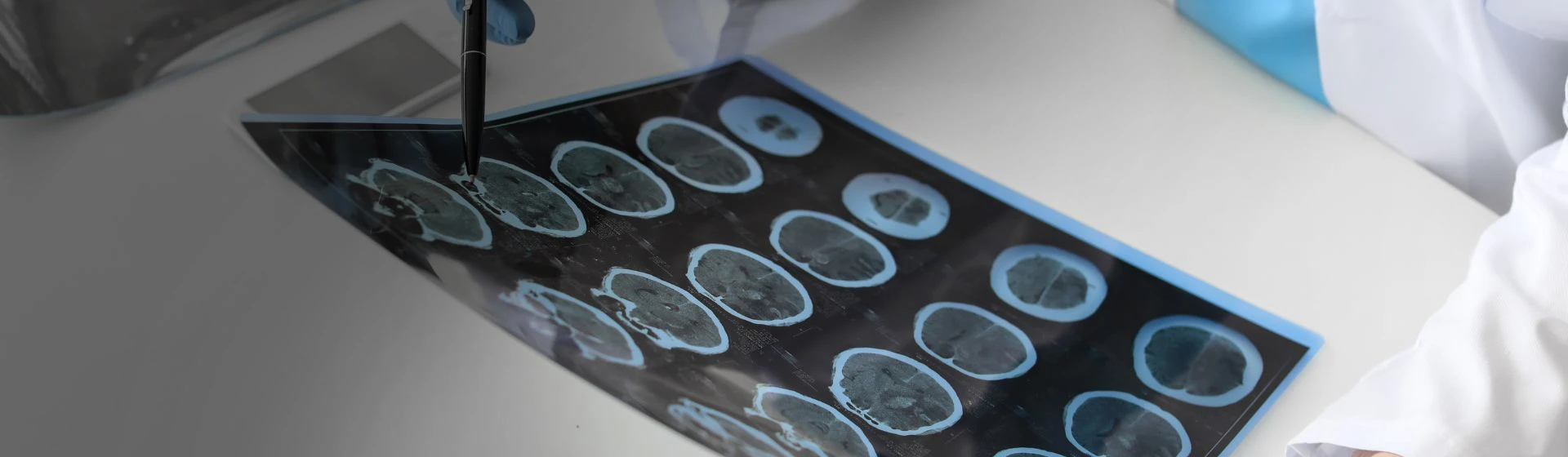
Post-stroke rehabilitation
Treatment of Stroke Aftereffects
Stroke of the brain is an acute, sudden disruption of cerebral blood flow that leads to damage or death of brain cells due to oxygen deprivation. Strokes are most commonly either ischemic (compression or blockage of blood vessels deprives brain cells of oxygen) or hemorrhagic (rupture of blood vessels and bleeding into the brain). Ischemic strokes account for 70–85% of cases, while hemorrhagic strokes occur in only 25–30%.
Why is rehabilitation after a stroke necessary?
The death of brain cells causes serious neurological impairments:
-
Motor and coordination disorders, up to paralysis;
-
Swallowing difficulties;
-
Speech impairments;
-
Cognitive disorders (problems with perception and processing of information);
-
Behavioral disturbances (previously uncharacteristic fearfulness or aggression);
-
Bowel and bladder dysfunction;
-
Psychological issues;
-
Pain syndrome.
To treat the above-mentioned stroke consequences, comprehensive rehabilitation is required, which begins immediately after the emergency stabilization of the patient’s condition.
After the patient is treated in a hospital and their condition is stabilized, rehabilitation measures must be initiated to restore the body’s functions as fully as possible. Stroke rehabilitation is prescribed individually to each patient after examination and medical history review by a neurologist, and includes a wide range of interventions.
Rehabilitation of stroke patients is a key stage in restoring lost functions, improving quality of life, and preventing complications. Post-stroke patients often face mobility issues, speech difficulties, and cognitive disorders, which is why stroke rehabilitation is aimed at restoring muscle tone, improving coordination, and regaining self-care skills. Professional rehabilitation helps patients eliminate the signs of a stroke, return to an active lifestyle, and prevent a recurrent stroke, which may have even more serious consequences.
Methods of treating stroke aftereffects
To treat the consequences of a stroke, the following methods are most commonly used:
-
Medication therapy;
-
Speech therapy;
-
Physiotherapy;
-
Reflexology;
-
Manual therapy;
-
Psychotherapy;
-
Nutritional counseling.
The necessity of treating stroke consequences is also due to the fact that it is the best prevention of recurrence. Without rehabilitation, a recurrent stroke may occur within 1–3 years and often has a fatal outcome.
The Neurology Department of the Oxford Medical Clinic — Kyiv offers treatment of stroke aftereffects by a top-category neurologist with twenty years of experience.
Rehabilitation after hemorrhagic and ischemic strokes: differences in approach
Rehabilitation approaches vary depending on the type of stroke.
-
Rehabilitation after an ischemic stroke focuses on restoring motor functions and often includes physical therapy, exercises to restore mobility and coordination.
-
Rehabilitation after a hemorrhagic stroke requires a special approach due to the risk of secondary complications, so more gentle rehabilitation methods and gradual patient activation are used.
In each case, the post-stroke rehabilitation center helps develop a program that enables the patient to achieve maximum independence in everyday life.
Speech recovery after a stroke
An important direction is speech recovery after a stroke, since speech impairments affect the ability to communicate daily and adapt socially. Neurologists and other doctors at Oxford Medical work on restoring speech skills, helping patients improve articulation and speech comprehension. This process is gradual, requires an individual approach and regular sessions, but it allows a return to normal life.
The importance of preventing a second stroke
Post-stroke condition requires constant monitoring. Recurrence prevention is crucial, as the consequences of a second stroke can be extremely severe. Doctors at Oxford Medical develop individual prevention programs for each patient, which include recommendations on proper nutrition, physical activity, blood pressure control, and regular intake of prescribed medications.
Advantages of restorative stroke treatment at Oxford Medical Clinic
At Oxford Medical, treatment of patients who have suffered a stroke is carried out by a team of experienced specialists. Thanks to this and the modern technical equipment, our patients receive medical care that meets the highest quality standards.
Key advantages of treatment at Oxford Medical:
-
Equipped with new medical devices;
-
Team of specialists with many years of experience;
-
High-tech therapeutic and surgical inpatient facility;
-
Intensive care unit with equipment for monitoring and maintaining vital body functions.
Schedule a consultation with a neurologist at Oxford Medical to receive help overcoming stroke aftereffects and return to an active life under the supervision of a professional team.
Cost of stroke aftereffect treatment at Oxford Medical Clinic
The cost may vary depending on the patient’s individual needs, stroke type, necessity for certain procedures, and the scope of other services included in the treatment program.
You can review the prices in advance here. The doctor will provide more detailed information about available options, the program, and the cost of rehabilitation during the initial consultation. Book your appointment at a convenient time by phone or through the online chat on the website.


Advantages of the neurology department at «Oxford Medical» in Kyiv

Experienced doctors. All neurologists have extensive clinical experience and continually improve their qualifications.
Modern diagnostics. We use precise diagnostic methods to establish diagnoses.
Comprehensive approach. Consultations with related specialists and required examinations are available in the clinic.
Day hospital treatment option. Patients can receive infusions and monitoring on-site if needed.

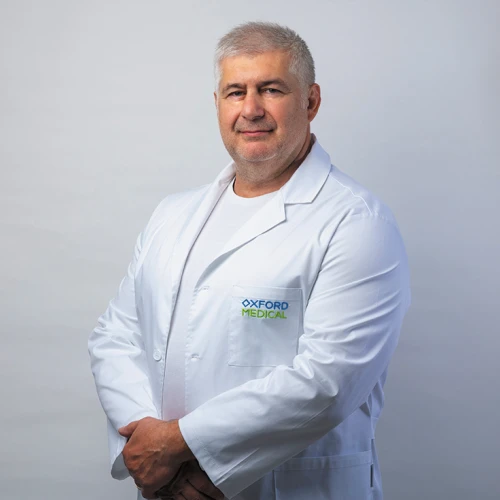
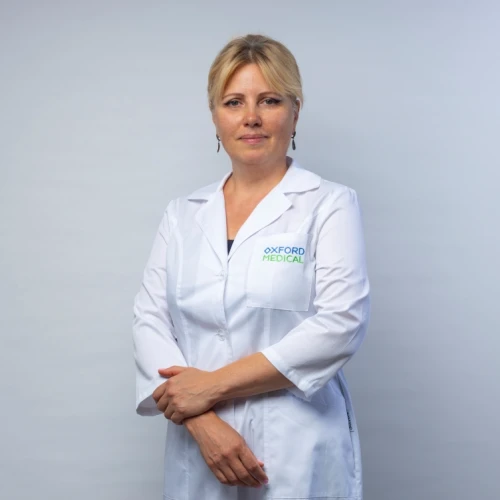
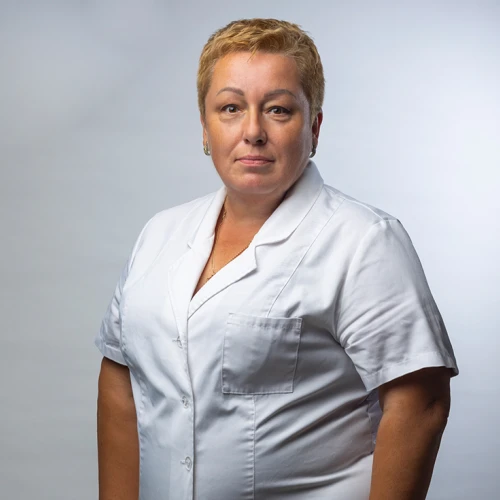
Our doctors
 4.91
4.91  26+
26+ 
 26+ Years of experience
  Kyiv, Hlybochytska St., 40x Kyiv, Vasyl Lypkivskoho St., 38
 4.83 28+
  4.88 26+
  4.94 34+ 34+ Years of experience Kyiv, Hlybochytska St., 40x





 in the clinic
  online

 Hello!
Let's take care
about your health:

