

 Adults Adults Adults Adults Adults Adults Adults Adults Adults
  Children Children Children Children


 Hotline:
 Adults Adults Adults Adults Adults Adults Adults Adults Adults Children Children Children Children



Spinal osteochondrosis treatment
Treatment of osteochondrosis
Osteochondrosis is a process of slow degeneration of the intervertebral discs, which leads to their destruction and is accompanied by acute back pain. This disease can begin developing as early as adolescence, progressing over a lifetime and becoming more complicated with new symptoms.
Symptoms of osteochondrosis
Depending on its location, osteochondrosis can be:
-
cervical;
-
thoracic;
-
lumbar.
In each case, the symptoms differ slightly. With cervical osteochondrosis, the following symptoms appear:
-
cracking of the vertebrae in the cervical spine;
-
dizziness;
-
headache;
-
flickering “flies” before the eyes;
-
impaired vision;
-
reduced hearing acuity, ringing in the ears;
-
pain in the shoulders and arms;
-
numbness in the hands.
Thoracic osteochondrosis is characterized by:
-
pain and discomfort behind the sternum;
-
pain between the shoulder blades when raising the arms;
-
occasional loss of consciousness;
-
attacks of sharp pain accompanied by a feeling of shortness of breath;
-
persistent aching pain in the chest that gradually increases.
Symptoms of lumbar osteochondrosis include:
-
dull and/or sharp pain in the lower back;
-
pain radiating to the sacrum, pelvis, and legs;
-
increased pain during movement;
-
weakness in the legs;
-
reduced mobility;
-
sensory disturbances;
-
urinary disorders.
In acute osteochondrosis, the symptoms are more pronounced than in chronic cases. They can first appear at any age, including a rather young one. The disease is often diagnosed in pregnant women when the load on the spine increases.
It is important to note that the symptoms of osteochondrosis are nonspecific. They are also typical of many other diseases, so only a doctor can make an accurate diagnosis after performing diagnostics.
Causes of osteochondrosis
The widespread occurrence of osteochondrosis is due to the large number of factors that can provoke it:
-
excessive physical exertion;
-
obesity;
-
injuries;
-
excess weight;
-
metabolic disorders;
-
poor environmental conditions;
-
congenital predisposition.
Untimely treatment of osteochondrosis can lead to a number of complications: protrusion (displacement of the intervertebral disc) and herniation.
Diagnosis of osteochondrosis
During a consultation, the doctor first examines the patient, listens to complaints, and reviews the medical history. To clarify the diagnosis, the doctor may prescribe:
-
X-ray;
-
CT scan;
-
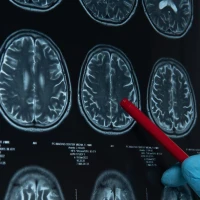
MRI;
-
vascular ultrasound and, if necessary, other tests.
Stages of osteochondrosis
Depending on the damage to the bone tissues and intervertebral discs, there are 4 degrees of osteochondrosis:
-
Stage 1 – the patient may have protrusions, but there are no symptoms;
-
Stage 2 – the elasticity of the intervertebral discs decreases, their height is reduced, and periodic back pain occurs;
-
Stage 3 – hernias develop, and the patient often suffers from severe pain;
-
Stage 4 – the intervertebral discs no longer perform their cushioning functions, which leads to the destruction of spinal bone tissue.
Since the disease damages the discs, osteochondrosis is often referred to as intervertebral.
Treatment of osteochondrosis at Oxford Medical
A comprehensive therapy is carried out for osteochondrosis. The treatment program depends on the stage of the disease, the presence and severity of symptoms, as well as other individual characteristics of the patient.
In acute osteochondrosis, the primary goals are to relieve pain and relax the muscles, whereas in chronic osteochondrosis, the focus is on slowing the pathological process and improving overall well-being.
The following methods are used to treat osteochondrosis:
-
medication therapy;
-
physiotherapy procedures;
-
massage;
-
therapeutic exercise.
The course of treatment may last from several weeks to several months. It is very important to complete the entire course, despite the rapid relief of pain and improvement of well-being. Restoring mobility and achieving stable remission requires more time and regular implementation of the procedures prescribed by the doctor.
To schedule a consultation with a specialist at Oxford Medical, call our contact center or write in the chat on the website.


Advantages of the neurology department at «Oxford Medical» in Kyiv

Experienced doctors. All neurologists have extensive clinical experience and continually improve their qualifications.
Modern diagnostics. We use precise diagnostic methods to establish diagnoses.
Comprehensive approach. Consultations with related specialists and required examinations are available in the clinic.
Day hospital treatment option. Patients can receive infusions and monitoring on-site if needed.

Our doctors

 4.91
4.91  26+
26+ 
 26+ Years of experience
  Kyiv, Hlybochytska St., 40x Kyiv, Vasyl Lypkivskoho St., 38
 4.83 28+
  4.88 26+
  4.94 34+ 34+ Years of experience Kyiv, Hlybochytska St., 40x





 in the clinic
  online

 Hello!
Let's take care
about your health:

