Sign up via call center
Department
Stenting in the private clinic Oxford Medical Kyiv

Stenting

Stenting in Kyiv

Stenting is a modern minimally invasive operation, during which a thin mesh frame is placed inside the vessel. It supports the vessel walls and prevents them from narrowing, which ensures the restoration and preservation of normal blood flow.

At Oxford Medical, stenting is performed endovascularly under angiography or X-ray control. This approach allows all manipulations to be performed with only one puncture. Due to this:

  • the operation can be performed under local anesthesia;
  • the risk of complications is reduced compared to open access operations;
  • the hospitalization period is from 1 to 3 days;
  • rehabilitation is quick and easy.

Oxford Medical doctors have many years of experience in performing endovascular operations. Many have completed training and internships in vascular surgery with the best Ukrainian and foreign specialists. Thanks to this, as well as the availability of new equipment in the clinic, every patient can count on accurate diagnostics and receiving high-quality medical care.

When is stenting prescribed?

When is stenting prescribed?

Stenting is one of the stages of treatment for narrowing or blockage of the arteries. In most cases, it is combined with angioplasty - first the vessel is widened, and then a stent is installed to prevent the pathology from developing again. Sometimes, on the contrary, a stent is first inserted, and then it is expanded using a balloon (this procedure is called balloon angioplasty).

Angioplasty with stenting of peripheral arteries is performed in the case of:

  • obliterating atherosclerosis of the lower extremities;
  • peripheral arterial thrombosis;
  • stenosis or occlusion of the iliac, femoral artery, lower leg arteries or upper extremities;
  • critical ischemia of the lower extremities;
  • diabetic angiopathy;
  • diabetic foot syndrome.

Stenting is also performed in case of narrowing of the carotid and coronary arteries.

In each case, the decision on the need for surgery is made individually. Vascular surgeons study the patient's examination results and medical history, after which they select the optimal treatment method. In the early stages, conservative therapy may be used, while in severe forms of the disease and the development of complications, more complex operations may be required, such as open endarterectomy or bypass surgery.

Styptomes of diseases,
which are accompanied by circulatory disorders

The above diseases are accompanied by circulatory disorders and may manifest as:

leg pain when walking and at rest

feeling cold in the legs, decreased sensitivity, numbness

intermittent claudication (pain, difficulty walking)

development of trophic ulcers, gangrene

List of diseases

Preparation for stenting

Before surgery, the patient is prescribed a comprehensive examination. It may include:

  • Dopplerography of the vessels of the legs;

  • CT angiography;

  • electrocardiography (ECG);

  • echocardiography (ultrasound of the heart);

  • tests and other examinations as indicated.

Consultations with an anesthesiologist and doctors of other specialties may also be required. It is imperative to coordinate the intake of medications with specialists. In a few days, drugs that reduce the risk of thrombosis may be prescribed.

Stenting, like other operations, is performed on an empty stomach. At least 8 hours should pass after eating, and fluid intake - 1-2. At least 2-3 days before hospitalization, you should refuse to drink alcoholic beverages.

How is stenting performed?

Most often, stenting is performed under local anesthesia, that is, the patient remains conscious at all times, but does not feel pain or discomfort. Sometimes general anesthesia may be used. The choice of anesthesia method depends on the patient's health, the complexity of the planned operation, and other individual characteristics.

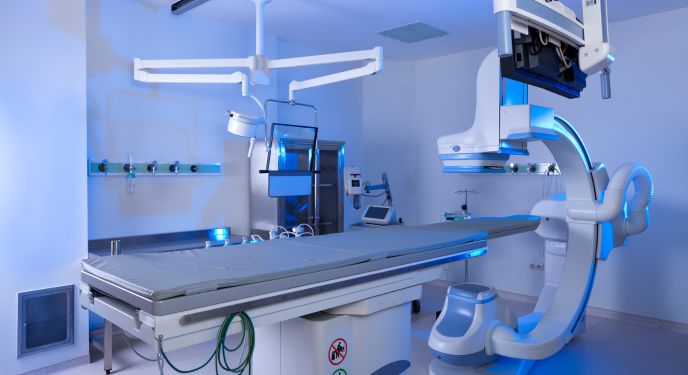
After anesthesia, the vascular surgeon makes a small incision (most often in the groin area) and inserts a thin, flexible tube called a catheter into the artery. A contrast agent is injected through it, which provides better visualization. The operation is performed under the control of angiographic equipment. It allows the surgeon to determine exactly where and to what extent the artery is narrowed, and to perform all manipulations with maximum care and accuracy.

Quite often, stenting is combined with balloon angioplasty. Depending on the indications, the features of the procedure may differ slightly. In some cases, the vessel is first expanded using an inflatable balloon, and then a stent is installed. In others, on the contrary, a stent is inserted first, and then a balloon. When expanded, it presses the stent against the walls of the vessel, ensuring the most tight fit.

A stent is a small mesh tube made of special metal alloys. The stent supports the walls of the artery and prevents it from narrowing again, which ensures the preservation of normal blood flow and reduces the risk of relapse. In atherosclerosis, stents with a drug coating are sometimes used, the active substances of which prevent the formation of atherosclerotic plaques.

After the stent is installed, blood flow is checked, after which the catheter is removed, stitches and a tight bandage are applied to the puncture site of the artery.

How is stenting performed?

Rehabilitation after stenting

From 12 to 18 hours after stenting of the arteries of the lower extremities, the patient must adhere to bed rest. At this time, a tight bandage is applied to the puncture site. It helps prevent bleeding and the development of a hematoma.

The next day, the surgeon examines the patient and removes the tight bandage. If the wound has healed and the patient feels well, he is discharged. In more complex cases, hospitalization is 3 days.

After discharge, the patient is recommended to:

  • take medications prescribed by the doctor;
  • avoid heavy physical exertion, visiting the pool, bathhouse or sauna, and not take a hot bath;
  • refrain from drinking alcoholic beverages;
  • keep your legs slightly elevated when lying down;
  • wear compression hosiery (as prescribed by the doctor);
  • be examined by a vascular surgeon every 3-6 months.

Contraindications and possible complications of stenting

Stenting is an endovascular operation performed using advanced technologies. It has a significantly lower risk of complications compared to open access operations.

Potential complications include:

  • bleeding at the puncture site – for prevention, a tight bandage is applied and bed rest is prescribed for 12-18 hours;
  • blood clot formation – to reduce the risk, antithrombotic drugs are prescribed before and after the operation;
  • allergy to the contrast medium – to rule it out, allergy tests can be done beforehand;
  • damage to the vessel during the operation – in this regard, balloon angioplasty and stenting are not performed on vessels with a diameter of less than 1.5 mm.

Contraindications to the operation are:

  • atherosclerosis of a long section of the artery;
  • blood clotting disorders;
  • allergy to iodine (contained in the contrast medium);
  • severe concomitant diseases (the decision to operate is made individually).

At Oxford Medical, vascular surgeries are performed by vascular surgeons with many years of experience, using the latest equipment. Thanks to this, as well as compliance with international protocols, high efficiency and safety of treatment are ensured. In case of complications that cannot be completely ruled out even with careful preparation, the clinic is equipped with intensive care units with equipment to monitor and support all vital body functions.

Carotid and peripheral artery stenting: price at the Oxford Medical clinic

The cost of stenting can vary. It depends on:

  • the need for simultaneous angioplasty;

  • the type of stent (selected individually);

  • the method of anesthesia and the duration of hospitalization.

«Oxford Medical» has a modern high-tech surgery department. It is equipped with new expert-class equipment that allows for the most accurate diagnosis and to perform endovascular and open operations on vessels of any complexity.

You can find out the prices of vascular operations here, but only a surgeon can provide more accurate information on the cost issue, having studied the results of examinations and medical history. Sign up for a consultation at a time convenient for you.

Answers to popular questions about stenting

What is coronary artery stenting?

Coronary artery stenting is a minimally invasive procedure that is performed without incisions. A flexible catheter is inserted through a puncture into the artery, through which a stent, a thin mesh tube, is inserted. It strengthens the walls of the artery and prevents it from narrowing, which ensures the preservation of normal blood flow.

What is coronary angiography and coronary artery stenting?

Coronary angiography is an X-ray examination of the coronary arteries using a contrast agent. It is performed if there is a suspicion of narrowing or blockage of the arteries. If the diagnosis is confirmed, angioplasty and coronary stenting are performed. The narrowed artery is widened, and then a stent is placed. It prevents re-narrowing and ensures the preservation of normal blood flow.

( Rating: 4.75 , Votes: 81 )
Our services
Consultations
Consultation with a vascular surgeon
1100.00 ₴
Add Added
Consultation with a leading vascular surgeon
1989.00 ₴
Add Added

Advantages of stenting at Oxford Medical

High professionalism and many years of experience of surgeons

New equipment for diagnostics and minimally invasive surgeries

Installation of only high-quality stents, which are individually selected for each patient

Use of individual consumables, which guarantees complete sterility

Availability of intensive care (resuscitation) wards in the clinic

Comfortable single and double hotel-type rooms with meals

Our doctors

Voytsitskyi Serhiy Yuriyovych
4.93
rating (15)
12+
Years of experience
Online consultation
Vascular surgeon of the first category
12+ Years of experience
Consultation 1100
Kyiv, Hlybochytska St., 40x
Make an appointment
Doctor at the private clinic Oxford Medical Kyiv
3.93
rating (14)
Vascular surgeon
Consultation 1100
Make an appointment
Denisyuk Roksolyana Petrovna
4.75
rating (8)
6+
Years of experience
Online consultation
Vascular surgeon
6+ Years of experience
Consultation 1100
Kyiv, Yevgen Malanyuk Street, 101
Kyiv, st. Bereznyakivska, 30b
Make an appointment
Balinska Marianna Ivanovna
5
rating (12)
17+
Years of experience
Vascular surgeon
17+ Years of experience
Consultation 1100
Make an appointment
All doctors
Reviews
Валентина 15.12.2025
Дмитро Павлович дуже уважний і спокійний лікар. На консультації все детально пояснив, розповів про можливі варіанти лікування й заспокоїв, коли я хвилювалася. Дякую за підтримку та чіткі рекомендації.
Star Star Star Star Star
Ірина 04.12.2025
Звернулася до Дмитра Павловича через набряк і дискомфорт у нозі. Лікар провів огляд, пояснив, що може бути причиною, та запропонував план лікування. Уже за кілька днів ситуація помітно покращилася. Відчувається впевненість і досвід. Дуже вдячна за уважне ставлення.
Star Star Star Star Star
Current information
All Articles
Sign up
in the clinic
online
This site is protected by reCAPTCHA technology, and the Google Privacy Policy and Terms of Service apply.
Hello!
Let's take care
about your health:
Sign up via call center

We use cookies and other technologies to remember your preferences and find out exactly how you use and interact with the site.

By using our site, you also agree to the terms of the "User Agreement" and "Regulation on the processing and protection of personal data". By clicking "I AGREE", you consent to the processing of your data.