


Contents:
- What Is Ozempic
- How Ozempic Works in the Body
- Ozempic for Weight Loss: Why Weight Decreases
- Indications for the Use of Ozempic
- How to Inject Ozempic Correctly: Dosage and Administration Schedule
- Why It Is Dangerous to Inject Ozempic Without a Doctor’s Prescription
- Side Effects and Risks of Use
- What Happens After Stopping Ozempic
Losing weight without strict diets and exhausting workouts is the desire of many people struggling with excess weight. That is why in recent years Ozempic has become one of the most discussed medications in this topic.
On social media and in the media, stories about rapid weight loss during its use are often seen. Because of this, many people get the impression that the medication can easily solve the problem of extra kilograms. However, there are many myths and contradictory information around Ozempic, and its use requires a balanced approach.
It is important to understand that any medication that affects appetite and metabolism has not only potential benefits but also certain contraindications and side effects. Therefore, before starting treatment, it is necessary to assess the state of health and make sure that this method of weight correction is truly appropriate.
In this article, we will look at what Ozempic is, how it works, and who it may be recommended for. We will also discuss possible side effects and what happens after stopping the medication.
What Is Ozempic
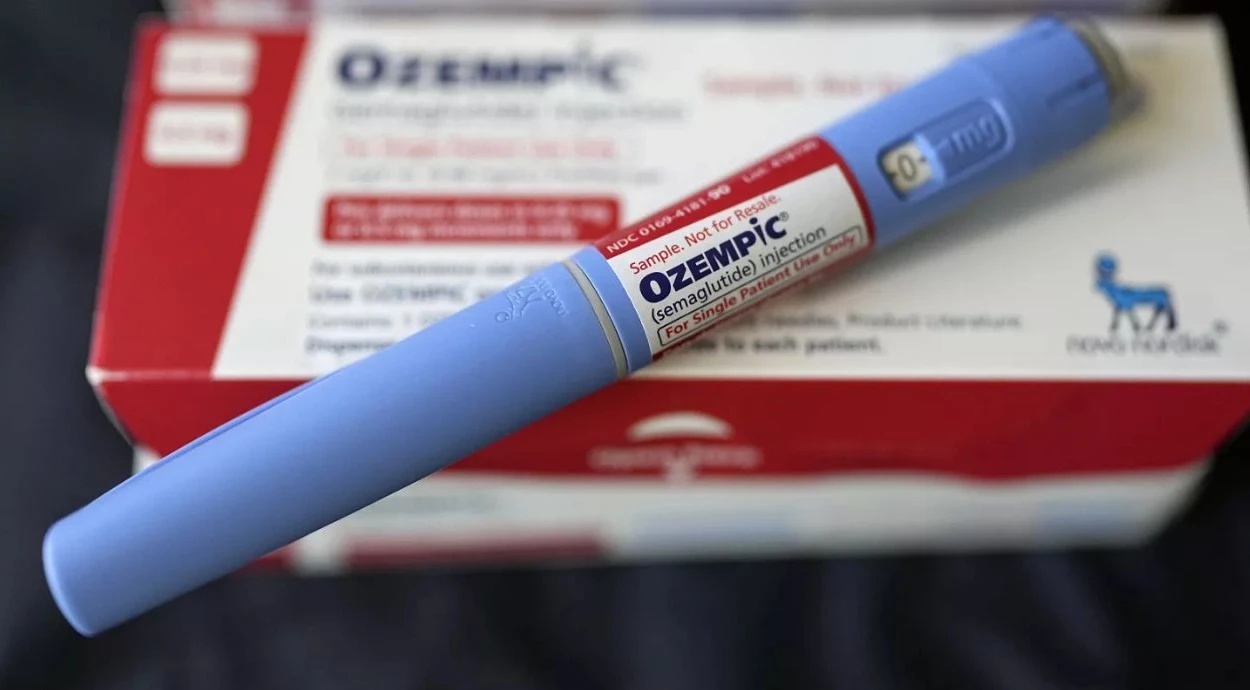
Ozempic — is a medication whose active substance is semaglutide. It belongs to the group of glucagon-like peptide-1 (GLP-1) receptor agonists and was originally developed for the treatment of diabetes mellitus type 2. According to European Medicines Agency (EMA), semaglutide helps control blood glucose levels and is used as part of complex therapy for type 2 diabetes mellitus.
In recent years, Ozempic has gained wide popularity not only among people with diabetes mellitus. During the STEP 1 clinical trial, the results of which were published in The New England Journal of Medicine, it was found that semaglutide combined with lifestyle changes may contribute to significant weight loss in people with excess weight and obesity. It was after the publication of these data that the medication began to be actively discussed in the context of fighting extra kilograms.
Doctors at Oxford Medical note: it is important to understand that Ozempic is not a universal weight loss remedy and is not suitable for everyone without exception. The decision to prescribe it should be made after consultation with a doctor and assessment of possible health risks.
How Ozempic Works in the Body
The active substance of the medication — semaglutide — imitates the action of the GLP-1 hormone, which is naturally produced in the intestine after eating. This hormone is involved in the regulation of blood glucose levels, appetite, and the feeling of fullness.
After the medication is administered, the body begins to maintain the feeling of fullness for longer. A person becomes full faster, feels hungry less often between meals, and finds it easier to control portion size. In addition, semaglutide slows gastric emptying, which means food remains in the digestive tract longer, and the feeling of fullness lasts for a longer period.
The medication also affects appetite centers in the brain. According to National Institutes of Health (NIH), GLP-1 receptor agonists help reduce the feeling of hunger and food cravings, which may contribute to reducing the daily calorie content of the diet.
Doctors at Oxford Medical explain: Ozempic does not “burn fat” directly and does not speed up metabolism. The main effect of the medication is related to reducing appetite and changing eating behavior, making it easier for a person to maintain a calorie deficit and gradually lose weight.
Ozempic for Weight Loss: Why Weight Decreases
.jpg)
Weight loss during the use of Ozempic is the result of a long-term reduction in calorie intake. When a person receives less energy from food than they expend over a long period, the body begins to use its own fat reserves as a source of energy.
According to the results of the STEP 1 trial, published in The New England Journal of Medicine, participants with excess weight and obesity who received semaglutide combined with lifestyle changes lost an average of about 15% of their initial body weight over 68 weeks.
However, the result depends not only on the medication. The speed and degree of weight loss may be influenced by age, initial body weight, level of physical activity, eating habits, the presence of comorbidities, and metabolic features.
Doctors at Oxford Medical emphasize that the medication does not replace a healthy lifestyle. The best results are usually achieved by combining drug therapy, balanced nutrition, and regular physical activity.
Indications for the Use of Ozempic
Ozempic is not intended for all people who want to get rid of excess weight. The medication has specific medical indications, so the decision to use it should be made individually after an examination and consultation with an endocrinologist.
A doctor may recommend the medication in the following cases:
- type 2 diabetes mellitus with insufficient control of glucose levels;
- excess weight combined with comorbidities;
- high risk of cardiovascular complications in patients with type 2 diabetes mellitus;
- insufficient effectiveness of diet and physical activity for achieving the target body weight.
Before starting therapy, it is important to determine the causes of weight gain. In some cases, excess weight may be associated with diseases of the endocrine system or may occur against the background of hormonal imbalance. In such a situation, treatment should primarily be aimed at eliminating the underlying cause, rather than fighting extra kilograms.
How to Inject Ozempic Correctly: Dosage and Administration Schedule
.jpg)
The Ozempic administration schedule is always selected individually. The dosage depends on the treatment goal, health condition, presence of comorbidities, and the body’s response to the medication. Therefore, treatment should be prescribed and monitored by an endocrinologist.
Many patients are interested in how to inject Ozempic. The medication is injected subcutaneously once a week into the abdomen, thigh, or upper arm. It is advisable to give injections on the same day of the week.
Usually, treatment begins with the minimum dose, after which the doctor may gradually increase it. This approach helps reduce the risk of adverse reactions and improve the tolerability of the medication.
Doctors at Oxford Medical warn: it is not recommended to change the dosage, frequency of administration, or start use without consulting a specialist. This may reduce the effectiveness of treatment and increase the risk of side effects.
Why It Is Dangerous to Inject Ozempic Without a Doctor’s Prescription
Ozempic is a prescription medication, so its use should take place only as prescribed by a doctor. Self-use may be dangerous due to the risk of incorrect dosage selection, the presence of contraindications, and delayed detection of adverse reactions.
The main risks of self-treatment:
- incorrect choice of medication dose;
- use in the presence of contraindications;
- development of adverse reactions without medical supervision;
- self-increasing the dose for faster weight loss;
- use of the medication without the necessary examination;
- combining Ozempic with other medications without consulting a doctor.
Before prescribing therapy, the doctor assesses the patient’s general health condition and, if necessary, orders additional examinations. For example, to rule out thyroid diseases, thyroid ultrasound and laboratory diagnostics may be required.
Doctors at Oxford Medical recommend not starting weight loss injections on your own, even if acquaintances use them or there are many positive reviews about them on social media. The safety and appropriateness of treatment should always be assessed individually.
Side Effects and Risks of Use
Like any medication, Ozempic can cause adverse reactions. Most often, they occur at the beginning of treatment or after increasing the dose and, in most cases, gradually decrease as the body adapts. The most common side effects of Ozempic are related to the function of the gastrointestinal tract.
Ozempic — consequences and side effects:
- nausea;
- vomiting;
- pain or discomfort in the abdomen;
- constipation;
- diarrhea;
- bloating;
- decreased appetite.
In rare cases, more serious complications may occur, so during treatment it is important to remain under a doctor’s supervision and report any unusual symptoms. Severe or prolonged abdominal pain, pronounced dehydration due to vomiting or digestive disorders, as well as other symptoms that significantly worsen well-being, require special attention.
That is why before starting therapy it is important to discuss possible risks with a doctor, and during treatment to follow the recommended medication administration schedule. This helps increase the safety of treatment and adjust therapy in a timely manner if necessary.
What Happens After Stopping Ozempic
.jpg)
One of the most common questions from patients is whether the weight will return after stopping the medication. There is no definite answer, because the result depends on lifestyle, eating habits, and the causes of weight gain.
During treatment, many people consume less food due to reduced appetite. After stopping the medication, this effect gradually decreases, so the feeling of hunger may return to its usual level. If a person returns to their previous eating pattern and does not maintain physical activity, there is a risk of regaining weight.
According to a study published in JAMA Network Open, after stopping semaglutide use, part of the lost body weight may gradually return. That is why specialists consider weight control to be a long-term process, not a temporary course of treatment.
Doctors at Oxford Medical recommend forming healthy eating habits and maintaining regular physical activity during therapy. This helps better preserve the achieved result after completing treatment and reduces the risk of regaining weight.
When assessing the possible benefits and consequences of taking Ozempic, it is important to remember that safe and effective weight loss always requires a comprehensive approach that takes into account the individual characteristics of the body and the person’s health condition.
The information in the article is provided for informational purposes and is not an instruction for self-diagnosis or self-treatment. If symptoms of a disease appear, you should consult a doctor.
Sources:
European Medicines Agency (EMA)