


Contents:
- What tampons are and their types
- How to use tampons correctly
- At what age tampons can be used
- How often tampons should be changed
- Common mistakes when using tampons
- Risks of incorrect tampon use
- Gynecologist’s recommendations for safe tampon use
Tampons can be a convenient hygiene product during menstruation, but it is important to choose and use them correctly. This affects not only comfort, but also health.
Many girls and women wonder how to use tampons correctly, at what age they can be used, how to insert them properly, how often they should be changed, and whether it is safe to sleep or swim with them. These are completely natural questions, because proper use helps make menstruation more comfortable and reduces the risk of possible complications.
We collected the most common questions that patients ask gynecologists during appointments and asked Oxford Medical specialists to provide clear answers. In this article, you will find practical recommendations on choosing and using tampons, as well as learn which mistakes should be avoided.
What tampons are and their types
.jpg)
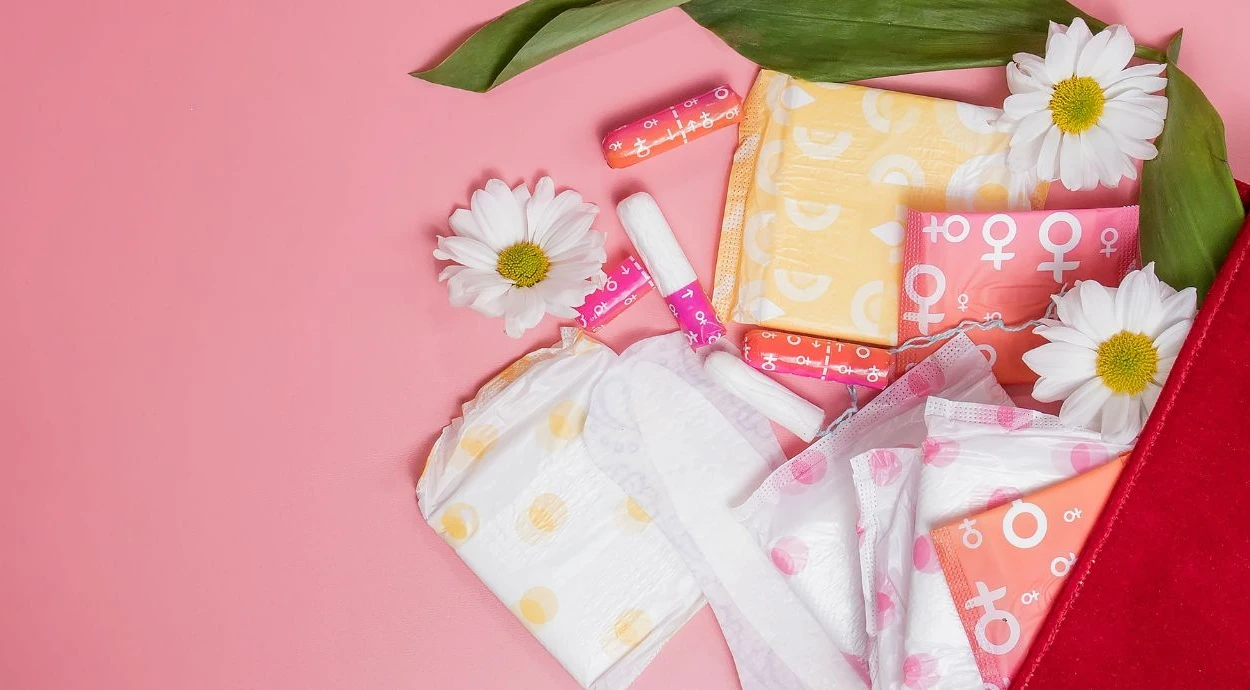
Tampons are intimate hygiene products used during menstruation. They are made mainly of cotton, viscose, or a combination of these materials and are inserted into the vagina, where they absorb menstrual flow. When used correctly, these products are safe and do not affect reproductive health.
Modern tampons differ in size, absorbency level, and method of insertion. A properly selected product provides comfort, reduces the risk of leaks, and is easy to remove without unpleasant sensations.
| Criterion | Types |
| By absorbency level | Mini, Normal, Super, Super Plus |
| By insertion method | with an applicator or without an applicator |
| By material | cotton, viscose, or a combination of them |
The absorbency level is usually marked with droplets on the package. The more droplets there are, the greater the volume of menstrual flow the hygiene product can absorb. At the same time, this does not mean that the maximum absorbency level should always be chosen.
Doctors at Oxford Medical recommend choosing a product according to the intensity of menstrual flow on a specific day of the cycle. Using a product with excessively high absorbency without need may cause dryness of the mucous membrane and discomfort.
How to use tampons correctly
Using tampons is not difficult, but it is important to follow several rules. They concern choosing the product, correct insertion, and timely replacement. This helps make use comfortable and reduces the risk of unwanted consequences.
How to choose tampons
Before starting to use a hygiene product, it is important to choose its size and absorbency level correctly. Manufacturers usually mark them with droplets or the words Mini, Normal, Super, or Super Plus.
You should focus on the intensity of menstrual flow:
| Label | Number of droplets | When suitable |
| Mini | 2 | Light flow, first attempts at use |
| Normal | 3 | Moderate flow |
| Super | 4 | Heavy flow |
| Super Plus | 5–6 | Very heavy flow |
You should not use a product with higher absorbency "just in case". It should correspond to the amount of menstrual flow on a specific day of the cycle.
How to use tampons for the first time
The first experience often causes anxiety, but in most cases, after several attempts, the procedure becomes familiar. It is best to start on one of the days when menstrual flow is moderate or fairly heavy, as this makes insertion easier.
For first use, it is recommended to choose a Mini or Normal size product. Before insertion, you should wash your hands, take a comfortable position, and relax the pelvic floor muscles as much as possible.
You should not apply force or try to insert the product if you feel significant resistance or pain. In this situation, it is better to pause, relax again, and try later.
How to insert a tampon: step-by-step instructions
.jpg)
Many women worry about how to insert a tampon correctly, but the procedure itself is quite simple and takes only a few minutes.
Follow this sequence:
-
Wash your hands thoroughly.
-
Remove the individual packaging.
-
Take a comfortable position: squatting, standing with one foot raised, or sitting on the toilet.
-
Gently separate the labia.
-
Insert the product at a slight angle toward the lower back, not vertically upward.
-
Push it in deep enough so that it is not felt during movement.
-
Make sure the removal string remains outside.
If after insertion there is a feeling of a foreign body or discomfort, the product is most likely positioned insufficiently deep. In this case, it is better to replace it with a new one.
Tampons with an applicator: how to use them
Some tampons are produced with a special plastic or cardboard applicator that makes insertion easier and helps position the product correctly inside the vagina. That is why they are often recommended for girls who are using them for the first time.
Before use, you should wash your hands and remove the packaging. Then gently insert the tip of the applicator into the vagina and smoothly press its movable part — it will push the product inside. After that, the applicator should be carefully removed. The removal string must remain outside.
If the product is inserted correctly, it is not felt while walking, sitting, or doing other everyday activities. If discomfort occurs, it is most likely positioned insufficiently deep, so it is better to replace it with a new one.
At what age tampons can be used
Tampons can be used from the onset of menstruation. Age itself is not a restriction — the main thing is to choose the correct product size and follow the recommendations for its use.
If a girl plans to use these products for the first time, it is worth having a gynecologist consultation. During the appointment, the specialist will perform an examination and assess the state of health, as well as explain how to use intimate hygiene products correctly.
Can tampons be used at the age of 13?
Yes, they can be used at the age of 13 and even earlier if menstruation has already started. For first use, Mini or Normal size products are usually recommended, as they are intended for light or moderate menstrual flow.
Can virgins use tampons?
Yes, girls who have not had sexual contact can also use these products. In most cases, a properly selected tampon does not damage the hymen. It has sufficient elasticity, as well as a natural opening for menstrual flow to pass through, so using small tampons is usually safe.
How often tampons should be changed
The product must be changed regularly. The frequency depends on the intensity of menstruation. In the first days, when there is more flow, the hygiene product may need to be changed more often. At the end of menstruation, when the flow decreases, the interval between changes usually increases. If the product becomes saturated quickly, it is better to choose a higher absorbency level rather than use it longer than recommended.
How long can a tampon be worn safely?
According to the American College of Obstetricians and Gynecologists, a tampon should be changed at least every 4–8 hours. This time should not be exceeded, even if menstrual flow is light.
Prolonged use of the same product creates favorable conditions for bacterial growth. In rare cases, this may lead to the development of toxic shock syndrome — a dangerous complication that requires urgent medical care.
Doctors at Oxford Medical warn: if sudden fever, rash, vomiting, dizziness, or headache occurs after using a tampon, it must be removed immediately and medical attention should be sought as soon as possible.
Can you sleep with a tampon?
Yes, you can, if the total time of use does not exceed 8 hours. For example, it can be inserted immediately before sleep and removed right after waking up.
If sleep usually lasts longer or there is no certainty that the product will be changed on time, it is better to use a pad at night. This helps reduce the risk of complications.
Can you swim with a tampon?
Yes, you can swim with a tampon in open bodies of water. It helps prevent menstrual flow from entering the water and provides comfort while swimming. At the same time, this product does not protect against infections that may be present in bodies of water.
After swimming, it is recommended to replace it with a new one. While in water, the product may partially absorb water, which reduces its effectiveness and makes further use less hygienic. This simple rule helps maintain proper intimate hygiene and reduces the risk of unwanted consequences.
Common mistakes when using tampons
Most often, women make the following mistakes:
-
choose a product with too high an absorbency level for light menstrual flow;
-
do not change it on time;
-
insert it insufficiently deep, which causes discomfort while walking or sitting;
-
continue using tampons in the last days of menstruation, when there is no longer enough flow for comfortable use;
-
use a product with damaged or already opened packaging;
-
do not wash their hands before insertion and after removal.
If pain, pronounced discomfort, or other unusual symptoms still occur after correct insertion of the product, these manifestations should not be ignored — it is better to consult a gynecologist to determine their cause.
Risks of incorrect tampon use
When used correctly, tampons are a safe intimate hygiene product. However, failure to follow recommendations for their replacement, choice, or use may increase the risk of developing certain complications.
Possible consequences of incorrect use include:
-
irritation of the vaginal mucous membrane;
-
microtrauma during insertion or removal;
-
disruption of the natural balance of vaginal microflora;
-
vaginal candidiasis in women prone to disruption of vaginal microflora;
-
development of toxic shock syndrome with prolonged use of one tampon without replacement.
Doctors at Oxford Medical note: it is important to understand that these complications occur rarely and are most often associated specifically with failure to follow the rules of use, not with tampon use itself. If after their use pain, an unpleasant odor, unusual discharge, itching, fever, or other alarming symptoms appear, it is necessary to stop using the product and consult a doctor. After the examination, the gynecologist may prescribe laboratory tests, swabs, or ultrasound of the pelvic organs if it is necessary to rule out an inflammatory process or other gynecological causes of the complaints.
Gynecologist’s recommendations for safe tampon use
.jpg)
Using tampons is not difficult, and several simple recommendations will help make their use as comfortable and safe as possible.
Doctors at Oxford Medical recommend:
-
choosing the absorbency level according to the intensity of menstrual flow;
-
changing the product every 4–8 hours;
-
always washing hands before insertion and after removal;
-
using only one tampon at a time;
-
replacing the used product with a new one after swimming;
-
not using it outside menstruation;
-
not using products with damaged packaging or after the expiration date;
-
stopping use and consulting a doctor if pain, pronounced discomfort, unusual discharge, or other alarming symptoms appear.
Even if there are no complaints, women are advised to undergo a regular gynecological check-up. Preventive examinations help monitor reproductive health.
The information in this article is provided for informational purposes and is not an instruction for self-diagnosis or treatment. If symptoms of a disease appear, you should consult a doctor.
Sources:
American College of Obstetricians and Gynecologists