


bouts of coughing, which may appear during laughing, crying, deep breaths etc
Sign up via call center 
 Adults Adults Adults Adults Adults Adults Adults Adults Adults
  Children Children Children Children
Department
Adults Outpatient department
Adults Outpatient department
Inpatient department
Adults Inpatient department
Aesthetic medicine
Adults Aesthetic medicine
Dentistry
Adults Dentistry
Plastic surgery
Adults Plastic surgery
Diagnostics
Adults Diagnostics
Analyzes
Adults Analyzes
Outbound services
Adults Outbound services
Children Outpatient department
Children Outpatient department
Dentistry
Children Dentistry
Diagnostics
Children Diagnostics

Kyiv


 Hotline:
 Request a call:


Department
Adults Outpatient department
Adults Outpatient department
Inpatient department
Adults Inpatient department
Aesthetic medicine
Adults Aesthetic medicine
Dentistry
Adults Dentistry
Plastic surgery
Adults Plastic surgery
Diagnostics
Adults Diagnostics
Analyzes
Adults Analyzes
Outbound services
Adults Outbound services
Children Outpatient department
Children Outpatient department
Dentistry
Children Dentistry
Diagnostics
Children Diagnostics

Treatment of tracheitis
Treatment of tracheitis
A tracheitis is the inflammation of the mucous membrane of trachea, caused by infections or impact of irritating agents; that is why the smokers and people, who stay in the dust- and smoke-laden air for long time, are often susceptible to it.
If the treatment is incorrect and untimely, the inflammation can spread over the bronchi or lungs, causing the bronchitis or pneumonia.
Causes of tracheitis
The tracheitis is usually a consequence of the infection, which affected other sections of the respiratory system, and it develops on the background of frequent runny nose and sore throat. However, the lengthy stay in closed, dusty rooms with dry air causes development of the tracheitis, because such conditions are ideal for dissemination of microorganisms.
In addition, the tracheitis is caused by:
- hypothermia;
- weakened immune system;
- presence of foreign body in the trachea.
Diagnosis and treatment of tracheitis
The physician or family doctor administers treatment of tracheitis. During the session, he auscultates the patient by using the stethoscope, listens to his complaints, studies his medical record and, if necessary, orders examinations.
In case of suspicion of the tracheitis, the doctor can recommend taking the blood test, pharyngeal and nasal swab, sputum culture test etc. After establishing a final diagnosis, the doctor prescribes treatment.
The treatment course depends on the causes of the disease, and can include antibiotics, antiviral preparations, anti-inflammatory medications and vitamins. If you have a dry cough, the doctor can prescribe expectorant preparations for expectoration. To speed up the process of recovery, the doctor can prescribe vitamins, inhalations, ozone therapy and other recovery procedures.
The patient may take any medications only if prescribed by the doctor. The self-medication of tracheitis is often not only ineffective, but also dangerous for health, especially – in case of uncontrolled applications of antibiotics. Because if the disease has viral nature, then the antibacterial drugs will be ineffective, and their use will negatively affect the microflora of the intestine and will create excess load on the liver.
That is why if you have noticed the first symptoms of the tracheitis, you should better not wait for complications, delaying your visit to the doctor, and you can make appointment to the family doctor of Oxford Medical clinic.
Symptoms of tracheitis
The lengthy bouts of dry cough without expectoration are the characteristic feature of the tracheitis.
The tracheitis can be acute and chronic.
The acute tracheitis can be detected upon the presence of such signs:


sore throat
hoarse voice, difficulty breathing
runny nose
body temperature rise (especially in the evening)
throat irritation, hoarseness
general weakness, sickliness

If the acute tracheitis is treated untimely or incorrectly, it develops into chronic. The chronic form is accompanied by the development of atrophic changes in patient’s trachea; that is why if such symptoms appear, you need to visit the doctor as soon as possible.

Services of the Family Doctor Department

Consultation with a general practitioner or family doctor
1100.00 ₴
Add Added 

Advantages of the family medicine department at Oxford Medical in Kyiv

Comprehensive care in one place. The clinic offers lab tests, ultrasound, X-ray, and specialist consultations in one location.
Doctor home visits. The family doctor can visit patients within Kyiv and nearby suburbs (up to 30 km from the city).
Clinics in various districts. Branches operate in Pozniaky, Osokorky, Obolon, Pechersk, Podil, Solomianskyi, and other areas.
Convenient appointment schedule without queues. You can book a visit at a convenient time, including evenings and weekends.
Show more 
Our doctors
 4.94
4.94  8+
8+ 
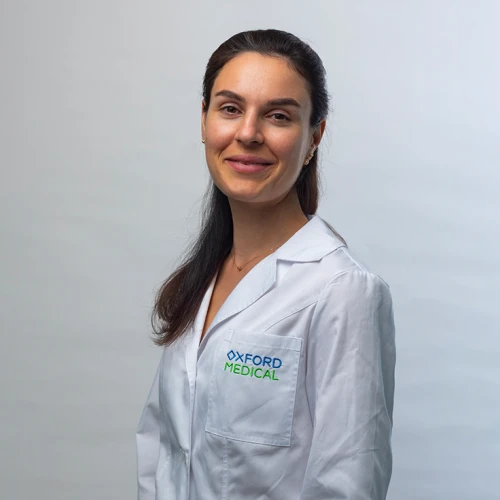
Gastroenterologist, family doctor of the II category
 8+ Years of experience
 Consultation 1100
 m. Irpin vul. University, 2/1, building 3
 4.72 5+
 Therapist, Ultrasound Diagnostics Specialist
5+ Years of experience Consultation 1100
Kyiv, Yevgen Malanyuk Street, 101 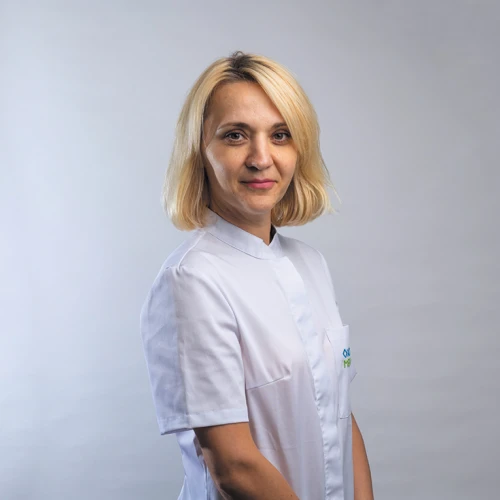 5 10+
5 10+ Physician, endocrinologist
10+ Years of experience Consultation 1100
Kyiv, Knyaziv Ostrozkyh St., 46/2  4.57 18+
 Therapist. Head of the therapeutic department of the inpatient clinic
18+ Years of experience Consultation 1989
Kyiv, st. Bereznyakivska, 30b Reviews
Марія 16.03.2026
Я щиро вдячна долі за те, що колись потрапила саме до Любові Миколаївни Нікуровської. Це той рідкісний випадок, коли лікар — не просто спеціаліст, а людина, якій по-справжньому довіряєш. Вона дуже уважна, чуйна і завжди відчуваєш, що їй не байдуже, як ти себе почуваєш. Пані Любов завжди не лише слухає, а й чує мене, а також запитує про ті симптоми, які я забуваю озвучити або вважаю несуттєвими (а вони виявляються важливими). Вона пояснює все спокійно й зрозуміло, підтримує і знаходить саме ті рішення, які справді працюють для мене. Вона постійно розвивається, слідкує за новими дослідженнями й підбирає сучасне, продумане лікування. Після кожного прийому виходжу з відчуттям спокою і впевненості, що я в надійних руках. Я дуже ціную її професіоналізм, теплоту і людяність. Люблю свою лікарку і щиро рекомендую усім, хто шукає найкращого лікаря-терапевта у Києві.

Дмитро 05.01.2026
Для мене сімейний лікар — це той, до кого можна прийти без страху і зайвого напруження. Саме таке враження залишила Вікторія Олексіївна. Спілкування просте й відкрите, без формальностей. Отримав чіткі відповіді на свої запитання і зрозумів, як діяти далі. Дуже комфортний лікар для постійного спостереження.
Current information

19 March 2026
Who is a hematologist and what does he treat?

18 March 2026
How to properly give an injection in the buttock: doctor’s advice
12 March 2026
Which Doctor Treats the Liver

09 March 2026
Causes of shortness of breath: what to do when it is hard to breathe
Sign up
 in the clinic
  online

 Hello!
Let's take care
about your health:
Sign up via call center 
