

 Adults Adults Adults Adults Adults Adults Adults Adults Adults
  Children Children Children Children


 Hotline:
 Adults Adults Adults Adults Adults Adults Adults Adults Adults Children Children Children Children


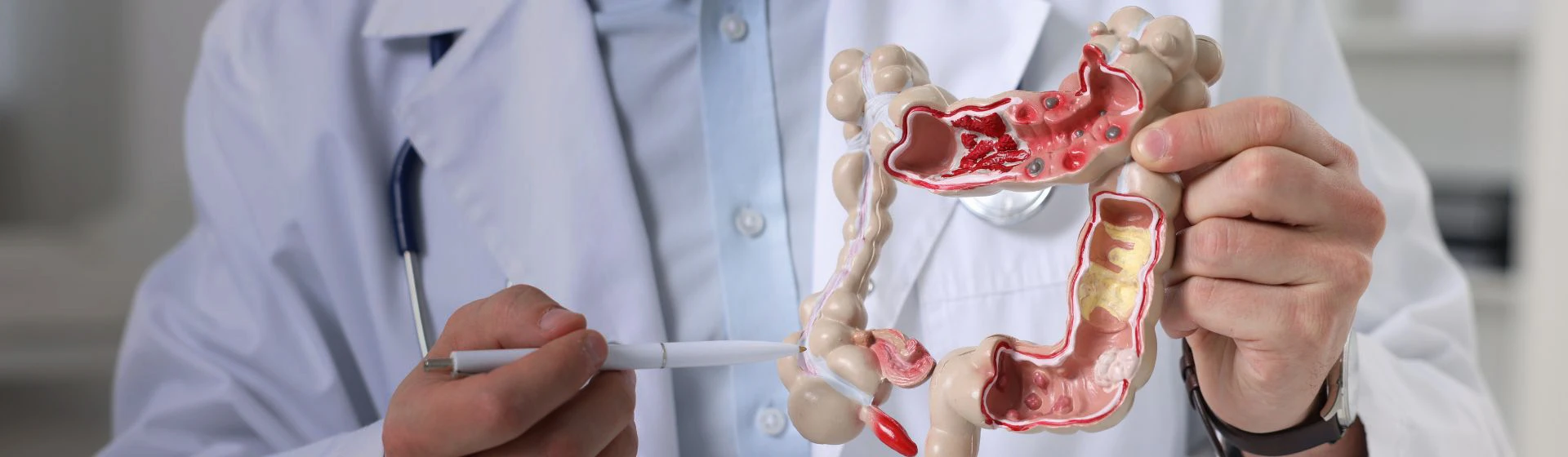
Treatment of intestinal
dyskinesia
Treatment of Intestinal
Intestinal dyskinesia is a disorder of the motor function of the intestinal tract (particularly the colon), which is not caused by organic lesions and is accompanied by pain, changes in bowel movements, and, in some cases, excessive mucus secretion.
Causes of Colon Dyskinesia
-
Conflicts and stress;
-
Improper diet and disrupted eating regimen;
-
VSD (vegetative-vascular dystonia);
-
Neurotic disorders;
-
Hereditary predisposition;
-
Certain gynecological disorders;
-
Hormonal imbalance;
-
Endocrine system disorders.
Symptoms of Intestinal Dyskinesia:
-
Abdominal pain;
-
Severe nausea, belching, heaviness in the abdomen (signs of ulcerative dyskinesia);
-
Bowel movement disorders;
-
Flatulence;
-
Nervous system disorders.
Abdominal pain may be stabbing, pulling, sharp, cutting, or aching. The duration may range from a few minutes to several hours. Often, it is impossible to determine the exact location of the pain. A characteristic feature of intestinal dyskinesia is the disappearance of pain symptoms at night, when the person is asleep, as well as after passing gas or bowel movements. Pain may intensify during meals, after eating, and in stressful situations.
Abdominal pain is accompanied by stool disturbances (most often constipation), abdominal bloating, and rumbling. Constipation is sometimes replaced by short episodes of diarrhea. However, even with frequent diarrhea, a person suffering from this disorder does not lose weight — in fact, they may even gain weight. Patients are often prone to depression, increased anxiety, or nervousness.
Diagnosis of Intestinal Dyskinesia
At the Oxford Medical clinic, identifying the cause of intestinal dyskinesia is based on medical history and such examinations as:
-
Colonoscopy;
-
Abdominal ultrasound;
-
General and biochemical blood tests;
-
Stool analysis.
Treatment of Intestinal Dyskinesia at Oxford Medical
At Oxford Medical, you will receive comprehensive treatment that includes medication, dietary recommendations, and lifestyle adjustments.
If necessary, a psychotherapist and endocrinologist are involved in the treatment process, and accompanying gastrointestinal diseases are treated. During additional examinations, diseases of the thyroid gland and other endocrine organs may also be detected.
Advantages of the Oxford Medical Clinic:
-
Highly qualified doctors with extensive experience;
-
Advanced modern equipment for diagnostics and treatment;
-
An individualized treatment plan tailored to the specific needs of each patient;
-
A comprehensive diagnostic process including colonoscopy, ultrasound diagnostics, and gastroscopy;
-
Guarantee of complete recovery provided that the doctor’s recommendations are strictly followed.


Advantages of the Department of Gastroenterology at Oxford Medical

The latest diagnostic technologies that allow you to obtain the most accurate results;
Appointment of a course of modern drug therapy using high-quality drugs;
Performing minimally invasive or endoscopic surgery using advanced technology (if necessary);
Individual selection of a comprehensive treatment course for each patient.

Our doctors

 5
5  22+
22+ 
 22+ Years of experience
  Kyiv, Hlybochytska St., 40x
 4.93 22+ 22+ Years of experience Kyiv, 9 Ivana Kramskoho Street
  4.94 8+ 8+ Years of experience m. Irpin vul. University, 2/1, building 3
  4.91 13+ 13+ Years of experience Kyiv, Mykhayla Hryshka St., 1




 in the clinic
  online

 Hello!
Let's take care
about your health:

