

 Adults Adults Adults Adults Adults Adults Adults Adults Adults
  Children Children Children Children


 Hotline:
 Adults Adults Adults Adults Adults Adults Adults Adults Adults Children Children Children Children



Treatment of neurosis
Treatment of neuroses
Neurosis is a psychoemotional disorder accompanied by disturbances in the functioning of the nervous system. It can manifest as a combination of various psychological and physiological symptoms. In the early stages, these symptoms are almost unnoticeable, but without timely treatment and lifestyle correction, neuroses can lead to significant deterioration in well-being and problems in the social sphere.
At Oxford Medical, the treatment of neuroses is provided by experienced neurologists. These are disorders that can be completely cured — the main thing is to seek professional help in time.
Causes of neuroses
The main causes of neuroses are considered to be:
-
psychological trauma (loss of a loved one, war, accident, etc.);
-
chronic stress;
-
prolonged psychoemotional, intellectual, or physical overstrain;
-
autoimmune diseases;
-
hormonal disorders;
-
alcohol abuse, etc.
A leading role in the development of neuroses is played by the individual's psychophysiological characteristics. People with a labile psyche, prone to suspiciousness, increased anxiety, sensitivity to others’ opinions, and difficulty adapting to changing life circumstances are most susceptible to such disorders.
Symptoms of neuroses
Neurotic disorders can manifest in different ways, so it's often difficult to identify the problem independently. Symptoms are often mild at first but tend to intensify over time.
Manifestations of neurosis may include:
-
phobias and panic attacks;
-
increased anxiety;
-
obsessive thoughts;
-
sudden mood swings;
-
irritability and aggression;
-
sensitivity, tearfulness;
-
indecisiveness;
-
apathy;
-
emotional fixation on problems;
-
low or inadequately high self-esteem;
-
decreased concentration, memory deterioration;
-
sleep disorders, insomnia, daytime sleepiness;
-
increased sensitivity to loud sounds and bright light, etc.
The psychoemotional disturbances caused by neurosis affect not only the person’s internal state but also their behavior in the family and society, as well as their work ability. Some types of neuroses manifest as obsessive thoughts that can push a person toward destructive actions.
In addition to psychological manifestations, neuroses are often accompanied by physiological symptoms. Patients may be concerned about:
-
rapid heartbeat;
-
changes in blood pressure;
-
dizziness;
-
headaches;
-
stuttering;
-
hand tremors;
-
nausea and vomiting;
-
discomfort, abdominal pain;
-
diarrhea;
-
urinary incontinence (enuresis);
-
shortness of breath, feeling of suffocation;
-
excessive sweating;
-
decreased libido;
-
skin rashes;
-
overeating or food refusal, etc.
Neurosis manifestations often cause discomfort not only to the patient but also to their family members. Often, loved ones are the first to notice the emergence of the problem and changes in the person’s behavior.
Types of neuroses
Depending on the manifestations, the following types of neuroses are distinguished:
-
Neurasthenia – accompanied by fatigue, irritability, dizziness, insomnia, and gastrointestinal disorders. It mainly manifests as difficulties in communicating with strangers, fear of groups, and may lead to social isolation.
-
Psychasthenia, or obsessive-compulsive neurosis – manifests as increased anxiety, suspiciousness, and fears. To cope, a person invents personal rituals they strictly follow in everyday life.
-
Phobia – an individual experiences an inexplicable panic fear of certain objects, living beings, or events.
-
Post-traumatic neurosis – develops in people who have experienced severe psychological trauma and is accompanied by anxiety, fear, confusion, shame, isolation, etc.
-
Repetition neurosis – manifests as the transfer of unresolved conflicts into the present and an unrealistic assessment of new situations.
-
Hysterical neurosis – expressed by sharp mood swings, fits of laughter or crying.
-
Depressive neurosis – accompanied by loss of life meaning, apathy, and a depressed mood.
-
Hypochondriacal neurosis – manifests as excessive concern for one’s health and constant search for symptoms of various diseases.
Only a specialist can determine whether the patient has a neurosis and identify its type.
Diagnosis of neuroses
Neuroses are treated by neurologists, so when typical symptoms appear, it is essential to consult a doctor of this specialty.
The consultation begins with a conversation — the specialist asks about the patient's symptoms and medical history. Then a physical examination and a series of neurological tests are conducted.
For more precise diagnosis, the doctor may prescribe:
-
electrocardiogram (ECG);
-
electroencephalogram (EEG);
-
Doppler ultrasound of the brain vessels;
-
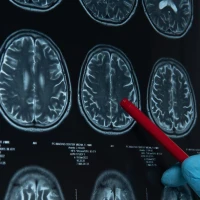
computed tomography (CT) or magnetic resonance imaging (MRI) of the brain;
-
ultrasound of internal organs;
-
laboratory tests.
To clarify the diagnosis, consultations with doctors of other specialties may also be required.
Methods of treating neuroses
An individual treatment program is developed for each patient, taking into account the type of disorder, the severity of symptoms, and the presence of physiological disturbances. In most cases, a comprehensive approach is used, including:
-
psychotherapeutic treatment;
-
medication therapy;
-
physiotherapy procedures.
Psychotherapy plays a leading role in the treatment of neuroses. It helps relieve the symptoms of the disorder and restore a normal psychoemotional state. To work through and eliminate the root cause of neurosis, systemic, cognitive, psychodynamic psychotherapy, and gestalt therapy are used. For symptom management, behavioral and body-oriented therapy, hypnosis, art therapy, and breathing exercises are highly effective.
Psychotherapeutic treatment typically lasts several months or more. During this period, patients are also advised to change their lifestyle to reduce stress and mental and physical strain.
To enhance the treatment's effectiveness, patients may also be prescribed physiotherapy procedures: therapeutic massage, cryotherapy, magnetotherapy, electrophoresis, and others.
As for medication therapy, it is not used in all cases — only if there are clear indications. The patient may be prescribed muscle relaxants, sedatives, antidepressants, vitamins, etc.


Advantages of the neurology department at «Oxford Medical» in Kyiv

Experienced doctors. All neurologists have extensive clinical experience and continually improve their qualifications.
Modern diagnostics. We use precise diagnostic methods to establish diagnoses.
Comprehensive approach. Consultations with related specialists and required examinations are available in the clinic.
Day hospital treatment option. Patients can receive infusions and monitoring on-site if needed.

Our doctors

 4.91
4.91  26+
26+ 
 26+ Years of experience
  Kyiv, Hlybochytska St., 40x Kyiv, Vasyl Lypkivskoho St., 38
 4.83 28+
  4.88 26+
  4.94 34+ 34+ Years of experience Kyiv, Hlybochytska St., 40x





 in the clinic
  online

 Hello!
Let's take care
about your health:

