

 Adults Adults Adults Adults Adults Adults Adults Adults Adults
  Children Children Children Children


 Hotline:
 Adults Adults Adults Adults Adults Adults Adults Adults Adults Children Children Children Children



Sleep disorders treatment
Sleep disorder treatment
Healthy sleep is a basic human need, on par with food and water. Sleep disorders not only cause discomfort in daily life, but may also be signs of serious illnesses. Occasional episodes of insomnia happen to everyone — this can occur when a person experiences significant emotional stress during the day. However, if insomnia has become a regular problem for you, it’s a sign that it’s time to see a doctor.
Types and causes of sleep disorders
Among the most common sleep disorders are:
-
insomnia (sleeplessness);
-
constant drowsiness;
-
poor-quality sleep that does not provide rest.
Almost everyone has faced insomnia at some point, as it can be triggered by many factors:
-
stress, neuroses;
-
mental disorders;
-
poisoning;
-
taking medications or alcohol before bed;
-
traumatic brain injuries;
-
bronchial asthma.
That is why, instead of taking sleeping pills, it is better to consult a doctor and address the root cause of the problem.
Signs of sleep disorders
Patients with sleep disorders often complain that they:
-
cannot fall asleep for a long time;
-
frequently wake up during the night;
-
wake up early in the morning;
-
do not feel rested;
-
experience daytime drowsiness.
Diagnostic methods for sleep disorders
First of all, it is recommended to consult a family doctor or therapist. The specialist will review the complaints and medical history, then determine which examinations need to be conducted.
Usually, general clinical diagnostics are prescribed first: blood and urine tests, an ECG, and an ultrasound of the thyroid gland and other organs.
If there are specific indications, a consultation with a neurologist, endocrinologist, psychotherapist, somnologist, or another specialist may be required.
To assess sleep disorders, the following examinations may also be needed:
-
actigraphy – assessment of the frequency and number of movements during sleep, conducted using a small portable device;
-
polysomnography – a comprehensive sleep study that includes monitoring ECG, EEG (electroencephalography), breathing rate, motor activity, and more.
An individual diagnostic program is created for each patient, taking into account the present symptoms, chronic diseases, and so on.
Treatment of sleep disorders
To treat sleep disorders, it is first important to identify their causes. The doctor will examine the patient, analyze their complaints, and, if necessary, recommend diagnostic examinations. The doctor will also advise on proper nutrition and help develop a healthy daily routine to prevent sleep disorders.
If sleep disorders are caused by neurological conditions — neuroses, stress, or panic attacks — neurologists at the “Oxford Medical” clinic will help treat them.
If necessary, patients can consult with related specialists at the clinic. For example, if insomnia is caused by dysfunctions of certain organs, diagnostic procedures can be performed at the clinic: thyroid ultrasound, hormone tests, ECG, and so on.
If you struggle to fall asleep, sleep poorly, or frequently wake up at night and then fall asleep during the day — you should see a doctor.


Advantages of the neurology department at «Oxford Medical» in Kyiv

Experienced doctors. All neurologists have extensive clinical experience and continually improve their qualifications.
Modern diagnostics. We use precise diagnostic methods to establish diagnoses.
Comprehensive approach. Consultations with related specialists and required examinations are available in the clinic.
Day hospital treatment option. Patients can receive infusions and monitoring on-site if needed.

Our doctors
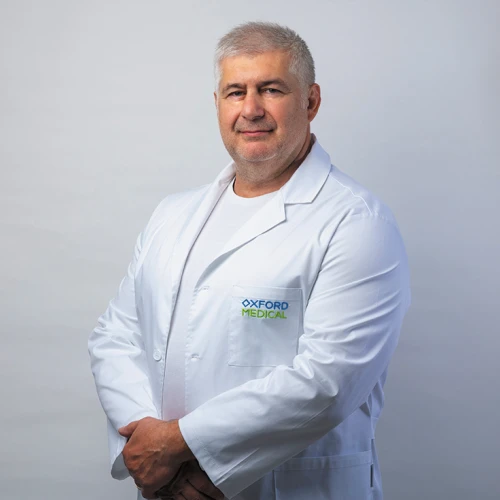
 4.91
4.91  26+
26+ 
 26+ Years of experience
  Kyiv, Hlybochytska St., 40x Kyiv, Vasyl Lypkivskoho St., 38
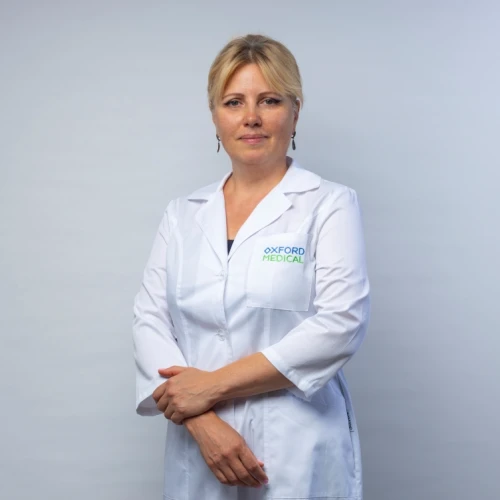 4.83 28+
 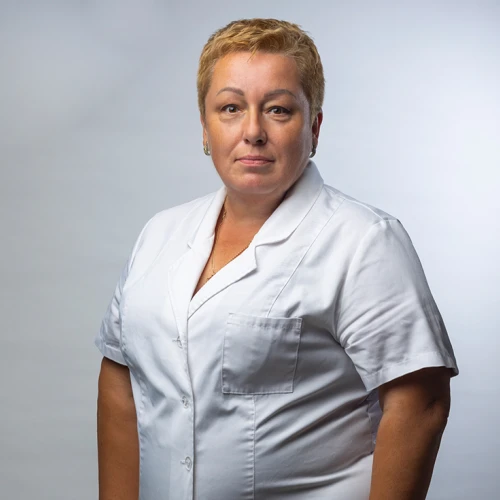 4.88 26+
 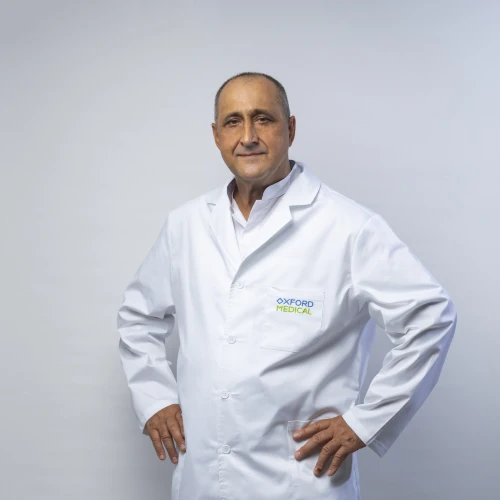 4.94 34+ 34+ Years of experience Kyiv, Hlybochytska St., 40x





 in the clinic
  online

 Hello!
Let's take care
about your health:

