

 Adults Adults Adults Adults Adults Adults Adults Adults Adults
  Children Children Children Children


 Hotline:
 Adults Adults Adults Adults Adults Adults Adults Adults Adults Children Children Children Children


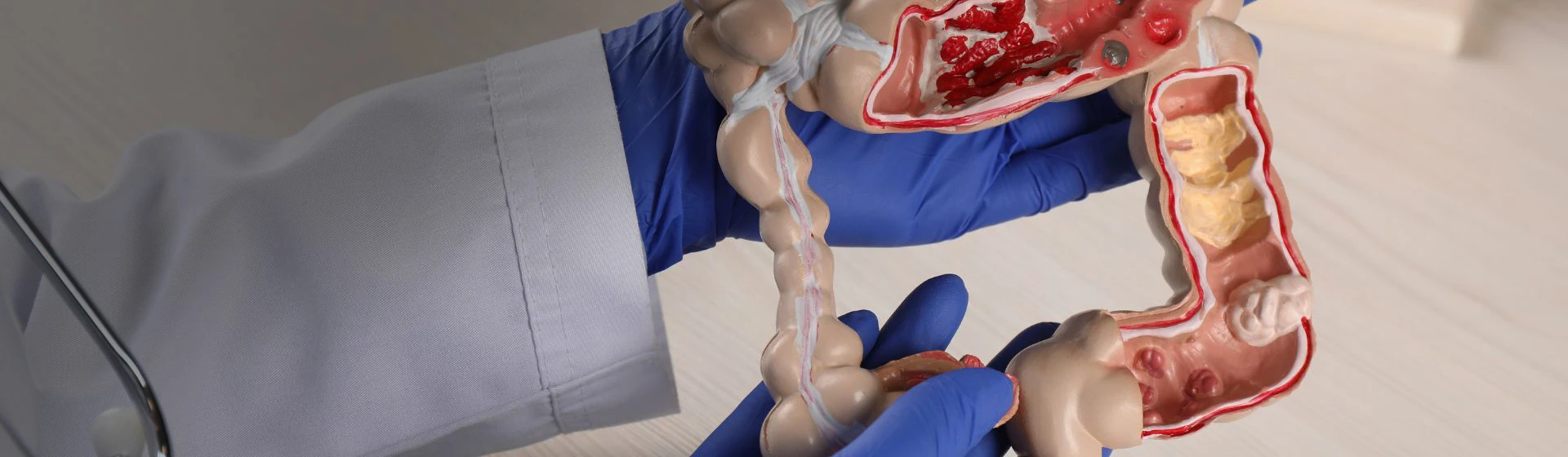
Treatment of dyskinesia of the stomach and duodenum
Treatment of Gastric and Duodenal Dyskinesia
Gastric and duodenal dyskinesia is a disorder of the motor and/or evacuatory function of the stomach and duodenum, accompanied by either prolonged or shortened retention of food in these organs.
Causes of Gastrointestinal Dyskinesia
The causes of gastric and duodenal dyskinesia may include: stressful situations, improper eating habits, eating too quickly without proper chewing, excessive consumption of carbohydrates, lack of protein, microelements, and vitamins, exposure to toxins (alcohol, smoking), as well as damage to the central and autonomic nervous systems (during intake of certain medications). Dyskinesia caused by such external factors is called exogenous. There is also an endogenous type, which arises due to pathologies of other organs:
-
peptic ulcers;
-
diseases of the biliary tract;
-
parasitic diseases;
-
thrombosis of the gastric vessels;
-
peritonitis;
-
pneumonia;
-
myocardial infarction.
Symptoms of Gastrointestinal Dyskinesia
The main symptoms of dyskinesia include: pain, heaviness, a feeling of fullness in the epigastric area, hiccups, heartburn, sour belching, vomiting of greenish fluid, and dull pain under the sternum. At the same time, no organic changes can be detected during endoscopy and histological examination. This is due to the fact that in most cases the symptoms are associated with psychological trauma and stress.
Methods of Treatment and Prevention of Gastric and Duodenal Dyskinesia
In the treatment of gastric dyskinesia, probing is initially performed to empty the stomach. This is followed by drainage, which is maintained until full recovery of stomach function. The main goal of treatment is to identify and treat the underlying condition that caused the dyskinesia. To combat dehydration, IV infusions may be used. Stimulation of peristalsis (in case of gastric atony) and improvement of muscle tone are also carried out. Psychotherapeutic support and sedative medications have a positive effect.
Prevention of dyskinesia involves timely treatment of gastrointestinal diseases. It is also necessary to avoid stressful situations, maintain a proper work-rest balance, and eat a healthy diet.
Diagnosis and Treatment of Gastric Dyskinesia at Oxford Medical Clinic
At the Oxford Medical clinic, an endoscopic examination method is used. During treatment, the patient receives dietary and nutritional recommendations. Drug therapy for the gastrointestinal tract is prescribed.
The treatment process for gastric dyskinesia takes place in a day hospital and includes antispasmodic therapy and impact on the nervous system's conductivity. In severe cases, surgical intervention is prescribed.
The high level of professionalism and service quality at Oxford Medical is ensured by the following factors:
-
many years of experience among specialists;
-
high-quality diagnostics using expert-class equipment;
-
an individual approach to each patient and treatment based on the specific functioning of their body;
-
the use of the latest and most effective medications in drug therapy.
You can book an appointment with the gastroenterology department of the Oxford Medical clinic by phone or through the form on the website.


Advantages of the Department of Gastroenterology at Oxford Medical

The latest diagnostic technologies that allow you to obtain the most accurate results;
Appointment of a course of modern drug therapy using high-quality drugs;
Performing minimally invasive or endoscopic surgery using advanced technology (if necessary);
Individual selection of a comprehensive treatment course for each patient.

Our doctors

 5
5  22+
22+ 
 22+ Years of experience
  Kyiv, Hlybochytska St., 40x
 4.93 22+ 22+ Years of experience Kyiv, 9 Ivana Kramskoho Street
  4.94 8+ 8+ Years of experience m. Irpin vul. University, 2/1, building 3
  4.91 13+ 13+ Years of experience Kyiv, Mykhayla Hryshka St., 1




 in the clinic
  online

 Hello!
Let's take care
about your health:

