


Cholecystitis is an inflammatory disease of the gallbladder, which is accompanied by a violation of the outflow of bile produced in it. It can occur in acute and chronic forms, which are characterized by alternating periods of exacerbation and remission.
Sign up via call center 
 Adults Adults Adults Adults Adults Adults Adults Adults Adults
  Children Children Children Children
Department
Adults Outpatient department
Adults Outpatient department
Inpatient department
Adults Inpatient department
Aesthetic medicine
Adults Aesthetic medicine
Dentistry
Adults Dentistry
Plastic surgery
Adults Plastic surgery
Diagnostics
Adults Diagnostics
Analyzes
Adults Analyzes
Outbound services
Adults Outbound services
Children Outpatient department
Children Outpatient department
Dentistry
Children Dentistry
Diagnostics
Children Diagnostics

Kyiv


 Hotline:
 Request a call:


Department
Adults Outpatient department
Adults Outpatient department
Inpatient department
Adults Inpatient department
Aesthetic medicine
Adults Aesthetic medicine
Dentistry
Adults Dentistry
Plastic surgery
Adults Plastic surgery
Diagnostics
Adults Diagnostics
Analyzes
Adults Analyzes
Outbound services
Adults Outbound services
Children Outpatient department
Children Outpatient department
Dentistry
Children Dentistry
Diagnostics
Children Diagnostics
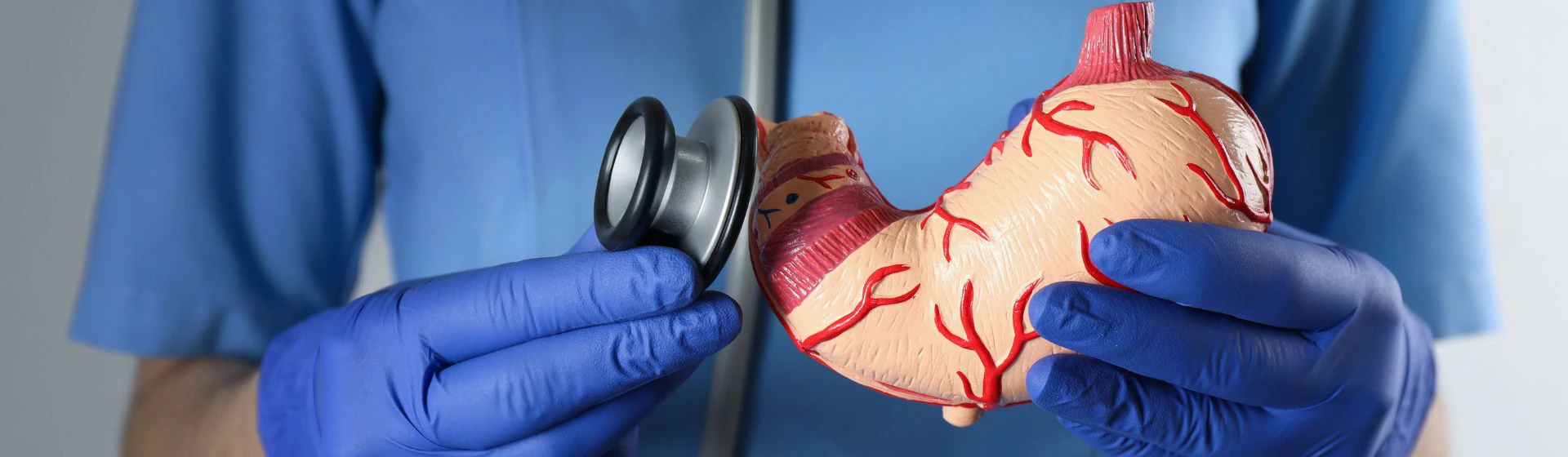
Treatment of cholecystitis
Cholecystitis is an inflammatory disease of the gallbladder. It usually develops slowly, gradually, and almost imperceptibly. According to statistics, cholecystitis most commonly affects women over the age of 45, but the disease is also frequently seen in men.
Causes of Cholecystitis
Cholecystitis can develop against the background of gallstone disease, when stones in the gallbladder damage its walls and obstruct the normal flow of bile. It can also be caused by parasites. In many patients with cholecystitis, doctors detect infection in the bile (such as E. coli, streptococcus, etc.). Inflammation can also be triggered by the backflow of pancreatic enzymes into the gallbladder during pancreatitis. In some cases, acute inflammation is caused by gallbladder trauma.
However, more often, the causes of cholecystitis include:
-
poor nutrition;
-
frequent constipation;
-
overeating;
-
weakened immunity;
-
chronic infections;
-
biliary dyskinesia;
-
low physical activity;
-
metabolic disorders.
Symptoms of Cholecystitis
There are two forms of the disease: acute and chronic. The acute form is characterized by the following symptoms:
-
jaundice;
-
cramping pain under the right rib;
-
nausea and severe vomiting.
Chronic cholecystitis presents with:
-
dull pain in the right abdomen;
-
nausea;
-
discomfort after eating fatty foods, carbonated drinks, etc.;
-
bloating;
-
pain after stress, hypothermia, etc.
Types of Cholecystitis
Depending on the course of the disease and the severity of symptoms, the following types are distinguished:
-
acute cholecystitis;
-
chronic cholecystitis.
Acute Cholecystitis
Acute cholecystitis is characterized by rapid development and pronounced symptoms. The patient may experience severe pain, nausea, vomiting, fever, etc.
Acute cholecystitis often requires hospitalization and immediate treatment, and sometimes surgical intervention.
Depending on the presence of calculi (stones in the gallbladder), acute cholecystitis is classified into:
-
calculous (with stones);
-
acalculous.
According to the type and extent of pathological changes, the following are distinguished:
-
catarrhal cholecystitis – swelling of the gallbladder mucosa and narrowing of ducts;
-
phlegmonous – development of a purulent process;
-
gangrenous – tissue necrosis develops;
-
destructive – perforation of the organ walls and ulcers appear.
Depending on the cause, infectious (bacterial, viral) cholecystitis is also distinguished, as well as forms associated with impaired motility (dyskinesia) and others. According to the severity of the pathological processes, cholecystitis can be mild, moderate, severe, or complicated.
This classification is important for selecting optimal treatment methods for each form of the disease.
Chronic Cholecystitis
Early-stage chronic cholecystitis is characterized by asymptomatic progression or periodic aching pain in the right upper abdomen (usually 1–3 hours after eating) radiating to the right shoulder, scapula, neck. It usually develops after acute cholecystitis, against the background of bile duct dyskinesia or other diseases.
Like the acute form, chronic cholecystitis can be calculous and acalculous, with or without motor dysfunction, etc.
Course and Consequences of Cholecystitis
In cholecystitis, the mucous membrane and other structures of the gallbladder become inflamed. The acute form develops within 2–3 weeks but may last up to 2 months.
Depending on various factors (disease cause, presence of infection, stones, timing of treatment), different forms of acute cholecystitis may develop: phlegmonous, gangrenous, and destructive. They present with pronounced symptoms and in most cases require hospitalization and surgery. Catarrhal cholecystitis can be treated with medication in an outpatient setting.
The disease may also become chronic. Its symptoms are less pronounced but may worsen during exacerbations.
Complications of cholecystitis may include:
-
hydrops of the gallbladder;
-
inflammation of the bile ducts;
-
purulent and necrotic processes in the bile ducts;
-
adhesion formation in the abdominal cavity;
-
jaundice;
-
hepatic colic;
-
gallbladder rupture;
-
peritonitis.
In most cases, complications pose a life threat and require urgent surgical treatment.
Diagnosis of Cholecystitis
When acute cholecystitis develops, the patient sees a gastroenterologist due to severe abdominal pain. After discussing the symptoms, the doctor performs a physical exam and palpates the abdomen. This helps suggest a possible diagnosis.
To confirm it, the following may be performed:
-
abdominal ultrasound;
-
computed tomography (CT);
-
cholecystocholangiography – X-ray of the gallbladder and ducts with contrast;
-
esophagogastroduodenoscopy (EGD) – endoscopic examination of the esophagus and stomach;
-
bile analysis;
-
blood and urine tests.
The doctor selects the necessary tests individually, based on symptoms, medical history, and examination results.
Treatment of Cholecystitis
Depending on the form and severity of the disease, different treatment methods are used. Cholecystitis is treated with medication and/or surgery. Surgery is performed in complicated cases, when purulent or necrotic processes develop, or inflammation spreads to adjacent organs. Gallstone disease is also an indication for surgery.
Hospitalization may be required in cases of acute cholecystitis or exacerbation of the chronic form. In the hospital, medication and physiotherapy are administered. A strict diet is also recommended.
Chronic cholecystitis also requires adherence to a therapeutic diet. In addition, antispasmodics, choleretics, enzyme and other medications are prescribed.
Medication Treatment of Cholecystitis
Medication is effective only for certain forms of cholecystitis. It may be prescribed for acute catarrhal and chronic cholecystitis. The treatment program depends on examination results.
Depending on the cause of the disease, presence of infection, pain severity, etc., the patient may be prescribed:
-
antibiotics;
-
anthelmintics;
-
choleretic agents;
-
antispasmodics;
-
cholekinetics;
-
cholelitholytics;
-
prokinetics and others.
Self-prescribing medication is not allowed, as it may lead to serious complications.
Diet for Cholecystitis
Diet is one of the components of treatment for both acute and chronic cholecystitis. It is prescribed by a doctor based on the disease form.
General dietary principles for gallbladder inflammation include:
-
eat 4–6 times a day at the same time;
-
consume small portions;
-
cook by boiling, stewing, baking, or steaming;
-
avoid high-calorie foods, fried, smoked, spicy dishes, sauces, sweets, fatty dairy products, etc.;
-
avoid alcoholic beverages, carbonated drinks, coffee, and cocoa;
-
always eat breakfast and have dinner at least 2–3 hours before sleep;
-
drink enough fluids.
For acute cholecystitis and exacerbation of the chronic form, diet No. 5 is usually recommended. Patients receive a menu they must follow strictly. Typically, the strictest restrictions apply for 5–7 days, after which the menu is expanded.
A sample one-day menu might include:
-
Breakfast – oatmeal with dried fruit and green tea;
-
Second breakfast – plain biscuits and fruit-berry fresh juice;
-
Lunch – vegetable soup, steamed chicken patty, boiled rice, compote;
-
Afternoon snack – baked apple, rosehip broth;
-
Dinner – mashed potatoes and boiled fish, a cup of kissel;
-
Late dinner – a glass of low-fat kefir or yogurt.
For chronic cholecystitis, it is recommended to eat lean meats, low-fat dairy, grains, whole-grain bread and pasta, vegetable soups, certain vegetables, fruits, and nuts.
To create a proper nutrition plan, consult your doctor or a dietitian.
Prevention of Cholecystitis
To reduce the risk of cholecystitis, it is advised to avoid bile stasis in the gallbladder and treat all gastrointestinal diseases in a timely manner.
Cholecystitis prevention includes:
-
regular physical activity;
-
fractional meals (frequent meals in small portions);
-
avoiding or minimizing fatty, fried, smoked, and refined foods;
-
avoiding smoking and alcohol consumption.
Our services
Consultations

Consultation with a leading gastroenterologist
1989.00 ₴
Add Added 
Online consultation with a gastroenterologist
1100.00 ₴
Add Added
Consultation with a gastroenterologist
1100.00 ₴
Add Added
Answers to popular questions about surgical treatment of cholecystitis
What is cholecystitis?
How to treat cholecystitis?
In case of non-calculous cholecystitis (without formation of stones in the gallbladder or its ducts) and catarrhal (accompanied by swelling of the organ tissues and narrowing of the ducts), drug therapy is prescribed. In case of development of a purulent process or necrosis of tissues, removal of the gallbladder is performed. Surgery is also required if cholecystitis is provoked by stones in the gallbladder or its ducts.
Cholecystitis: where does it hurt?
In acute cholecystitis, there is a sharp pain in the right side. Often it spreads to the entire abdomen, chest and shoulder blades. In the chronic course of the disease, the pain can be aching, periodic. Also, symptoms of cholecystitis are nausea, vomiting and a bitter taste in the mouth.
To make an appointment with a doctor, call our contact center or leave a request on the website.

Advantages of the Department of Gastroenterology at Oxford Medical

The latest diagnostic technologies that allow you to obtain the most accurate results;
Appointment of a course of modern drug therapy using high-quality drugs;
Performing minimally invasive or endoscopic surgery using advanced technology (if necessary);
Individual selection of a comprehensive treatment course for each patient.
Show more 
Our doctors

 5
5  22+
22+ 
Gastroenterologist of the 1st category, Candidate of Medical Sciences, Doctor of Philosophy in Medicine (PhD)
 22+ Years of experience
 Consultation 1989
 Kyiv, Hlybochytska St., 40x
 4.93 22+
 Gastroenterologist of the Highest Category
22+ Years of experience Consultation 1100
Kyiv, 9 Ivana Kramskoho Street  4.94 8+
 Gastroenterologist, family doctor of the II category
8+ Years of experience Consultation 1100
m. Irpin vul. University, 2/1, building 3  4.91 13+
 Gastroenterologist
13+ Years of experience Consultation 1100
Kyiv, Mykhayla Hryshka St., 1  4.89 25+
 General Practitioner, Gastroenterologist Highest Category
25+ Years of experience Consultation 1100
Kyiv, Vasyl Lypkivskoho St., 38  5 24+
5 24+ Gastroenterologist of the highest category
24+ Years of experience Consultation 1100
Kyiv, Obolonska Naberezhna, 1, building 2  4.89 36+
 Gastroenterologist of the Highest Category
36+ Years of experience Consultation 1100
Kyiv, Mykhayla Hryshka St., 1  4.88 38+
 Gastroenterologist
38+ Years of experience Consultation 1100
m. Irpin vul. University, 2/1, building 3 
Reviews
Світлана 16.03.2026
Хочу висловити щиру подяку пані Кравченко. Світлана Валеріївна завжди уважно мене вислуховує, оглядає, консультує. Після першого візиту до неї в мене на третій день уже значно покращилося самопочуття. Її схема лікування справді допомогла. Лікарка від Бога!

Ірина 16.03.2026
Дуже приємне враження від лікаря-гастроентеролога Чмир А.А. Обговорили курс лікування,на всі питання була дана кваліфікована відповідь. Дякую за уаажне ставлення.
Current information



Sign up
 in the clinic
  online

 Hello!
Let's take care
about your health:
Sign up via call center 
