

 Adults Adults Adults Adults Adults Adults Adults Adults Adults
  Children Children Children Children


 Hotline:
 Adults Adults Adults Adults Adults Adults Adults Adults Adults Children Children Children Children


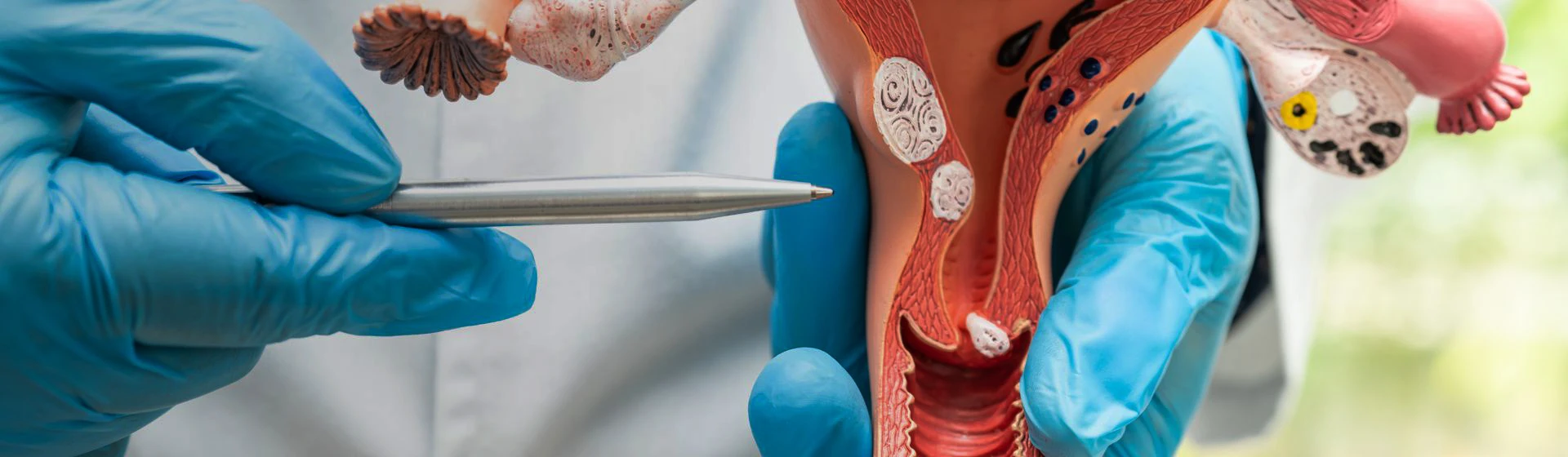
Conization of the cervix
Cervical Conization in Kiev
Diseases of the cervix, such as erosion and dysplasia, are increasingly common among women. One of the main treatment methods is cervical conization — a surgical procedure that involves the removal of affected tissues.
At Oxford Medical, cervical conization is performed using radio wave destruction of the pathologically altered area. This method is considered one of the most effective and safe. The Surgitron device, manufactured by the American company ELLMAN International, enables non-contact targeting of only atypical cells. As a result, healthy tissues remain unharmed, and scarring is avoided, which makes the radio wave method suitable even for young women who have not given birth.
In some cases, cervical conization is performed using a laser or surgical excision. The optimal method is determined individually by Oxford Medical specialists after a comprehensive examination.
Indications for cervical conization
Cervical conization is a therapeutic and diagnostic procedure. It can be performed not only to excise tissues but also to obtain a biopsy sample for histological analysis to determine whether the process is benign or malignant.
The main indications for cervical conization include:
-
Grade II–IV dysplasia;
-
erosion;
-
hyperkeratosis;
-
leukoplakia;
-
cervical hyperplasia;
-
endometriosis;
-
polyps and cysts;
-
scarring or cervical deformity;
-
detection of atypical cells by Pap smear results.
Types of cervical conization
Currently, gynecology uses three methods of cervical conization:
- Radio wave cervical conization is an effective and the safest method, minimizing damage to healthy tissues and preventing postoperative scarring. It involves non-contact exposure to pathological tissues using high-frequency radio waves. Delivered through a loop electrode, the waves cause cellular dehydration due to an instant rise in internal temperature, resulting in cutting or coagulation (depending on the waveform).
- Laser cervical conization is also a minimally invasive method. It involves pinpoint exposure to pathological tissues using a laser beam. The laser evaporates moisture from epithelial cells, causing them to disintegrate. It simultaneously coagulates blood vessels. The procedure is low-trauma and nearly bloodless.
- Surgical cervical conization is a traditional method involving excision of pathological mucosa using a scalpel. Due to its high trauma and scarring potential, which can impact natural conception and childbirth, it is now rarely used.
At Oxford Medical, cervical conization is primarily performed using radio wave or laser techniques, both of which have proven highly effective and minimally traumatic in practice.
How radio wave cervical conization is performed
Radio wave and laser cervical conization are performed in a day hospital setting. These procedures are minimally invasive and may be done under local anesthesia or sedation. Patients are typically allowed to leave the clinic a few hours after the procedure.
The main stages of cervical conization include:
-
Administration of anesthesia.
-
Extended colposcopy to define the boundaries of the pathological area.
-
Excision of a cone-shaped tissue section using radio waves or laser. Tissue fragments are removed with special forceps.
-
Inspection of the surgical site; coagulation of blood vessels if necessary.
The procedure lasts about 30 minutes. Afterward, the tissue sample is sent for histological analysis to confirm the diagnosis. Based on the results, additional treatment may be prescribed.
Advantages of cervical conization at Oxford Medical
Radio wave and laser conization:
-
Minimize damage to healthy tissues;
-
Virtually eliminate bleeding due to simultaneous vessel coagulation;
-
Reduce the risk of infection;
-
Prevent scar formation;
-
Do not affect fertility and can be used in women who have not given birth;
-
Cause almost no postoperative pain.
At Oxford Medical, cervical conization is performed using state-of-the-art equipment. For radio wave conization, the Surgitron device (ELLMAN International, USA) is used. It emits high-frequency radio waves (3.8–4 MHz), which cause instant evaporation of intracellular fluid without damaging surrounding tissues or causing thermal burns (the loop electrode transmitting the radio waves does not heat up).
The advantages of undergoing cervical conization at Oxford Medical include:
-
Use of modern, low-trauma techniques;
-
Expert-class equipment;
-
Procedures performed by gynecologic surgeons with over 20 years of experience;
-
Preoperative diagnostics completed within 1–2 days in one clinic;
-
Comfortable environment and friendly staff;
-
Loyalty program for regular patients.
How to prepare for cervical conization
Conization is scheduled for the first phase of the menstrual cycle (between days 5 and 11).
Before the procedure, a comprehensive examination is performed, which may include:
-
Gynecological exam with speculum;
-
Extended colposcopy;
-
Pap test;
-
Vaginal flora smear;
-
HPV and STI tests;
-
Pelvic ultrasound;
-
Blood and urine tests.
As part of the preparation, patients are advised to abstain from sexual activity for several days, avoid tampons and douching, and shave the pubic area the day before the procedure. Temporary discontinuation of medications affecting blood clotting may also be required.
Recovery after cervical conization
In the days following conization, patients may experience dull lower abdominal pain and slight spotting. The next menstrual period may be longer and heavier.
Since the procedure is minimally invasive, complications are rare. However, severe pain, heavy bleeding, or fever warrant medical attention.
The recovery period lasts 4 weeks. During this time, patients are advised to:
-
Take all prescribed medications;
-
Avoid sexual intercourse;
-
Do not use tampons;
-
Refrain from lifting items heavier than 4 kg;
-
Avoid intense physical exertion;
-
Refrain from hot baths, saunas, pools, and swimming in open water;
-
Attend follow-up appointments with a gynecologist as scheduled.
Cervical conization: cost at Oxford Medical
The cost of cervical conization may vary depending on:
-
The method used: radio wave, laser, or surgical;
-
Type of anesthesia: local or sedation;
-
Complexity of the condition.
You can preview the treatment prices here. The gynecologist will provide a more accurate estimate of the options and costs during your initial consultation. Schedule your appointment at a convenient time — call or submit a request on the website.


Advantages of gynecology at Oxford Medical in Kyiv

Experienced gynecologists. Doctors with extensive clinical experience who regularly complete professional development courses.
Modern diagnostics. Ultrasound, colposcopy, hysteroscopy, laboratory tests.
Comprehensive approach to women’s health. Treatment tailored to age and comorbid conditions.
Surgical capabilities. From minimally invasive to open surgeries performed in a modern surgical facility.
Convenient clinic locations. Departments are available throughout Kyiv — on both the right and left banks.
Comfort at every stage. Attentive care, modern facilities, and a welcoming atmosphere.

Our doctors

 4.98
4.98  26+
26+ 
 26+ Years of experience
  Kyiv, Hlybochytska St., 40x
 4.9 6+
 Specialist in aesthetic gynecology.
6+ Years of experience Kyiv, Hlybochytska St., 40x Kyiv, Vasyl Lypkivskoho St., 38  4.97 20+ 20+ Years of experience Kyiv, 9 Ivana Kramskoho Street
  4.94 27+ 27+ Years of experience Kyiv, Mykhayla Hryshka St., 1






 in the clinic
  online

 Hello!
Let's take care
about your health:

