


You can check the cost of IUD insertion here. The price may vary depending on the type of device and other individual factors. The gynecologist will provide more detailed information during the initial consultation. Book your appointment at a time convenient for you – call or leave a request on the website.
Sign up via call center 
 Adults Adults Adults Adults Adults Adults Adults Adults Adults
  Children Children Children Children
Department
Adults Outpatient department
Adults Outpatient department
Inpatient department
Adults Inpatient department
Aesthetic medicine
Adults Aesthetic medicine
Dentistry
Adults Dentistry
Plastic surgery
Adults Plastic surgery
Diagnostics
Adults Diagnostics
Analyzes
Adults Analyzes
Outbound services
Adults Outbound services
Children Outpatient department
Children Outpatient department
Dentistry
Children Dentistry
Diagnostics
Children Diagnostics

Kyiv


 Hotline:
 Request a call:


Department
Adults Outpatient department
Adults Outpatient department
Inpatient department
Adults Inpatient department
Aesthetic medicine
Adults Aesthetic medicine
Dentistry
Adults Dentistry
Plastic surgery
Adults Plastic surgery
Diagnostics
Adults Diagnostics
Analyzes
Adults Analyzes
Outbound services
Adults Outbound services
Children Outpatient department
Children Outpatient department
Dentistry
Children Dentistry
Diagnostics
Children Diagnostics
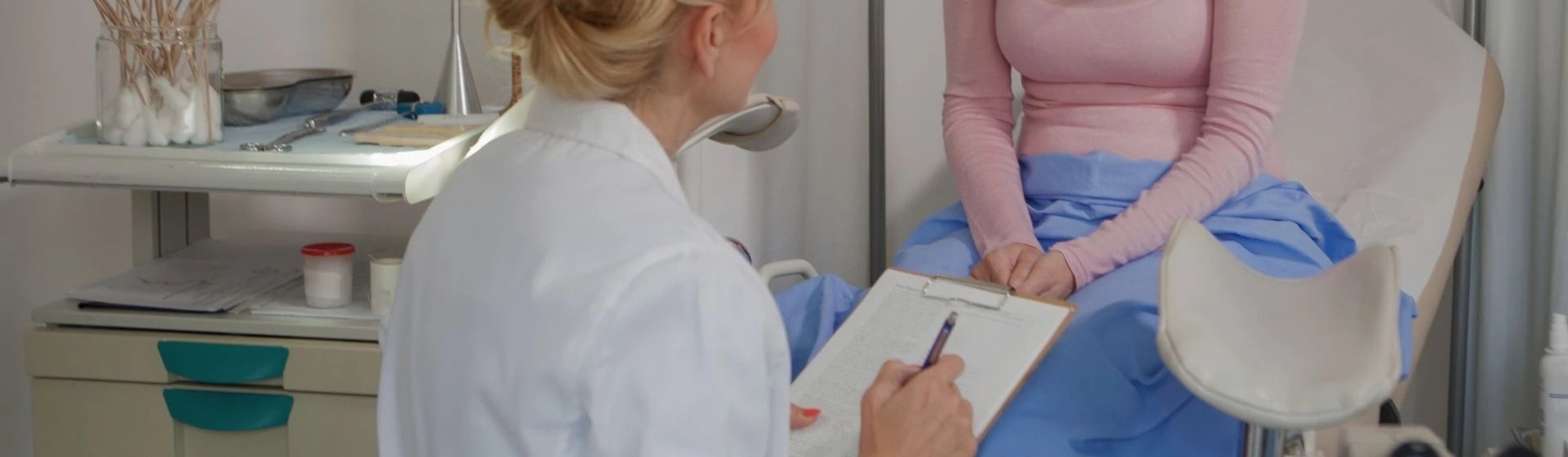
Insertion of an intrauterine device (IUD)
Insertion of an Intrauterine Device (IUD) in Kiev
An intrauterine device (IUD) is a type of female contraception that is implanted by a gynecologist into the uterine cavity. The IUD prevents pregnancy with up to 99% effectiveness and also helps reduce the frequency of inflammatory diseases. However, the IUD does not protect against sexually transmitted infections.
Today, there are several types of contraceptive coils. They can be hormonal or mechanical, and they differ in shape and duration of use. Only an experienced gynecologist can determine whether this method of contraception is suitable for a woman and select the appropriate IUD based on individual characteristics.
At “Oxford Medical,” highly qualified gynecologists with many years of experience are available for consultations. Make an appointment at a time convenient for you.
Types of Intrauterine Contraceptives
Gynecological IUDs can be:
-
Hormonal – these contain a specific amount of a hormonal agent, small doses of which are regularly released into the uterine cavity. The hormone suppresses ovulation, alters the structure of the endometrium, changes the properties of cervical mucus, and disrupts sperm function. This prevents conception, and in case of fertilization, implantation of the embryo.
-
Mechanical or non-hormonal – these do not contain any medicinal substances. Their effect is based on altering the chemical composition of cervical mucus (due to copper or silver coating) and irritating the uterine lining. This impedes sperm movement and prevents implantation of the egg if fertilized.
IUDs also vary in shape. They may be:
-
T-shaped;
-
F-shaped;
-
ring-shaped.
Most often, when a woman chooses to insert an IUD for birth control, a T-shaped device is selected. The upper arms of this device are positioned near the fallopian tubes, providing highly targeted action.
IUDs also vary in lifespan. They can be used from 1 year up to 10 years, but typically need to be replaced after 3–5 years.
How to Prepare for IUD Insertion
Before having an IUD inserted for pregnancy prevention, it is necessary to schedule a consultation with a gynecologist and undergo a comprehensive examination to rule out contraindications.
For diagnostics, the doctor may prescribe:
-
a gynecological exam with speculums;
-
vaginal flora analysis for infections;
-
cytological smear from the cervix;
-
general blood and urine tests;
-
pelvic ultrasound;
-
uterine sounding to determine size and choose an IUD.
Based on the examination results, the doctor selects the appropriate IUD for the woman and schedules the insertion for day 3–4 of the menstrual cycle. The evaluation also helps rule out contraindications such as hyperkeratosis, endometrial hyperplasia, tumors, and some other conditions.
2–3 days before the procedure, it is recommended to:
-
refrain from sexual intercourse;
-
avoid using local medications (suppositories, etc.);
-
not perform vaginal douching.
How Is an Intrauterine Device Inserted?
The IUD is inserted using a special applicator, which is introduced through the vagina into the uterus. Once the doctor ensures the IUD is correctly positioned and does not cause discomfort, the applicator is removed.
The insertion procedure may cause discomfort, so local anesthesia can be applied at the patient’s request.
The IUD is usually inserted on the 3rd or 4th day of the menstrual cycle, as the cervix is naturally dilated during this time, facilitating the process.
The height of the IUD is about 4 cm, and the thread attached to its end is approximately the same length. After insertion, the thread remains in the vagina, allowing the user to check the device's position and enabling easy removal later by a doctor. The IUD should never be removed independently, as this can injure the cervix and cervical canal.
Recovery After Hormonal IUD Insertion
In the first few days after IUD insertion, mild lower abdominal pain may occur. There may also be heavier and longer menstrual bleeding. Typically, the condition normalizes after 3–4 cycles.
After IUD placement, it is recommended to:
-
rest at the clinic for 30–60 minutes after the procedure;
-
abstain from sexual activity for 5–10 days;
-
avoid heavy physical activity for 1 week;
-
consult a doctor in case of severe pain, heavy bleeding, or menstruation lasting more than 7 days;
-
visit a gynecologist for a check-up every 3 months;
-
after menstruation, check for the presence of the thread in the vagina (the risk of IUD expulsion is higher during this period due to cervical dilation).
Advantages of IUD Insertion at the “Oxford Medical” Clinic
At “Oxford Medical,” you can complete all examinations and lab tests needed for IUD selection in just one day. The clinic has an in-house laboratory and state-of-the-art diagnostic equipment, ensuring high accuracy and fast results.
The selection and insertion of intrauterine devices are performed by experienced obstetrician-gynecologists, so every patient can be confident in receiving quality medical care.
The advantages of IUD insertion at “Oxford Medical” include:
-
individual selection of the device;
-
comprehensive examinations and testing in one visit;
-
insertion performed by an experienced obstetrician-gynecologist;
-
use of local anesthesia (upon request);
-
comfortable conditions at the clinic;
-
loyalty program for regular patients.
FAQ
How Much Does It Cost to Insert an IUD at “Oxford Medical”?
When can an IUD be inserted?
Most women have an IUD placed for pregnancy prevention, but sometimes it is also used for treating gynecological conditions. This method of contraception is suitable only for women who have given birth and do not plan to become pregnant in the coming years.
How is an IUD inserted?
The IUD is inserted by a gynecologist using a special applicator. It is introduced through the vagina into the uterus. Once the doctor confirms the IUD is correctly positioned and causes no discomfort, the applicator is removed. Local anesthesia can be used if the patient desires.
Which IUD is better?
Hormonal IUDs release small doses of medication that block ovulation, affect the endometrium, etc., preventing fertilization. Non-hormonal IUDs do not contain drugs. They provide a contraceptive effect by hindering sperm movement and implantation of a fertilized egg. The most suitable option is determined by the doctor after examination.
How long does an IUD last?
Most IUDs are effective for 3–5 years. However, their usage period can range from 1 to 10 years, depending on the specific device.

Our services
Consultations

Consultation with an obstetrician-gynecologist
1100.00 ₴
Add Added 
Consultation with a gynecologist-oncologist
1100.00 ₴
Add Added
Consultation with a leading obstetrician-gynecologist
1989.00 ₴
Add Added
Consultation with a leading gynecologist-oncologist
1989.00 ₴
Add Added
Online consultation with an obstetrician-gynecologist
1100.00 ₴
Add Added
Services
Removal of an intrauterine contraceptive device, I category of complexity
1489.00 ₴
Sign up by the call center
Removal of an intrauterine contraceptive device, category II of complexity
1789.00 ₴
Sign up by the call center
Insertion of an intrauterine device (excluding the cost of an IUD)
1889.00 ₴
Sign up by the call center

Advantages of gynecology at Oxford Medical in Kyiv

Experienced gynecologists. Doctors with extensive clinical experience who regularly complete professional development courses.
Modern diagnostics. Ultrasound, colposcopy, hysteroscopy, laboratory tests.
Comprehensive approach to women’s health. Treatment tailored to age and comorbid conditions.
Surgical capabilities. From minimally invasive to open surgeries performed in a modern surgical facility.
Convenient clinic locations. Departments are available throughout Kyiv — on both the right and left banks.
Comfort at every stage. Attentive care, modern facilities, and a welcoming atmosphere.
Show more 
Our doctors

 4.98
4.98  26+
26+ 
Obstetrician-gynecologist of the highest category. Specialist in aesthetic gynecology, ultrasound doctor
 26+ Years of experience
 Consultation 1100
 Kyiv, Hlybochytska St., 40x
 4.9 6+
 Obstetrician-gynecologist, ultrasound doctor
Specialist in aesthetic gynecology.
Specialist in aesthetic gynecology.
6+ Years of experience Consultation 1100
Kyiv, Hlybochytska St., 40x Kyiv, Vasyl Lypkivskoho St., 38  4.97 20+
 Obstetrician-gynecologist of the Highest Category, Specialist in Aesthetic Gynecology
20+ Years of experience Consultation 1100
Kyiv, 9 Ivana Kramskoho Street  4.92 23+
 Obstetrician-gynecologist, ultrasound doctor
23+ Years of experience Consultation 1100
Kyiv, Hlybochytska St., 40x 
Reviews
Яна 09.03.2026
Щиро дякую лікарю Котвицькій Марії Ігорівні за професійну, детальну консультацію та уважний огляд. Дуже ціную Вашу компетентність, чуйність і готовність відповісти на всі запитання. Дякую за турботу та високий рівень медичної допомоги!

Ганна 02.03.2026
Щиро дякую лікарю-гінеколоку Сергієнко Юлії Сергіївні за професіоналізм та чуйне ставлення. Вперше була в неї на прийомі, лікар виявилася неймовірно привітливою та делікатною. Огляд пройшов комфортно, пояснення зрозуміли, правильне призначення лікування, приделіла достатньо часу мені. Всі мої запитання не залишились без відповіді.Від лікаря відчувається спокій та підтримка. Рекомендую!
Current information


27 February 2026
When Is the Best Time to Have a Pelvic Ultrasound and How to Prepare

11 February 2026
Gynecological Check-up

23 December 2025
Laparoscopy in gynecology: how modern methods are changing approaches to operations

20 March 2025
Contact a reproductive specialist on time: when artificial insemination (IVF) gives hope of becoming a...
Sign up
 in the clinic
  online

 Hello!
Let's take care
about your health:
Sign up via call center 
