Sign up via call center
Department
Computed tomography of the hand at the private clinic Oxford Medical Kyiv

CT with contrast

CT with contrast is one of the most informative methods of modern diagnostics. During the examination, a contrast agent is administered intravenously to the patient, due to which individual tissues and blood vessels become more visible on the images. This allows for a more accurate assessment of the structure of organs, the boundaries of pathological changes, and the features of blood supply.

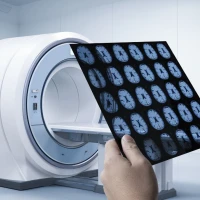
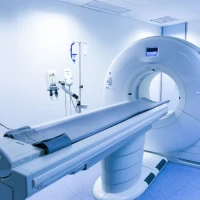
At the Oxford Medical clinic, CT is performed using modern GE Revolution Maxima and SIEMENS Healthineers SOMATOM go.Up computed tomography scanners. The equipment allows obtaining detailed layered images, while intelligent processing algorithms help improve the quality of visualization.

You can undergo CT with contrast on the right bank of Kyiv near the Dorohozhychi metro station and on the left bank — in Berezniaky. Schedule your examination at a convenient time for you through the website or the Oxford Medical contact center.

CT with contrast: indications for performing

CT with contrast is prescribed when it is necessary to assess the internal organs, blood vessels,
or pathological changes that are not clearly enough visible during a regular CT in more detail.

Most often, CT with contrasting is performed in the following cases:

suspicion of neoplasms or metastases;

inflammatory processes and their complications;

vascular disorders, thromboses, or aneurysms;

consequences of injuries or monitoring after operations.

List of diseases

Such an examination may be performed for different anatomical areas — the head, organs of the chest cavity, abdominal cavity, small pelvis, blood vessels, or urinary system. If necessary, the doctor may recommend scanning one area or a comprehensive examination that covers two zones or three zones.

In modern medicine, contrast-enhanced CT is widely used in oncology, since it helps to more accurately assess the size of a neoplasm, its boundaries, and the extent of the pathological process. The examination is also used to clarify vascular disorders, consequences of injuries, and inflammatory diseases in different anatomical areas.

For example, CT of the head with contrasting may be performed for a more detailed assessment of the blood vessels of the brain, neoplasms, or complications after injuries. The examination is also often prescribed when it is necessary to clarify the results of ultrasound, MRI, or previous CT without contrast and obtain more information for further diagnostics and treatment.

Contraindications to CT with contrasting

CT with contrasting has certain limitations, since an iodine-containing contrast agent is used during the examination.

The main contraindications or limitations to the examination may be:

  • pregnancy;

  • severe kidney failure;

  • pronounced allergy to iodine-containing contrast agents;

  • decompensated diabetes mellitus;

  • severe disorders of thyroid gland function;

  • severe general condition of the patient.

In some cases, before the examination, the doctor may recommend an additional consultation with a specialized specialist. For example, if there were reactions to contrast agents or severe allergic diseases in the past, a consultation with an allergologist may be needed.

The specialists of «Oxford Medical» explain: before scheduling CT with contrast, it is important to inform the doctor about chronic diseases, allergies, regular use of medications, previous reactions to contrast, and possible pregnancy. This helps to correctly assess the risks and choose a safe examination format.

Preparation for CT with contrast

Before CT with contrasting, most often it is necessary to take a blood test for creatinine. This indicator helps assess kidney function and understand whether they can safely remove the contrast agent after the procedure. If necessary, the doctor may also prescribe an analysis to determine the glomerular filtration rate (GFR), in order to assess kidney function in more detail before the examination.

Main recommendations before the examination:

  • do not eat for 4–6 hours before the procedure;

  • drink enough water, if the doctor has not given other recommendations;

  • wear comfortable clothing without metal elements in the scanning area;

  • remove jewelry, belt, watch, and other metal objects before the examination;

  • inform the doctor about allergies, chronic diseases, and previous reactions to contrast agents.

If computed tomography with contrast administration is planned, preparation recommendations may differ depending on the scanning area. For example, before CT of the abdominal organs, it is sometimes recommended to increase the interval after the last meal, and before certain vascular examinations there may be additional requirements regarding the drinking regimen.

How CT with contrast is performed

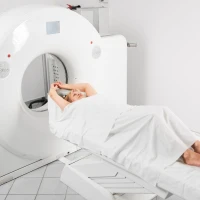
During the examination, the patient lies down on the movable table of the tomograph. If the examination is performed with contrasting, before scanning an intravenous catheter is placed into a vein on the arm, through which the contrast agent is administered.

During contrast administration, a feeling of warmth in the body, a metallic taste in the mouth, or short-term discomfort may appear — usually these sensations pass quickly. At this time, it is important to lie still and follow the commands of the medical staff, for example, to hold your breath for a few seconds.

Computed tomography with contrast enhancement may include several scanning stages. This is needed in order to assess how the contrast agent passes through the vessels and accumulates in the tissues during different phases of the examination.

The duration of the procedure depends on the scanning area and the scope of the examination. The scanning itself usually takes several minutes, but the entire visit may last longer because of preparation and administration of the contrast agent. After the procedure is completed, the catheter is removed, and the patient can usually return to the usual daily routine.

CT with contrast: side effects

In most cases, CT with contrast is tolerated well and does not cause serious complications. After the administration of the contrast agent, short-term sensations may occur, which are considered a normal reaction of the body and usually pass quickly.

Most often, patients may feel:

  • warmth in the body or a hot flash;

  • a metallic taste in the mouth;

  • mild nausea;

  • short-term dizziness;

  • discomfort at the catheter insertion site.

Allergic reactions to the contrast agent may occur more rarely. They may manifest as:

  • itching;

  • rash;

  • redness of the skin;

  • swelling;

  • difficulty breathing.

That is why before the procedure it is important to inform the doctor about allergies, bronchial asthma, previous reactions to contrast agents, and chronic diseases. This helps to correctly assess possible risks before performing computed tomography with a contrast agent.

The specialists of «Oxford Medical» note: after the examination, it is usually recommended to drink more water, if there are no contraindications from the kidneys or cardiovascular system. This helps the body remove the contrast agent more quickly after the procedure.

If after CT with contrast a rash, difficulty breathing, swelling, severe weakness, or a sharp deterioration in well-being has appeared, it is necessary to seek medical assistance as soon as possible.

How much does CT with contrast cost in Kyiv at the private «Oxford Medical» clinic

The price of CT with contrast depends on the scanning area. For example, an examination of one anatomical area and a comprehensive CT that covers several zones have a different protocol of performance, therefore the cost may differ.

You can find out the price for computed tomography with contrast in Kyiv at the «Oxford Medical» clinic here or clarify it by phone. To schedule an examination, leave a callback request on the website or contact the contact center at the specified phone number. The administrator will help choose a convenient time and location for undergoing diagnostics.

The information is for informational purposes and does not replace a doctor's consultation.

Sources:

Frequently asked questions

How long does CT with contrast last?

The duration of CT with contrast depends on the scanning area and the examination protocol. The scanning itself usually takes 5–15 minutes, however the entire visit may last longer because of preparation, placement of an intravenous catheter, and administration of the contrast agent. If the examination includes several scanning phases or covers two or three zones, the procedure may take more time.

Which is better: CT with contrast or without?

There is no universally «better» option — the examination format depends on the clinical situation. CT without contrast is more often used to assess bone structures, some injuries, or calculi. CT with contrast is prescribed when it is necessary to assess internal organs, blood vessels, neoplasms, inflammatory processes, or features of tissue blood supply in more detail. For example, when complicated pancreatitis is suspected, contrasting helps to more accurately assess the condition of the pancreas and possible complications.

Where is contrast administered during CT?

During CT, the contrast agent is most often administered intravenously — through a catheter into a vein on the arm. After administration, the contrast spreads through the vessels and temporarily accumulates in the tissues, due to which individual organs, vessels, and pathological changes appear more clearly on the images.

Why drink water before CT with contrast?

A sufficient drinking regimen helps maintain normal water balance and contributes to the removal of the contrast agent after the examination. In most cases, water can be drunk before CT with contrast if the doctor has not given other recommendations. In some kidney or heart diseases, or if there are restrictions regarding fluid, the preparation rules may differ, so they should be clarified in advance.

What tests need to be taken before CT with contrasting?

Before CT with contrasting, a blood test for creatinine is most often prescribed. It helps assess kidney function and understand whether they can safely remove the contrast agent after the procedure. If necessary, the doctor may also recommend determining the glomerular filtration rate (GFR), especially for patients with chronic kidney diseases or diabetes mellitus.

What can be eaten before CT with contrast?

Usually before CT with contrast, it is recommended not to eat for 4–6 hours before the procedure, in order to reduce the risk of nausea or discomfort after the administration of the contrast agent. In most cases, water can be drunk if the doctor has not given other recommendations. On the eve of the examination, it is advisable to avoid excessively heavy food and alcohol, especially if CT of the abdominal organs is planned.

What should not be done after CT with contrast?

After CT with contrast, strict restrictions are usually not needed, and most patients can return to their usual daily routine. At the same time, it is advisable to drink enough water if there are no contraindications from the kidneys or cardiovascular system. If after the procedure a rash, itching, difficulty breathing, swelling, or a sharp deterioration in well-being has appeared, it is necessary to consult a doctor.

Who cannot undergo contrast-enhanced CT?

Contrast-enhanced CT may be contraindicated for patients with severe kidney failure, pronounced allergy to iodine-containing contrast agents, severe disorders of thyroid gland function, or decompensated chronic diseases. The examination is also usually not performed during pregnancy without significant medical indications. In each case, the decision is made individually.

How often can CT with contrast be performed?

There is no clearly established universal limitation regarding the frequency of CT with contrast. The examination is performed as many times as necessary for diagnostics, treatment monitoring, or observation of the disease. At the same time, the doctor always takes into account the radiation exposure, kidney function, general condition of the patient, and previous examinations in order to avoid unjustified repeat scanning.

( Rating: 4.98 , Votes: 47 )
Our services
Services
CT of the urinary system with excretory urography (kidneys, adrenal glands, ureters, bladder) (with contrast)
5189.00 ₴
Sign up by the call center
CT scan of the abdominal cavity and pelvis (with contrast)
5789.00 ₴
Sign up by the call center
CT abdominal cavity, retroperitoneal space, pelvis (with contrast)
5189.00 ₴
Sign up by the call center
CT scan of soft tissues of the neck (with contrast)
3589.00 ₴
Sign up by the call center
CT scan of the neck and chest (with contrast)
4889.00 ₴
Sign up by the call center

Advantages of CT with contrast at the Oxford Medical clinic

Modern equipment. Examinations are performed using GE Revolution Maxima and SIEMENS Healthineers SOMATOM go.Up computed tomography scanners.

High image detail. The contrast agent helps visualize blood vessels, internal organs, and pathological changes more clearly.

Possibility of a comprehensive examination. At the clinic, you can undergo scanning of one anatomical area, as well as two or three zones in one visit.

Convenient locations. You can undergo CT with contrast on the right bank of Kyiv near the Dorohozhychi metro station and on the left bank — in Berezniaky.

Reviews
Коломієць Катя 23.02.2024
Дуже задоволена цією клінікою,робила КТ черевної порожнини і гастроскопію дуже вдячна спеціалістам гарне обслуговування . Дякую ще дівчаткам на інформаційній.
Star Star Star Star Star
Роман 24.10.2022
Дякую за якісне КТ легенів , результати надійшли вже на наступний день. Дуже ввічливий персонал.
Star Star Star Star Star
Current information
All Articles
Sign up via call center
in the clinic
online
This site is protected by reCAPTCHA technology, and the Google Privacy Policy and Terms of Service apply.
Hello!
Let's take care
about your health:
Sign up via call center

We use cookies and other technologies to remember your preferences and find out exactly how you use and interact with the site.

By using our site, you also agree to the terms of the "User Agreement" and "Regulation on the processing and protection of personal data". By clicking "I AGREE", you consent to the processing of your data.