Sign up via call center
Department
Magnetic resonance imaging (MRI) of the joints ➤ price in Kyiv | Oxford Medical

CT of the urinary system

CT of the urinary system is an X-ray examination that helps to assess in detail the condition of the kidneys, ureters and urinary bladder. The study is often prescribed for lower back pain, the appearance of blood in the urine, suspicion of kidney stones, inflammatory processes, neoplasms or traumatic injuries.

Computed tomography allows obtaining layered images of organs and seeing changes that cannot always be assessed sufficiently accurately during ultrasound or a regular X-ray. If necessary, the study is performed with a contrast agent — this helps to better visualize the urinary tract, assess kidney function and clarify the nature of the detected changes.

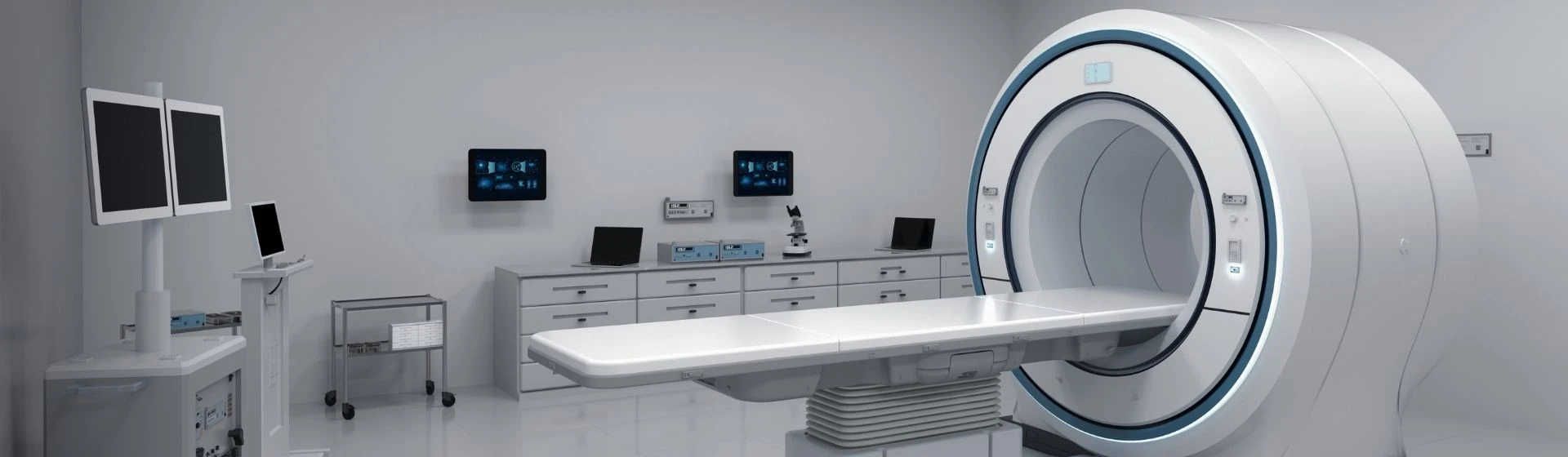
At the Oxford Medical clinic, CT of the urinary system is performed on modern computed tomography scanners that allow obtaining clear detailed images for accurate diagnostics. Book an examination at a time convenient for you.

What is included in CT of the organs of the urinary system

The study allows a detailed assessment of the condition of the organs of the urinary system and detection of pathological changes that may be unnoticeable during other diagnostic methods.

During CT of the urocomplex, the following may be assessed:

  • kidneys — their size, shape, location, tissue structure and the condition of the calyceal-pelvic system;

  • ureters — patency, narrowing, widening or the presence of an obstacle to the outflow of urine;

  • urinary bladder — shape, wall thickness, presence of stones, neoplasms or other changes;

  • surrounding tissues — signs of inflammation, swelling or spread of the pathological process;

  • vessels and lymphatic nodes — if necessary, if additional assessment of the extent of changes is needed.

Due to high detail, CT helps to clarify the localization of pathological changes, assess their size and detect possible complications. This is especially important when there is suspicion of kidney stones, impaired outflow of urine, inflammatory processes or consequences of injuries.

Indications for CT of the urinary system

CT of the urinary system is prescribed when it is necessary to clarify the cause of symptoms,
check changes detected during ultrasound or tests.

Most often, it is performed in the following cases:

pain in the lower back, side or lower part of the abdomen;

appearance of blood in the urine or a change in its color;

suspicion of renal colic;

suspicion of stones in the kidneys, ureters or bladder;

impairment or delay of urine outflow;

frequent or complicated urinary tract infections;

suspicion of neoplasms of the kidneys, ureters or bladder;

monitoring after urological operations or interventions.

List of diseases

Non-contrast CT is most often used when stones in the kidneys, ureters or urinary bladder are suspected. It may also be prescribed before treatment of urolithiasis is planned. Many calculi are clearly visible without the introduction of a contrast agent, so the doctor can assess their location, size and possible effect on urine outflow. If it is necessary to assess kidney function, the condition of the ureters or the nature of the detected changes in more detail, the doctor may recommend CT of the urinary system with contrast.

One of the variants of such a study is CT urography — an examination during which a contrast agent is administered intravenously, and scanning is performed in defined phases. This allows tracing how the contrast passes through the kidneys, ureters and urinary bladder, and detecting narrowing, impaired urine outflow, neoplasms or anatomical features of the urinary tract.

Doctors of Oxford Medical recommend not postponing a visit to a doctor if lower back pain is accompanied by fever, chills, nausea, vomiting, a sharp decrease in the amount of urine or blood impurities in the urine. In such cases, it is important to undergo diagnostics in a timely manner and determine the cause of the symptoms.

Contraindications

CT of the urinary system has certain limitations related to X-ray radiation and the possible use of a contrast agent. In most cases, the decision to perform the examination is made by the doctor individually: taking into account complaints, previous results, the condition of the kidneys, concomitant diseases and the purpose of diagnostics.

General contraindications to CT:

  • pregnancy;

  • severe general condition of the patient;

  • inability to lie still during scanning.

If CT needs to be performed with a contrast agent, additional contraindications may be:

  • severe kidney failure;

  • allergy to iodine-containing contrast;

  • pronounced thyroid dysfunction;

  • decompensated diabetes mellitus;

  • severe bronchial asthma.

Before booking the examination, it is important to inform the doctor about the above-mentioned conditions. This will help to assess possible risks in advance and choose a safe format of the study.

Preparation for CT of the urinary system

Preparation depends on the format in which the study is performed — without contrast or with a contrast agent. In most cases, a regular CT of the urinary system does not require complex preparation: the patient comes at the appointed time, undergoes a short briefing and follows the recommendations of the medical staff before scanning.

If CT with contrast enhancement is planned, preparation should be more careful, since the contrast agent is excreted through the kidneys. Before the procedure, the doctor may recommend checking the level of creatinine in the blood. This indicator helps to assess kidney function and understand whether contrast can be administered safely.

On the day of the examination, it is advisable to wear comfortable clothing without metal elements in the area of the abdomen, lower back and pelvis. Before scanning, it will be necessary to remove the belt, jewelry, metal accessories and other items that may affect the quality of the images.

If CT is performed without contrast, it is usually not necessary to specifically limit food or water intake. Before a study with contrast, it may be recommended not to eat for several hours before the procedure. In most cases, water can be drunk, but the exact recommendations depend on the examination protocol and the patient's condition.

How computed tomography of the organs of the urinary system is performed

Computed tomography of the organs of the urinary system is performed quickly and painlessly. Before the start, the patient is explained how the scanning will take place, what position needs to be taken and when it is necessary to hold the breath. This is important so that the images come out clear.

During the examination, the patient lies down on the movable table of the tomograph. The table smoothly moves inside the ring-shaped part of the device, and the tomograph performs layer-by-layer scanning of the required area. During this time, it is necessary to lie still.

If the study is performed without contrast, the procedure usually takes little time. This format is often used when it is necessary to do a kidney CT, detect calculi, signs of impaired urine outflow or consequences of trauma.

Doctors of Oxford Medical explain: if contrast enhancement is needed, an intravenous catheter is placed in the patient before scanning. The contrast agent is administered during the study, after which a series of images is taken in the required phases. At the moment of contrast administration, a feeling of warmth in the body, a metallic taste in the mouth or short-term discomfort may appear — usually these sensations pass quickly.

After the scanning is completed, the patient can return to usual activities. The obtained images are analyzed by a radiologist, after which a written conclusion is prepared. With the result, it is worth contacting a urologist in order to correctly compare the CT data with complaints and the results of other examinations and determine the diagnosis.

CT of the urinary system: price in Kyiv at the private clinic Oxford Medical

The cost of CT of the urinary system depends on the need to administer a contrast agent. CT without contrast and a study with contrast enhancement have different protocols, so their price may differ.

You can preliminarily familiarize yourself with the cost of medical services here. To book CT of the urinary system in Kyiv, leave a request on the website or contact the contact center by phone. The administrator will help choose a convenient time and location, as well as clarify the details of preparation.

The information is for informational purposes and does not replace a doctor's consultation.

Sources:

RadiologyInfo

American College of Radiology

PubMed

Frequently asked questions

What problems can CT of the urinary system detect?

The examination helps detect stones in the kidneys, ureters or urinary bladder, impaired urine outflow, dilation of the calyceal-pelvic system, consequences of injuries, inflammatory changes, cysts, neoplasms and some congenital features of organ structure. The study may also be useful for clarifying changes that were detected during ultrasound or laboratory tests.

Can you drink before computed tomography of the urinary system?

In most cases, water can be drunk before computed tomography. If the study is performed without contrast, special restrictions are usually not needed. If the administration of a contrast agent is planned, recommendations regarding drinking and food intake depend on the examination protocol, so it is better to clarify them during booking.

Can computed tomography detect problems with the urinary bladder?

Yes, the examination can help detect stones, wall thickening, space-occupying formations, consequences of injuries or spread of a pathological process in the area of the urinary bladder. At the same time, for a detailed assessment of the mucous membrane of the bladder, the doctor may additionally prescribe other methods, for example cystoscopy, ultrasound or laboratory urine tests.

( Rating: 4.98 , Votes: 47 )
Our services
Services
CT of the urinary system with excretory urography (kidneys, adrenal glands, ureters, bladder) (with contrast)
5189.00 ₴
Sign up by the call center
CT scan of the chest (lungs, mediastinum, rib cage) (with contrast)
4589.00 ₴
Sign up by the call center
CT scan of the abdominal cavity and pelvis (with contrast)
5789.00 ₴
Sign up by the call center
CT scan for stones (abdominal cavity, retroperitoneal space, pelvis)
2689.00 ₴
Sign up by the call center
CT abdominal cavity, retroperitoneal space, pelvis (with contrast)
5189.00 ₴
Sign up by the call center

Advantages of CT of the urinary system at the Oxford Medical clinic

Modern equipment. Examinations are performed on GE Revolution Maxima and SIEMENS Healthineers SOMATOM go.Up computed tomography scanners.

High image detail. CT allows obtaining layer-by-layer images of the kidneys, ureters and urinary bladder in order to detect even small pathological changes.

Fast performance. Scanning takes a few minutes and usually does not require a long stay at the clinic.

Convenient locations. CT of the urinary system is available on the right bank near Dorohozhychi metro station and on the left — in Berezniaky.

Reviews
Коломієць Катя 23.02.2024
Дуже задоволена цією клінікою,робила КТ черевної порожнини і гастроскопію дуже вдячна спеціалістам гарне обслуговування . Дякую ще дівчаткам на інформаційній.
Star Star Star Star Star
Роман 24.10.2022
Дякую за якісне КТ легенів , результати надійшли вже на наступний день. Дуже ввічливий персонал.
Star Star Star Star Star
Current information
All Articles
Sign up via call center
in the clinic
online
This site is protected by reCAPTCHA technology, and the Google Privacy Policy and Terms of Service apply.
Hello!
Let's take care
about your health:
Sign up via call center

We use cookies and other technologies to remember your preferences and find out exactly how you use and interact with the site.

By using our site, you also agree to the terms of the "User Agreement" and "Regulation on the processing and protection of personal data". By clicking "I AGREE", you consent to the processing of your data.