Sign up via call center
Department
Trophic ulcer ➤ treatment of varicose ulcers on the legs in Kyiv | Oxford Medical

Treatment of trophic ulcers

Trophic ulcers are chronic wounds that most often occur on the legs due to impaired blood circulation, venous stasis, diabetes mellitus, or complications of vascular diseases. Such lesions may not heal for a long time, be accompanied by pain, swelling, and significantly affect a person’s everyday life. Without treatment, the wound may gradually increase and be complicated by infection.

At the Oxford Medical clinic, comprehensive treatment of trophic ulcers is carried out taking into account the cause of the disease, the condition of the vessels, and the patient’s general health. Modern examination methods, local therapy, compression treatment, and minimally invasive vascular techniques are used for diagnosis and treatment. The earlier treatment is started, the higher the chances of avoiding complications and accelerating wound healing. Book a consultation at a time convenient for you by phone or through the online form on the website.

Trophic ulcers: classification

Trophic ulcers are classified according to several criteria: the mechanism of impaired tissue nutrition, the background disease, localization, depth of lesion, and condition of the wound. This approach helps determine why the wound does not heal, assess the risks of complications, and select treatment according to the cause, not only according to the external appearance of the ulcer.

Classification criterion

Main variants

What this means

By the leading mechanism of impaired tissue trophism

Venous, arterial, neuropathic, mixed.

Venous ones occur due to impaired venous outflow, arterial ones — due to insufficient blood inflow, neuropathic ones — due to impaired innervation, mixed ones combine several mechanisms.

By background disease or condition

Against the background of varicose disease, post-thrombotic disease, diabetes mellitus, atherosclerosis of the arteries of the lower limbs, severe arterial hypertension.

This criterion explains which disease created the conditions for the appearance of the ulcer and what needs to be controlled so that the wound heals and does not recur.

By localization

Ulcers of the lower leg, foot, toes, heel area.

The location of the wound helps the doctor assume its origin. For example, venous lesions more often occur in the lower third of the lower leg, and diabetic ones — in the foot area.

By depth of tissue lesion

Superficial, deep, with involvement of subcutaneous tissue, tendons, muscles, or bone structures.

The deeper the wound, the higher the risk of infection, prolonged healing, and the need for more complex treatment.

By wound condition

Without signs of infection, infected, with necrotic tissues, with moderate or significant exudate discharge.

This criterion is important for choosing treatment methods.

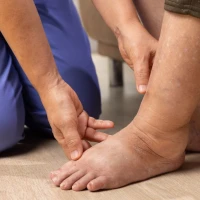
Venous ulcers are the most common, associated with chronic venous insufficiency, varicose disease, or the consequences of previous thrombosis. They usually form in the lower leg area, are accompanied by swelling, darkening of the skin, tissue thickening, and may not heal for a long time without correction of venous blood circulation.

At the same time, trophic ulcers of the lower leg do not always have a venous origin. In some patients, the cause may be impaired arterial blood supply, diabetes mellitus, damage to nerve endings, or a combination of several factors. That is why the doctor evaluates not only the external appearance of the wound, but also the condition of the vessels, the presence of swelling, pain, skin sensitivity, signs of infection, and concomitant diseases.

Doctors of Oxford Medical recommend not determining the type of ulcer independently by photo or description of symptoms. Wounds that look similar externally may have different origins, and improper treatment can slow down healing or worsen the condition of tissues. The optimal therapy tactics are selected after examination, vascular diagnostics, and assessment of the patient’s general condition.

Causes of trophic ulcers

The causes of the development of trophic ulcers are most often associated with prolonged impairment of blood circulation, tissue nutrition, or skin sensitivity. Normally, even a small injury gradually heals, but if tissues receive insufficient oxygen, suffer from venous stasis, swelling, or impaired innervation, the recovery process slows down. Because of this, an ordinary scratch, chafing, or crack can turn into a chronic wound.

The most common causes of trophic ulcers are:

  • Impaired venous outflow. In chronic venous insufficiency, blood is retained in the veins of the lower limbs, pressure in the vessels increases, swelling, thickening, and darkening of the skin appear. According to National Health Service (NHS), impaired venous circulation is the main cause of most chronic ulcers of the lower limbs. In patients with prolonged venous stasis, a varicose ulcer may form, which without treatment is prone to slow healing and recurrence.

  • Consequences of deep vein thrombosis. If the patient previously had a blood clot in the leg, after treatment, impaired function of the venous valves and increased venous pressure may persist. This creates conditions for the development of post-thrombotic changes and chronic wounds.

  • Impaired arterial blood supply. In atherosclerosis or narrowing of the arteries, tissues receive insufficient blood and oxygen. In such cases, wounds more often occur on the foot, toes, or areas of constant pressure, may be painful, and heal slowly.

  • Diabetes mellitus. In diabetes, small vessels, nerve endings, and the immune defense of the skin may suffer simultaneously. Due to reduced sensitivity, a person does not always notice a foot injury, and impaired blood supply complicates healing.

  • Prolonged swelling of the lower limbs. Constant swelling worsens skin nutrition, makes it thinner, denser, and less resistant to damage. Against this background, cracks, inflammation, and wounds may appear.

  • Impaired innervation of tissues. When nerve endings are affected, the skin loses normal sensitivity, and the patient may not feel pain, pressure, or microtraumas. This is how neurotrophic and diabetic ulcers form more often.

  • Injuries, chafing, and pressure on the skin. Uncomfortable shoes, cuts, burns, bruises, or constant friction are not always the main cause of an ulcer, but often become a triggering factor if blood circulation is already impaired.

  • Concomitant risk factors. These include excess weight, a sedentary lifestyle, smoking, advanced age, uncontrolled blood glucose levels, elevated arterial pressure, and untimely treatment of vascular diseases.

It is important to understand that a trophic ulcer of the lower limbs rarely has only one cause. In many patients, several factors are combined simultaneously: venous stasis, swelling, diabetes, atherosclerosis, or the consequences of previous thrombosis. That is why treatment should begin not with the random selection of an ointment, but with a doctor’s examination and diagnostics, which help determine the main mechanism of impaired healing.

Symptoms of a trophic ulcer

Symptoms of a trophic ulcer may increase gradually.

Main symptoms:

A long-term non-healing ulcer on the leg or a wound that gradually increases.

Swelling, heaviness in the legs, darkening, thickening, or itching of the skin around the affected area.

Pain, burning, fluid discharge, or an unpleasant odor from the wound, especially when an infection is added.

Deterioration of the skin condition on the lower limbs: dryness, cracks, increased vulnerability to injuries, and slow healing of damage.

List of diseases

Doctors at Oxford Medical recommend seeking a consultation if a wound on the leg does not heal for more than 2–4 weeks, increases, hurts, weeps, or is accompanied by swelling and a change in skin color. Timely examination helps identify the cause of the problem and select treatment before complications develop.

Diagnosis of trophic ulcers on the legs

Diagnosis of trophic ulcers is aimed at determining the cause of the appearance of a chronic non-healing wound. During the consultation, the doctor evaluates the localization, size, depth, and condition of the ulcer, the presence of swelling, pain, discharge, changes in skin color, and signs of infection. It is also clarified how long ago the wound appeared, whether there were similar problems before, varicose disease, diabetes mellitus, or vascular diseases.

If during the examination the doctor sees that the patient has a trophic ulcer, diagnostics to establish the cause of its appearance may include:

  • ultrasound duplex scanning of the vessels of the lower limbs — helps assess the condition of veins and arteries, blood flow velocity, and the function of venous valves;

  • laboratory blood tests — may include a complete blood count, determination of glucose level, indicators of inflammation, and blood clotting;

  • bacteriological examination of discharge from the wound — prescribed when there are signs of infection to select antibacterial therapy;

  • CT angiography of the vessels of the lower limbs — allows detailed assessment of the condition of the vessels, detection of blood flow disorders and narrowing of the arteries.

According to Society for Vascular Surgery, assessment of the condition of the vessels is one of the key parts of examination for chronic ulcers, since without eliminating the blood circulation disorder, the wound may open again even after temporary healing.

Doctors of Oxford Medical recommend not postponing examination when a chronic wound appears on the leg. Timely diagnostics helps determine the cause of the disease, assess the risk of complications, and select the optimal treatment tactics.

Methods of treating trophic ulcers

Methods of treating trophic ulcers depend on the cause of the disease, the size and depth of the wound, the presence of infection, and concomitant diseases. The main task of therapy is not only to heal the wound, but also to eliminate the blood circulation disorder due to which it occurred. That is why treatment is usually comprehensive and may combine local therapy, medications, compression therapy, and, if necessary, surgical or minimally invasive interventions.

Treatment methods may include:

  • surgical wound debridement — removal of necrotic tissues, cleansing of the ulcer, and creation of conditions for normal healing;

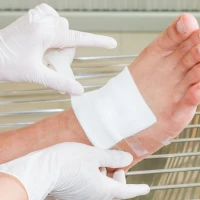
  • local wound treatment — cleansing of the ulcer, dressings, use of antiseptic and healing agents;

  • medication treatment — drugs for improving microcirculation, controlling inflammation, treating infection, and concomitant vascular disorders;

  • compression therapy — use of compression knitwear or elastic bandages to improve venous outflow and reduce swelling;

  • treatment of chronic venous insufficiency — in case of varicose veins, endovenous laser coagulation of varicose veins or other minimally invasive interventions may be performed;

  • correction of concomitant diseases — control of glucose levels in diabetes mellitus, treatment of arterial hypertension, atherosclerosis, and other conditions that worsen tissue healing;

  • auxiliary methods for reducing swelling and improving venous outflow — therapeutic physical exercises, physiotherapy, and in individual cases — kinesio taping.

If a trophic ulcer of the lower limb is associated with varicose veins or impaired venous circulation, a vascular surgeon may be involved in the treatment. The doctor assesses the condition of the vessels and selects the optimal therapy tactics to eliminate the cause of the disease.

Doctors at Oxford Medical recommend not self-treating chronic wounds. Incorrectly selected ointments or aggressive treatment may worsen the condition of tissues and slow down healing. Comprehensive treatment helps not only accelerate wound healing, but also reduce the risk of ulcer recurrence.

Possible complications of trophic ulcers

Trophic ulcers require timely treatment, since the prolonged existence of a chronic wound increases the risk of complications.

Possible complications:

  • addition of a bacterial infection — the wound may become painful, purulent discharge, an unpleasant odor, redness, and swelling of the tissues around the ulcer may appear;

  • spread of the inflammatory process to deeper tissues — in severe cases, the infection may affect subcutaneous tissue, muscles, tendons, or bone structures;

  • chronic pain syndrome — constant pain and discomfort may affect sleep, physical activity, and the patient’s quality of life;

  • bleeding — when vessels in the area of the ulcer are damaged, bloody discharge or bleeding of varying intensity is possible;

  • increase in the area and depth of the wound — without treatment, a trophic ulcer on the leg may gradually spread and take longer not to heal;

  • impaired mobility — due to pain, swelling, and discomfort, it may be difficult for the patient to stand for a long time, walk, or wear usual footwear;

  • recurrences of the disease — even after the wound has healed, the ulcer may appear again if the disorder of venous or arterial blood circulation is not eliminated.

Doctors at Oxford Medical recommend not postponing a visit to a specialist when pain, discharge, an unpleasant odor, or enlargement of the wound appears. Timely treatment helps reduce the risk of complications and improve tissue healing.

Disease prevention

Prevention of trophic ulcers is primarily aimed at controlling diseases that disrupt blood circulation and tissue nutrition. It is especially important for people with varicose veins, chronic venous insufficiency, diabetes mellitus, or atherosclerosis of the vessels of the lower limbs to follow recommendations.

To reduce the risk of developing trophic ulcers, doctors recommend:

  • timely treatment of diseases of the veins and arteries of the lower limbs;

  • controlling blood glucose levels in diabetes mellitus;

  • wearing compression knitwear as recommended by a doctor in case of venous insufficiency;

  • avoiding prolonged standing or sitting without movement;

  • maintaining moderate physical activity to improve blood circulation;

  • controlling body weight and giving up smoking;

  • avoiding injuries, chafing, and excessive pressure on the skin of the legs;

  • regularly caring for the skin of the lower limbs and paying attention to cracks, changes in skin color, or long-lasting wounds.

According to Cleveland Clinic, control of chronic venous insufficiency, use of compression knitwear, and regular physical activity help reduce the risk of development and recurrence of venous ulcers.

What is the price of trophic ulcer treatment in Kyiv at the private clinic Oxford Medical

The price of trophic ulcer treatment depends on the cause of the disease, the size and depth of the wound, the presence of infection, the need for additional examinations and surgical intervention. In some cases, local therapy and compression treatment are sufficient for the patient, while in pronounced blood circulation disorders, a consultation with a vascular surgeon and minimally invasive vascular interventions may be needed. You can preliminarily view the prices for medical services here.

The doctor will guide you in more detail regarding the program and cost of treatment during the consultation. To make an appointment at a time convenient for you, leave a request through the online appointment form or contact the contact center at the phone number indicated on the website.

The information is for informational purposes and does not replace a doctor’s consultation.

Sources:

US National Library of Medicine

National Institute for Health and Care Excellence

Society for Vascular Surgery

Frequently asked questions

Which doctor treats trophic ulcers?

Treatment of trophic ulcers may be carried out by a vascular surgeon, phlebologist, surgeon, and endocrinologist — depending on the cause of the disease. Most often, patients need a consultation with a vascular surgeon specifically, since chronic wounds are often associated with impaired venous or arterial blood circulation.

How long does a trophic ulcer heal?

The duration of healing depends on the size and depth of the wound, the condition of the vessels, the presence of infection, diabetes mellitus, and adherence to the doctor’s recommendations. Small ulcers may heal within several weeks, while in pronounced blood circulation disorders, treatment may last several months. It is important not only to treat the wound, but also to eliminate the cause of its appearance.

Can a trophic ulcer be wetted?

It is not recommended to wet a trophic ulcer on your own or leave it in water for a long time. Excessive moistening can irritate tissues, slow down healing, and increase the risk of infection. During hygiene procedures, it is important to follow the doctor’s recommendations regarding wound care, dressings, and the use of special protective dressings.

Can you swim in the sea with a trophic ulcer?

Swimming in the sea in the presence of an open trophic ulcer is usually not recommended. Sea water, sand, and prolonged contact of the wound with moisture can irritate tissues and increase the risk of infectious complications. If the ulcer is at the stage of healing, the possibility of resting by the sea should be discussed with a doctor individually.

Can you die from a trophic ulcer?

A trophic ulcer itself is not a direct cause of death, but without treatment it can lead to severe complications. The most dangerous are the spread of infection, damage to deep tissues, pronounced blood circulation disorder, and general deterioration of health. That is why chronic wounds require timely examination and comprehensive treatment.

( Rating: 4.99 , Votes: 82 )
Our services
Consultations
Consultation with a vascular surgeon
1100.00 ₴
Order
Consultation with a leading vascular surgeon
1989.00 ₴
Sign up by the call center

Advantages of the phlebology department at "Oxford Medical" in Kyiv

Modern diagnostics without queues. Latest ultrasound machines and the ability to get tested on the day of the visit.

Experienced phlebologists and vascular surgeons. Skilled doctors who follow modern treatment protocols.

Minimally invasive treatment without incisions. Laser, glue obliteration, and radiofrequency methods without hospitalization.

Surgical facility within the clinic. Possibility to perform miniphlebectomy and classic surgery.

Our doctors

Voytsitskyi Serhiy Yuriyovych
4.93
rating (15)
12+
Years of experience
Online consultation
Vascular surgeon of the first category
12+ Years of experience
Consultation 1100
Make an appointment
Doctor at the private clinic Oxford Medical Kyiv
3.93
rating (14)
Vascular surgeon
Consultation 1100
Make an appointment
Denisyuk Roksolyana Petrovna
4.78
rating (9)
10+
Years of experience
Online consultation
Vascular surgeon
10+ Years of experience
Consultation 1100
Kyiv, Yevgen Malanyuk Street, 101
Make an appointment
Balinska Marianna Ivanovna
5
rating (12)
22+
Years of experience
Online consultation
Vascular surgeon of the highest category, Candidate of Medical Sciences
22+ Years of experience
Consultation 1100
Make an appointment
All doctors
Reviews
Сергій 21.05.2026
Був у Кушніренка Олексія Володимировича через біль і дискомфорт. Сподобалося, що лікар детально пояснив результати обстеження. Хороший спеціаліст і людське ставлення.
Star Star Star Star Star
Максим 19.05.2026
Був у Баладиги Дмитра Васильовича вперше. Якщо чесно, хвилювався перед прийомом, але даремно. Спокійний лікар, говорить просто і по суті. Зручно, що УЗД зробили одразу на місці, не довелося ходити окремо по кабінетах.
Star Star Star Star Star
Current information
All Articles
Sign up via call center
in the clinic
online
This site is protected by reCAPTCHA technology, and the Google Privacy Policy and Terms of Service apply.
Hello!
Let's take care
about your health:
Sign up via call center

We use cookies and other technologies to remember your preferences and find out exactly how you use and interact with the site.

By using our site, you also agree to the terms of the "User Agreement" and "Regulation on the processing and protection of personal data". By clicking "I AGREE", you consent to the processing of your data.