Sign up via call center
Department
Trophic ulcer ➤ treatment of varicose ulcers on the legs in Kyiv | Oxford Medical

Varicose vein treatment

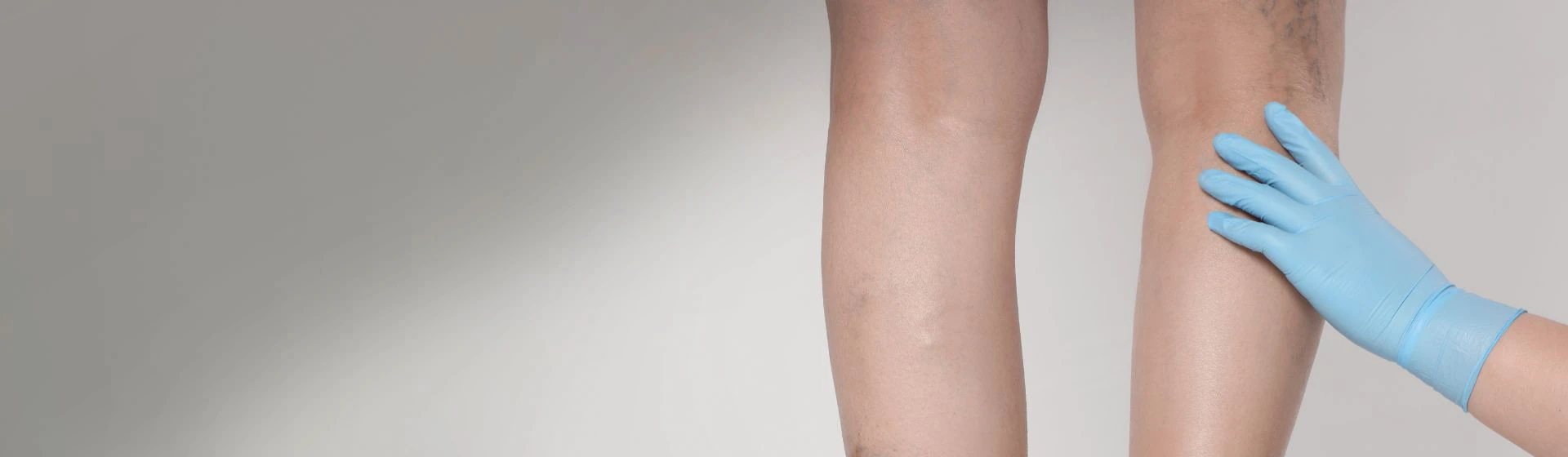
Heaviness in the legs at the end of the day, swelling, a burning sensation, vascular «stars» or noticeable vein enlargement — symptoms that can remain unnoticed for a long time. However, this is often exactly how varicose veins in the legs begin — a disease that can gradually progress and lead to complications.

At the «Oxford Medical» medical center, treatment of varicose vein enlargement is carried out using modern minimally invasive techniques. Timely consultation with a doctor helps reduce symptoms, improve venous blood circulation and lower the risk of developing complications. Make an appointment for a consultation at a time convenient for you through the online appointment form on the website or by the contact center phone number.

What Is Varicose Veins

Varicose veins — are a chronic disease of the veins in which the vessels enlarge, lose normal tone, and the venous valves stop working fully. Because of this, blood partially stagnates in the veins of the lower limbs, and the load on the vascular system gradually increases.

Most often, varicose vein enlargement develops specifically in the legs, since the veins of the lower limbs experience significant load every day during walking, prolonged standing or sitting. The disease can progress gradually: from the appearance of vascular «stars» and discomfort to pronounced changes in the veins and impaired venous blood circulation.

According to National Institute for Health and Care Excellence (NICE), varicose disease is one of the most common chronic vascular diseases in adults. It requires timely diagnosis to prevent complications.

Why Varicose Veins Occur

The main cause of the development of varicose veins is impaired function of the venous valves and weakening of the vessel walls. Normally, the valves help blood move in the direction toward the heart, but when they are insufficient, part of the blood stagnates in the veins. Due to the constant increase in pressure, the vessels gradually expand, lose elasticity and become deformed.

The risk of developing the disease is increased by:

  • hereditary predisposition to weakness of the vascular wall;
  • a sedentary lifestyle or prolonged staying in a standing or sitting position;
  • excess weight, which increases the load on the veins of the lower limbs;
  • pregnancy and hormonal changes;
  • chronic constipation, which can contribute to increased intra-abdominal pressure and worsening of venous outflow;
  • intense physical exertion or lifting heavy objects;
  • age, since over the years the elasticity of the vessels gradually decreases.

In most patients, the disease develops gradually under the influence of several factors at once. For example, hereditary predisposition may be combined with sedentary work, insufficient physical activity or increased load on the legs. That is why the risk of developing varicose veins of the lower limbs often increases with age or with prolonged influence of provoking factors.

Types of Varicose Veins and Stages

Varicose vein enlargement may differ by the localization of the affected vessels and the degree of impairment of venous blood circulation. During the examination, the doctor assesses which veins are involved in the pathological process, how pronounced the symptoms are and whether there are signs of complications. This helps determine the stage of the disease and choose the optimal treatment tactics.

The main types of varicose veins:

  • varicose veins of superficial veins — the most common form of the disease, in which the subcutaneous veins of the lower limbs are affected;
  • varicose veins of deep veins — associated with impaired blood circulation in the deep venous system and requires thorough vascular diagnostics;
  • combined — a combination of damage to superficial and deep venous vessels.

Several stages are conditionally distinguished in the development of the disease:

Stage

Main manifestations

Varicose veins stage 1

Vascular «stars», heaviness in the legs, periodic discomfort or swelling at the end of the day may appear.

Stage 2 of varicose veins

The veins become more noticeable, cramps, pain, burning or a feeling of bursting in the legs may occur.

Stage 3

Persistent swelling, discomfort during walking and initial skin changes appear.

Stage 4 of varicose veins

Pronounced disorders of venous blood circulation, darkening and thickening of the skin, trophic changes and a high risk of complications are possible.

The doctors of «Oxford Medical» recommend not waiting for the appearance of pronounced vein changes or pain. The earlier the patient consults a specialist, the more opportunities there are to carry out treatment using minimally invasive methods and reduce the risk of disease progression.

Varicose Veins in the Legs:
Symptoms of the Disease

In the initial stages, the symptoms of varicose veins may be barely noticeable.
Often the first changes appear after prolonged standing, sitting or physical
exertion.

The main signs of varicose veins:

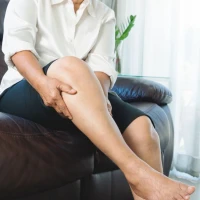
heaviness, fatigue or a feeling of bursting in the legs, especially at the end of the day;

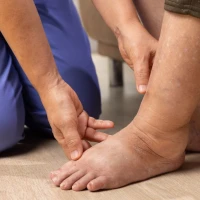
swelling in the area of the lower legs and feet, which may decrease after rest;

noticeable enlarged veins on the legs, vascular «stars» or tortuous subcutaneous vessels;

cramps, burning, pain or itching in the area of the veins, especially after prolonged standing.

List of diseases

Main Contraindications for Varicose Veins

With varicose vein enlargement, it is important not only to undergo treatment, but also to avoid factors that can worsen venous blood circulation and accelerate the progression of the disease. This especially applies to patients who already have swelling, pain, cramps or pronounced vein changes.

Main contraindications for varicose veins:

  • prolonged staying in a standing or sitting position without movement, which increases venous stagnation;
  • excessive physical exertion associated with lifting heavy weight or a sharp increase in intra-abdominal pressure;
  • overheating of the legs — hot baths, saunas or prolonged staying under intense sun can contribute to vein enlargement;
  • wearing tight clothing and shoes that worsen blood circulation in the lower limbs;
  • self-treatment without consultation with a doctor, especially the use of ointments or procedures without a confirmed diagnosis;
  • prolonged ignoring of disease symptoms and refusal of recommended treatment.

The doctors of «Oxford Medical» recommend not limiting yourself only to lifestyle changes if the symptoms of varicose veins are already progressing. Timely consultation with a specialist helps assess the condition of the veins and choose the optimal treatment tactics depending on the stage of the disease.

Diagnosis of Varicose Vein Enlargement

During the consultation, the phlebologist clarifies the symptoms, duration of the disease, presence of hereditary predisposition, previous thromboses and risk factors. After the examination, additional examination methods may be prescribed:

  • Dopplerography of the veins of the lower limbs — helps assess the condition of the veins, blood flow characteristics and the function of the venous valves;
  • laboratory tests — may be prescribed to assess blood clotting and exclude concomitant disorders;
  • consultations with related specialists — if necessary, the doctor may recommend an additional examination by a vascular surgeon or other doctors.

According to Society for Vascular Surgery, ultrasound examination of the veins is the main method of diagnosing varicose disease, as it helps assess the condition of the venous system and detect blood flow disorders even in the early stages of the disease.

How Varicose Veins Are Treated: Main Methods

The tactics of treating varicose disease depend on the stage of the disease, the condition of the veins, the severity of symptoms and the presence of complications. In the early stages, conservative methods may be used, but with pronounced vein changes, minimally invasive procedures are considered the most effective. Modern technologies allow treatment to be performed without large incisions, prolonged hospitalization and long recovery.

The patient may be recommended:

  • compression therapy — the use of special knitwear to improve venous outflow and reduce symptoms of venous insufficiency;
  • medication therapy — medications to reduce heaviness, swelling, discomfort and support venous tone;
  • sclerotherapy — a minimally invasive procedure during which a special medication is injected into the altered vein, which promotes gluing of the vessel;
  • endovenous laser coagulation — a modern treatment method in which the affected vein is closed using laser energy without large skin incisions;
  • radiofrequency coagulation — a treatment method based on the effect of radiofrequency energy on the venous wall to stop blood flow;
  • adhesive obliteration of veins — a minimally invasive technique in which the lumen of the vessel is closed using a special medical adhesive;
  • miniphlebectomy — removal of altered veins through small skin punctures;
  • classical phlebectomy — surgical removal of affected veins, which may be used in complex forms of the disease.

According to National Institute for Health and Care Excellence (NICE), modern minimally invasive methods help carry out effective treatment of varicose veins with less tissue trauma and a shorter recovery period compared with classical operations. Most minimally invasive procedures are performed in day hospital conditions and do not require prolonged hospitalization. After treatment, the patient can usually return to everyday activity within a short time.

The doctors of «Oxford Medical» recommend not trying to treat varicose veins independently using only ointments or compresses. The effectiveness of therapy depends on the correct determination of the stage of the disease and the condition of the venous system. That is why the optimal treatment method is selected individually after the examination.

Why Varicose Veins Are Dangerous: Possible Complications

Without timely treatment, varicose disease can gradually progress and lead not only to cosmetic changes, but also to serious disorders of venous blood circulation. The risk of complications usually increases with a prolonged course of the disease, absence of treatment or significant vein enlargement.

Possible complications of varicose veins:

  • chronic venous insufficiency — a disorder of venous outflow that is accompanied by constant heaviness, swelling and discomfort in the legs;
  • inflammation of the venous wall — may manifest as pain, thickening and redness in the area of the affected vessel;
  • trophic skin changes — darkening, thickening, dryness of the skin and impaired tissue nutrition;
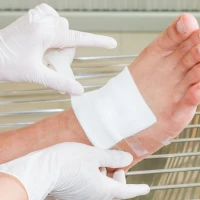
  • formation of trophic ulcers — chronic wounds that do not heal for a long time and may be complicated by infection;
  • bleeding from damaged varicose-altered veins;
  • deep vein thrombosis — a dangerous complication in which a thrombus forms in the lumen of the vein, which can impair blood circulation and requires urgent medical care.

According to Society for Vascular Surgery, absence of treatment for varicose veins in the legs can lead to chronic disorders of venous blood circulation and the development of trophic changes in the lower limbs.

The doctors of «Oxford Medical» recommend not postponing treatment when swelling, pain, cramps or pronounced vein enlargement appear. Timely consultation with a specialist helps reduce the risk of complications and control the progression of the disease.

Prevention of Varicose Vein Enlargement

Prevention of varicose vein enlargement helps reduce the load on the vessels of the lower limbs, improve venous blood circulation and lower the risk of disease progression.

To support vascular health, doctors recommend:

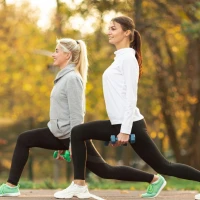
  • maintaining regular physical activity — walking, swimming, moderate cardio loads;
  • avoiding prolonged sitting or standing without movement;
  • controlling body weight and the level of physical load;
  • wearing comfortable shoes and avoiding prolonged use of high-heeled shoes;
  • using compression knitwear according to the doctor’s recommendation;
  • controlling the diet regimen and water balance;
  • following lifestyle recommendations in case of hereditary predisposition to venous diseases.

Diet also plays an important role in varicose veins. A diet with a sufficient amount of fiber, vegetables, fruits and products containing vitamins C and E helps maintain the normal condition of the vascular wall and reduce the risk of constipation, which can worsen venous outflow.

The doctors of «Oxford Medical» recommend not waiting for pronounced symptoms of the disease to appear. Timely prevention of varicose vein enlargement is especially important for people with hereditary predisposition, a sedentary lifestyle or increased load on the legs.

What Is the Price of Treatment for Varicose Veins of the Lower Limbs in Kyiv at the «Oxford Medical» Clinic

The cost of treatment for varicose disease depends on the stage of the disease, the severity of vein changes and the chosen treatment method. At the «Oxford Medical» clinic, patients can receive comprehensive medical services — from consultation with a specialist and diagnostics to modern minimally invasive or surgical treatment of varicose disease.

You can view the price of doctors’ consultation here. During the appointment, the doctor will guide you in more detail regarding the program and cost of treatment. To make an appointment for a consultation at a time convenient for you, leave a request through the online appointment form or contact the contact center by phone.

The information is for informational purposes and does not replace a doctor’s consultation.

Sources:

Frequently asked questions

Which Doctor Treats Varicose Vein Enlargement?

A phlebologist or vascular surgeon treats varicose vein enlargement. The doctor conducts an examination, assesses the condition of venous blood circulation and, if necessary, prescribes ultrasound diagnostics of the vessels, after which they prepare a treatment program.

Can Varicose Veins Be Treated?

Modern methods allow effective control of the manifestations of varicose disease and elimination of altered veins. Treatment tactics depend on the stage of the disease, the severity of symptoms and the condition of the venous system. The earlier the patient consults a doctor, the more opportunities there are to carry out treatment using less traumatic methods and reduce the risk of complications.

Can Varicose Veins Be Cured Without Surgery?

In the early stages of the disease, compression therapy, medication treatment and minimally invasive procedures may be used. At the same time, treatment tactics are always selected individually. Treating varicose veins in the legs independently without examination and a doctor’s recommendations is not recommended, since this may lead to progression of the disease.

How to Distinguish Varicose Veins from Thrombosis?

With varicose veins, heaviness in the legs, swelling, vascular «stars» and gradual enlargement of the vessels are more often observed. At the same time, deep vein thrombosis usually develops acutely and may be accompanied by sharp pain, pronounced swelling, tissue thickening and a change in skin color. Ultrasound examination of the vessels helps accurately distinguish these conditions.

Are Vascular «Stars» Varicose Veins?

Vascular «stars» may be an early manifestation of impaired venous blood circulation, but they do not always indicate pronounced varicose disease. In some cases, they are predominantly cosmetic in nature. At the same time, when a vascular network, swelling or discomfort in the legs appears, it is worth undergoing an examination to assess the condition of the veins and exclude early varicose veins.

Is Varicose Veins Inherited?

Hereditary predisposition is one of the main risk factors for the development of varicose disease. If close relatives had problems with vessels, the risk of weakening of the vascular wall and impaired function of the venous valves may be higher. At the same time, the development of the disease also depends on lifestyle, physical activity, body weight and the level of load on the legs.

Can You Steam Your Legs with Varicose Veins?

With varicose vein enlargement, overheating of the legs is usually not recommended. Hot baths, saunas or prolonged thermal load can increase vessel enlargement, swelling and a feeling of heaviness in the legs. In the presence of pronounced symptoms or complications, the issue of thermal procedures is better discussed with a doctor after assessing the condition of the venous system.

Can Laser Hair Removal Be Done with Varicose Veins?

The possibility of performing laser hair removal depends on the stage of varicose disease, the condition of the skin and the severity of vein changes. In the presence of large varicose-altered vessels, inflammation or trophic changes, the procedure may be temporarily not recommended. Before laser hair removal, it is advisable to consult a phlebologist and assess the condition of the veins of the lower limbs.

Can You Drink Coffee with Varicose Veins?

Moderate coffee consumption is usually not prohibited with varicose disease. At the same time, excess caffeine can affect vascular tone and the body’s water balance. Patients with swelling, high blood pressure or pronounced discomfort in the legs are recommended to observe moderation and maintain a sufficient level of fluid intake throughout the day.

( Rating: 4.98 , Votes: 119 )
Our services
Consultations
Consultation with a vascular surgeon
1100.00 ₴
Order
Consultation with a leading vascular surgeon
1989.00 ₴
Sign up by the call center

Advantages of the phlebology department at "Oxford Medical" in Kyiv

Modern diagnostics without queues. Latest ultrasound machines and the ability to get tested on the day of the visit.

Experienced phlebologists and vascular surgeons. Skilled doctors who follow modern treatment protocols.

Minimally invasive treatment without incisions. Laser, glue obliteration, and radiofrequency methods without hospitalization.
Surgical facility within the clinic. Possibility to perform miniphlebectomy and classic surgery.

Reviews
Ірина 26.05.2026
Привозила чоловіка до Дмитра Васильовича після невдалого лікування в іншому місці. Лікар змінив лікування і стан чоловіка помітно покращився. Дякую.
Star Star Star Star Star
Руслан 25.05.2026
Звернувся до Андрія Вадимовича через проблему, яка вже почала серйозно заважати нормально жити. Лікар швидко розібрався в ситуації, усе пояснив і підібрав лікування. Уже через кілька днів стало значно легше.
Star Star Star Star Star
Current information
All Articles
Sign up via call center
in the clinic
online
This site is protected by reCAPTCHA technology, and the Google Privacy Policy and Terms of Service apply.
Hello!
Let's take care
about your health:
Sign up via call center

We use cookies and other technologies to remember your preferences and find out exactly how you use and interact with the site.

By using our site, you also agree to the terms of the "User Agreement" and "Regulation on the processing and protection of personal data". By clicking "I AGREE", you consent to the processing of your data.