


A patented titanium-zirconium alloy provides significantly greater strength than standard titanium. This allows for the use of smaller-diameter implants in areas with thin bone, reducing the need for bone grafting, and shortening treatment time.
Sign up via call center 
 Adults Adults Adults Adults Adults Adults Adults Adults Adults
  Children Children Children Children
Department
Adults Outpatient department
Adults Outpatient department
Inpatient department
Adults Inpatient department
Aesthetic medicine
Adults Aesthetic medicine
Dentistry
Adults Dentistry
Plastic surgery
Adults Plastic surgery
Diagnostics
Adults Diagnostics
Analyzes
Adults Analyzes
Outbound services
Adults Outbound services
Children Outpatient department
Children Outpatient department
Dentistry
Children Dentistry
Diagnostics
Children Diagnostics

Kyiv


 Hotline:
 Request a call:


Department
Adults Outpatient department
Adults Outpatient department
Inpatient department
Adults Inpatient department
Aesthetic medicine
Adults Aesthetic medicine
Dentistry
Adults Dentistry
Plastic surgery
Adults Plastic surgery
Diagnostics
Adults Diagnostics
Analyzes
Adults Analyzes
Outbound services
Adults Outbound services
Children Outpatient department
Children Outpatient department
Dentistry
Children Dentistry
Diagnostics
Children Diagnostics
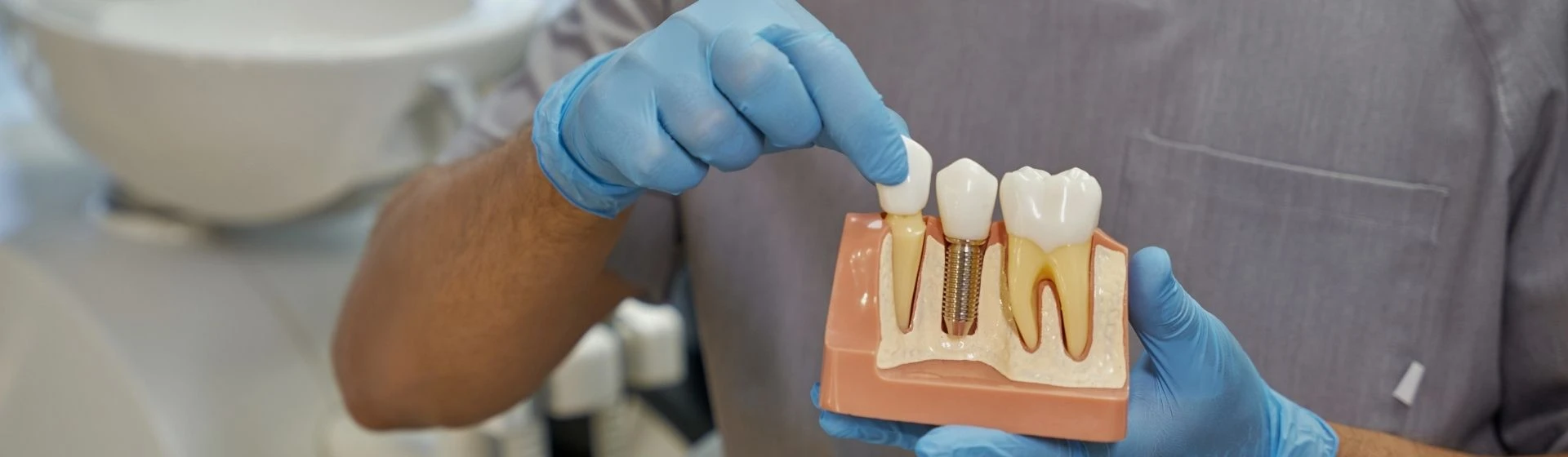
Straumann implants
Restoring lost teeth is an important step in maintaining health, comfortable chewing and overall quality of life. Modern implant technologies allow you to get a result that is as close to natural as possible. Among all implant systems, Straumann (Switzerland) is particularly trusted by dentists and patients - premium implants with high biocompatibility, which provide a reliable and long-lasting result.
At Oxford Medical Dentistry, we use modern implantation protocols: we conduct comprehensive diagnostics on expert-class equipment, use digital planning and produce individual surgical templates. Thanks to this, as well as the use of high-quality implants, such as Straumann, our doctors successfully perform implantation even in complex clinical cases.
Make an appointment with a dentist at a time convenient for you - the doctor will conduct an examination, assess the clinical situation and select the optimal solution for tooth restoration.
Why Straumann implants are considered one of the best in the world
The Straumann company has been developing implants since 1974. The quality and effectiveness of these implants are confirmed by a 40-year evidence base. Thanks to the precision of Swiss production and the constant introduction of innovations, the Straumann dental implant system has earned the trust of doctors and patients all over the world. Today, more than 14 million Straumann implants have been installed in 70 countries.
The main advantages of Straumann implants are:
- Premium Roxolid material. The alloy of titanium and zirconium provides 35% greater strength than pure titanium, allows the use of implants of a smaller diameter and reduces the need for bone grafting.
- Accelerated osteointegration. The specially treated surface of implants promotes fast and stable implantation, which reduces the duration of treatment and increases the predictability of results.
- Proven efficiency. More than 700 clinical studies confirm the high success rate of implantation and long-term stability of structures.
- High biocompatibility. Implant materials do not cause irritation and integrate well with bone tissue, which reduces the risk of rejection.
- Accuracy and quality of Swiss production. Strict quality control standards and the use of innovative technologies ensure the durability of implants.
- A wide catalog of models. A variety of models allows the use of Straumann implants in both standard and complex cases, including bone deficiency.
Types of Straumann dental implants
Straumann dental implants are available in several lines, each designed for specific clinical situations. This approach allows for the optimal solution to be selected for patients with varying jaw anatomy, bone volume, and aesthetic and functional implant requirements.
The main types are:
Straumann Roxolid implants
Implants with SLActive surface
Their hydrophilic surface accelerates the process of osseointegration—the healing of the implant. This reduces the risk of complications and shortens the healing time by almost half compared to standard surfaces.
Bone Level implants
They are used in aesthetically important areas where natural gum contouring is essential. They ensure a smooth transition between the crown and the mucous membrane and a high level of aesthetics.
Tissue Level implants
They are especially reliable in chewing areas. Their design features reduce the risk of peri-implantitis, facilitate hygiene, and ensure a durable connection between the implant and the surrounding tissue.
Indications for dental implantation using the Straumann system
Dental implantation using the Straumann system is recommended for patients who have lost a tooth or have indications for its removal due to significant destruction. This is one of the most effective ways to restore the function and aesthetics of the dentition without harming adjacent teeth, since the implant takes the load and does not require grinding down natural tissue.
Indications include:
- absence of one tooth;
- a defect in the form of the loss of several teeth in a row;
- complete loss of teeth (it is possible to restore the dentition using the All-on-4 or All-on-6 protocols);
- inability or unwillingness to use removable dentures;
- the need to avoid Grinding down healthy teeth during orthopedic treatment;
- High aesthetic demands on the appearance of a smile.
Preparing for implant placement
Preparation for implantation at the Oxford Medical clinic begins with a consultation, during which the doctor assesses the condition of the teeth, gums, mucous membranes, and bite. Next, a comprehensive diagnosis is performed, which allows for treatment planning to be as accurate and safe as possible.
The preparatory stage includes:
- computed tomography to assess bone volume, height, and density;
- digital 3D planning, which allows for precise determination of the optimal implant position, taking into account anatomy and the future orthopedic structure;
- assessment of the oral cavity and elimination of inflammation - If necessary, we treat caries in the implantation area, treat gum disease, and perform professional hygiene to minimize the risk of complications;
- we create a custom surgical template to ensure the most accurate implant placement in accordance with the digital plan.
How are Straumann implants installed: single-stage and two-stage implantation
There are two main approaches to implantation: placing the implant immediately after tooth extraction (single-stage implantation) or fixing the implant after the socket has healed. Additionally, the dentist chooses one of the surgical protocols: one-stage or two-stage. The decision depends on the condition of the bone tissue, the presence of inflammation, the primary stability of the implant, and the overall treatment plan. Both protocols are medically sound and widely used in modern dentistry.
One-stage implantation
With the one-stage technique, the implant and healing abutment or abutment are placed on the same day, during a single surgical procedure. The implant is immediately brought into the oral cavity, so a repeat incision is not required in the future.
A one-stage protocol is used when:
- the bone tissue is sufficient in volume and density;
- the implant achieves high primary stability;
- there is no active inflammation in the surgical area;
- bone grafting was not performed or was minimal;
- implants with modern surfaces (e.g., SLActive) are used, which speed up the process Osseointegration.
Advantages: fewer surgical interventions, shorter overall treatment time, faster transition to the orthopedic stage.
Two-stage implantation
With the two-stage technique, the implant is completely covered with mucous membrane after placement and left to heal without chewing. The abutment is installed only after the osseointegration period is complete.
A two-stage protocol is chosen when:
- the bone tissue is insufficient in volume or density;
- bone grafting or sinus lifting is performed simultaneously;
- the implant is placed in an area of increased chewing load;
- it is necessary to minimize risks in complex clinical cases.
Advantages: maximum predictability of the result and safety with reduced bone resources.
Stages of Straumann implantation
Surgical stage on the day of surgery
The procedure is performed under local anesthesia or sedation. The doctor creates a bone graft according to the digital planning and places the implant. Sutures are then placed or a healing abutment is immediately placed, depending on the chosen surgical protocol.
The period of engraftment (osseointegration)
The implant gradually integrates with the bone tissue. This process can take anywhere from several weeks to several months, depending on the type of implant, bone density, and overall health. During this time, the patient undergoes routine checkups.
Abutment installation
The abutment is installed on the day of implantation (for the single-stage, one-step technique) or after the healing period (for the two-stage protocol). It forms the correct gum contour and serves as the connecting link between the implant and the future crown.
Manufacturing and fixation of the crown
After the abutment is installed, an intraoral scan or impression is taken. Based on these data, a custom-made crown is fabricated and secured to the abutment. The dentist checks the occlusion of the teeth and provides recommendations for implant care.
Straumann implants: prices at the private clinic "Oxford Medical"
The cost of Straumann implants may vary depending on the model selected. It's important to keep in mind that implant placement is a multi-stage process, so the final cost may be higher. You can check the price of Straumann implants in advance here. Your dentist will provide you with more detailed information after an examination and diagnosis. If necessary, they can also provide a complete price estimate for your Straumann implant.
Schedule a consultation – we will explain the options of Straumann implants in detail and help you choose the best solution.
Frequently asked questions
How long does it take for Straumann implants to take root?
Implant implantation depends on bone density and individual characteristics of the body, but on average it takes from 6 to 12 weeks. Due to high biocompatibility and surface treatment, implants quickly integrate with bone tissue. The final time frame is determined by the doctor after diagnosis.
Can Straumann implants cause allergies?
Allergic reactions to titanium implants are extremely rare, as the material is highly biocompatible. Pure titanium or alloys that do not cause irritation are used in production. If the patient has a tendency to allergies, the doctor can conduct additional tests and choose the safest option.
What are the contraindications for installing Straumann implants?
You cannot have a Straumann implant if you have uncontrolled diabetes, immunodeficiencies, severe chronic diseases in the acute phase, blood diseases and oncological pathologies. Relative contraindications are smoking, pregnancy or insufficient bone mass. Before the procedure, the doctor conducts a health assessment and determines individual risks.
Dentistry
Dental cleaning | Dental hygiene
Show more 
Our services
Consultations

Dentist consultation
1.00 ₴
Add Added 
Services
Installation of intraosseous implant ''Straumann BLT/BLX'' (with anesthesia)
29300.00 ₴
Sign up by the call center
Installation of intraosseous implant ''Straumann BLT/BLX SLA Active'' (with anesthesia)
34750.00 ₴
Sign up by the call center
Installation of an intraosseous implant ''ICX'' (with anesthesia)
13100.00 ₴
Sign up by the call center
Installation of intraosseous implant ''Megagen Any One'' (with anesthesia)
15100.00 ₴
Sign up by the call center
Installation of the intraosseous implant ''Megagen Any Ridge'' (with anesthesia)
18900.00 ₴
Sign up by the call center

Advantages of installing Straumann implants in Kiev at Oxford Medical Dentistry

Digital planning and precision. We use 3D diagnostics and surgical templates for the most predictable results.
Experienced implant surgeons. Our doctors use international Straumann protocols and perform implant procedures of any complexity.
Premium materials and technologies. The use of original Straumann implants ensures high stability, rapid healing, and durability.
Comfort and safety of treatment. Anesthesia, sedation, modern equipment, and strict sterility control guarantee a comfortable and safe procedure.
Show more 
Our doctors
 4.96
4.96  16+
16+ Dental surgeon-implantologist, maxillofacial surgeon of the I st category
 16+ Years of experience
 Consultation 1100
 Kyiv, Pavlivska St., 26/41
 5 6+
5 6+ Dental implant surgeon, maxillofacial surgeon.
6+ Years of experience Consultation 1
Make an appointment  4.86 12+
  5 7+
5 7+ Dentist-surgeon, implantologist
7+ Years of experience Consultation 1
Kyiv, Pavlivska St., 26/41 
Reviews
Ганна 22.01.2026
Дуже вдячні лікарю, адміністрації, всій команді. Приїхали у Київ на операцію з Запоріжжя. У день операції у клініці було відсутнє живлення через масовані обстріли на енергосистему. Колектив з порозумінням сприйняв нашу ситуацію, приїзд за важких умов, професійно організували оперування в іншій кліниці. Ви команда професіоналів! Дякуємо!

Катерина 15.01.2026
Віталіна Павлівна дуже уважно поставилася до моєї ситуації. Працює дуже акуратно, не було жодного відчуття страху. Після лікування нарешті зник дискомфорт, за що їй щиро вдячна.
Current information


23 December 2025
What causes jaw pain if your teeth are healthy? What your regular dentist won't tell...
07 July 2025
When Should You Get Root Canals Treated?
03 April 2025
Innovative zoom 4 teeth whitening system from philips
15 August 2023
Modern technologies in dentistry: overview and application
Sign up via call center
 in the clinic
  online

 Hello!
Let's take care
about your health:
Sign up via call center 
