Sign up via call center
Department
Metal-ceramic dental prosthetics in private dentistry Oxford Medical Kyiv

Ceramic crowns

Ceramic crowns are orthopedic restorations used to restore teeth with significant damage when conventional fillings are no longer sufficient. A crown completely covers the tooth, protects it from further destruction, and helps restore chewing function and the aesthetics of the smile.

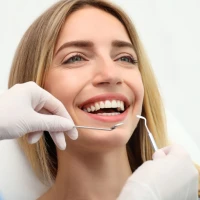
One of the key advantages of ceramic crowns is their excellent aesthetic properties. Ceramic material accurately replicates the natural color and translucency of tooth enamel, making the crown look harmonious and indistinguishable from adjacent teeth. For this reason, ceramic crowns are often chosen not only for posterior teeth but also for the anterior region.

At «Oxford Medical» Dental Clinic, ceramic crown restorations are performed in accordance with modern clinical protocols. The clinic is equipped with expert-class technology, and only high-quality certified materials are used. Treatment is provided by experienced dentists with many years of clinical practice who manage cases of varying complexity.

Our main goal is to help you restore the health and beauty of your smile. Schedule a dental consultation to receive personalized recommendations.

Types of Ceramic Crowns

Modern prosthetic dentistry uses several types of ceramic crowns that differ in manufacturing method, strength, and aesthetic properties. The choice of a specific option depends on the clinical situation, tooth location, bite condition, and individual aesthetic requirements.

Main types include:

  • Pressed ceramic crowns - manufactured using high-temperature pressing technology, providing precise fit and a natural appearance. These restorations accurately replicate tooth anatomy and are most often used in the smile zone.

  • All-ceramic crowns - produced using CAD/CAM technologies with digital modeling of the future restoration. This allows precise consideration of tooth shape, occlusal contacts, and bite characteristics, resulting in a predictable functional and aesthetic outcome.

In each case, the type of restoration is determined by the dentist after examination and diagnostics. The specialist selects the optimal option for tooth restoration, taking into account functional needs and the patient’s aesthetic expectations.

Ceramic Crowns: Indications for Placement

Ceramic crowns are recommended in cases where it is necessary to restore
a significantly damaged tooth.

The main indications include:

extensive tooth destruction when fillings or inlays do not provide a reliable and long-lasting result;

root canal treatment with the need for additional protection and reinforcement to prevent further tooth damage;

pronounced aesthetic defects, including changes in color, shape, or proportions that affect the appearance of the smile;

placement of a dental implant followed by prosthetic restoration to replace a missing tooth.

List of diseases

Contraindications for Ceramic Crown Placement

Despite their wide range of applications, ceramic crowns cannot be placed in all clinical situations.

The main contraindications or limitations include:

  • untreated caries, inflammatory gum diseases, or other pathological processes in the oral cavity that require prior treatment;

  • pronounced bruxism or a habit of strong teeth clenching, in which excessive load may lead to damage of the ceramic restoration;

  • significant bite disorders without prior correction, which prevent even distribution of chewing forces;

  • insufficient volume or strength of the natural tooth tissues.

In most cases, these contraindications are temporary. After the necessary treatment or bite correction, the dentist may reconsider the possibility of prosthetic treatment and select the most appropriate option.


Ceramic Crown: Pros and Cons

Ceramic crowns are primarily valued for their combination of high strength and excellent aesthetics. At the same time, when choosing this type of prosthetic restoration, it is important to consider both its advantages and certain limitations.

Advantages

  • natural appearance, allowing a ceramic crown to blend harmoniously with surrounding teeth and remain indistinguishable in the smile;

  • metal-free structure, which helps maintain the natural color of the gums without darkening;

  • precise fit that ensures restoration stability and comfort during chewing.

Thanks to these properties, ceramic crowns provide an aesthetic and functional result that remains durable with proper care.

Disadvantages and limitations

  • sensitivity to excessive load, especially in patients with habits of teeth clenching or grinding;

  • the need for a sufficient amount of natural tooth structure to ensure reliable fixation of the crown.

For this reason, the decision to place ceramic crowns is always made on an individual basis. The dentist assesses the condition of the oral cavity, the bite, and the overall clinical situation to ensure that prosthetic treatment is effective and long-lasting.

How a Ceramic Crown Is Placed

Prosthetic treatment is a step-by-step process that usually requires several visits to the dentist.

Main stages:

  1. Consultation and diagnostics.
    During the first appointment, the dentist examines the oral cavity and assesses the condition of the tooth, gums, and bite. If necessary, radiological diagnostics are performed, such as computed tomography or an orthopantomogram. This makes it possible to rule out inflammatory processes, evaluate the condition of the root canals, and confirm the feasibility of prosthetic treatment.

  2. Treatment planning.
    After diagnostics, the dentist develops an individualized treatment plan. At this stage, the type of prosthetic restoration, the scope of preparatory procedures, and the sequence of further actions are determined.

  3. Tooth preparation.
    Before crown placement, caries treatment and root canal therapy are performed if required. The tooth is then prepared and shaped to ensure reliable fixation of the restoration. In cases of significant tooth destruction, additional reconstruction of the supporting structure may be necessary.

  4. Digital scanning or impression taking.
    To fabricate the crown, digital intraoral scanning or conventional impressions are taken. The obtained data are used to accurately design the future restoration, taking into account tooth anatomy, bite alignment, and contacts with adjacent teeth. A temporary crown may be placed while the permanent one is being manufactured.

  5. Try-in and fixation.
    The finished crown is tried in to check its fit and occlusion. After verification, the restoration is permanently fixed to the tooth using dental cement.

Following all stages ensures the ceramic crown is placed with consideration of the patient’s individual characteristics and provides a stable and predictable prosthetic outcome.

How long do ceramic crowns last?

The lifespan of ceramic crowns depends on several factors and averages 10–15 years. Durability is influenced by the condition of the natural tooth tissues, the quality of crown fabrication and fixation, bite characteristics, and individual habits of the patient. For example, teeth clenching or bruxism can shorten the service life of the restoration.

Daily oral hygiene also plays a crucial role. Regular tooth brushing, the use of interdental cleaning aids, and professional dental hygiene help maintain healthy gums and prevent complications around the crown. Under these conditions, a ceramic dental crown can remain stable and retain its natural appearance for many years.

Private Clinic Services in Kyiv: How Much Does a Ceramic Crown Cost at «Oxford Medical»?

The cost of a ceramic crown is determined individually and depends on several factors, including the condition of the tooth, the need for preliminary treatment, and the type of crown selected. You can review the prices in advance here. More precise information will be provided by the dentist after an examination and diagnostic assessment.

At «Oxford Medical» Dental Clinic, patients have access to modern prosthetic solutions that meet international standards. We provide medical services in Kyiv using high-quality certified materials and advanced technologies, allowing us to achieve predictable and long-lasting results.

«Oxford Medical» is a network of medical centers located in more than 20 cities across Ukraine. We strive to make high-quality medical care, including dental services, accessible to as many patients as possible.

Frequently Asked Questions

What is the difference between a ceramic crown and a metal-ceramic crown?

A ceramic crown is made without a metal base, which allows it to better replicate the natural color and translucency of a tooth. A metal-ceramic crown has a metal framework that provides strength but may affect aesthetics over time, especially in the gum area. The choice depends on the tooth’s location and aesthetic requirements.

Which crowns are better — zirconia or ceramic?

Zirconia crowns are known for their high strength and are well suited for posterior (chewing) teeth. Ceramic crowns offer superior aesthetic qualities and are more commonly used in the anterior region. The optimal option is determined by the dentist after evaluating the clinical situation.

What should be done if a ceramic crown cracks?

If a crack appears, it is important to consult a dentist as soon as possible. The dentist will assess the condition of the crown and the tooth underneath and determine whether restoration is possible or if the crown needs to be replaced.

Can ceramic crowns be whitened?

Ceramic crowns cannot be whitened because the material does not respond to bleaching agents. If the color of adjacent natural teeth changes, aesthetic concerns are addressed through tooth restoration or replacement of the crown.

Can a ceramic crown be adjusted (filed down)?

Minor adjustment is possible if, after placement, there is a feeling of excessive height or discomfort when biting. This adjustment is performed very carefully using specialized instruments to preserve the crown’s strength and appearance and avoid affecting the bite. In most cases, the correction is minimal and does not require crown replacement.

( Rating: 4.87 , Votes: 46 )
Dentistry
Our services
Consultations
Dentist consultation
1.00 ₴
Add Added
Services
Pressed ceramic crown (with installation)
12500.00 ₴
Sign up by the call center
Clinical fabrication of a temporary plastic crown (with installation)
2750.00 ₴
Sign up by the call center
Crown on the implant "Bicon" without the cost of the abutment (with installation)
12000.00 ₴
Sign up by the call center
Zirconium oxide crown (with installation)
12000.00 ₴
Sign up by the call center
Zirconium oxide-based crown without abutment cost (implant-based, screw-retained)
13500.00 ₴
Sign up by the call center

Advantages of Ceramic Dental Crown Placement at «Oxford Medical» Clinic

Experienced prosthodontic dentists with many years of clinical practice who follow modern clinical protocols.

Expert-class equipment that enables accurate diagnosis of teeth and bite conditions and precise control at every stage of prosthetic treatment.

Use of high-quality certified materials for crown fabrication in compliance with international standards.

Comfortable conditions and high-quality service, as well as a loyalty program for regular patients.

Reviews
Ганна 22.01.2026
Дуже вдячні лікарю, адміністрації, всій команді. Приїхали у Київ на операцію з Запоріжжя. У день операції у клініці було відсутнє живлення через масовані обстріли на енергосистему. Колектив з порозумінням сприйняв нашу ситуацію, приїзд за важких умов, професійно організували оперування в іншій кліниці. Ви команда професіоналів! Дякуємо!
Star Star Star Star Star
Катерина 15.01.2026
Віталіна Павлівна дуже уважно поставилася до моєї ситуації. Працює дуже акуратно, не було жодного відчуття страху. Після лікування нарешті зник дискомфорт, за що їй щиро вдячна.
Star Star Star Star Star
Current information
All Articles
Sign up via call center
in the clinic
online
This site is protected by reCAPTCHA technology, and the Google Privacy Policy and Terms of Service apply.
Hello!
Let's take care
about your health:
Sign up via call center

We use cookies and other technologies to remember your preferences and find out exactly how you use and interact with the site.

By using our site, you also agree to the terms of the "User Agreement" and "Regulation on the processing and protection of personal data". By clicking "I AGREE", you consent to the processing of your data.