
Sign up via call center
Department
Jaw bone augmentation in private dentistry Oxford Medical Kyiv

Bone augmentation of the jaw

Jaw bone augmentation in Kiev

Modern implantology opens up wide opportunities for tooth restoration even in difficult cases. But tooth loss is accompanied by another problem - atrophy of the jaw bone. If the jaw bone has lost sufficient volume or height, implantation becomes impossible without an additional procedure - bone augmentation. At the Oxford Medical Dentistry in Kyiv, we use modern bone augmentation techniques for effective and safe preparation for implantation.

Make an appointment with an experienced dental surgeon at the Oxford Medical Clinic to find out if you need the procedure and how it can be performed with maximum efficiency.

What is bone augmentation?

Bone augmentation is a surgical procedure that restores the volume and density of the jaw bone using natural or synthetic materials. Its main goal is to create sufficient support for the placement of a dental implant.

Normally, the bone tissue of the teeth receives constant stress from the masticatory muscles. After tooth loss, this stimulation disappears, and the tissue gradually resorbs. The process can begin after just a few months and leads to serious atrophy. Augmentation helps compensate for this loss.

Types of jaw bone augmentation

Several methods of osteoplasty are used in dentistry, which are selected depending on the localization of the deficiency, its volume and the anatomical features of the patient's jaw. At «Oxford Medical» dentistry, we individually select the type of intervention after a preliminary examination.

Sinus lift

This is the most common method of restoring bone in the posterior part of the upper jaw. The essence of the procedure is to raise the floor of the maxillary sinus with subsequent bone filling (introduction of bone material). There are two types of sinus lifting:

  • open - performed with significant bone deficiency, through a lateral approach;

  • closed - less invasive, used with minor atrophy.

This method allows you to restore sufficient volume for implant placement even with a serious decrease in the height of bone tissue.

Lateral augmentation

The method is used when there is a lack of jawbone width. Bone material is injected through a lateral approach, which restores the horizontal volume. It is often used in the anterior jaw area, where aesthetics are important. After the formation of a new volume, implantation can be performed after 4-6 months.

Vertical augmentation

It is used in cases of insufficient bone height. This is a technically complex procedure that requires high precision and experience of the surgeon. Blocks or combined materials can be used for augmentation.

Guided Bone Regeneration (GBR)

The method consists in stimulating bone growth using a special protective membrane that isolates the defect area from the soft tissues. A favorable environment for the formation of new bone tissue is formed under the membrane. GBR is used for spot augmentation or as an additional technique to sinus lifting or augmentation.

Building blocks

This method involves fixing a dense fragment of tooth bone (own or donor) in the area of ​​deficiency. Blocks provide strong support and retain their shape well, so they are suitable for large defects. They require a longer healing period, but provide a reliable foundation for implantation.

When is bone augmentation necessary?

Most often, bone augmentation for implantation is required in the upper jaw
in the area of ​​the maxillary sinuses (sinus lift is performed) or in the anterior area of ​​the lower jaw.

The augmentation procedure is indicated in the following cases:

after a long absence of a tooth, when the volume of the jawbone has decreased

with congenital anatomical features (thin or underdeveloped bone)

after injuries, inflammatory processes or cyst removal

in cases of loss of several teeth in a row

when re-implanting after a failed previous attempt

List of diseases

What materials are used for bone augmentation?

In dentistry «Oxford Medical» only certified and safe materials are used:

  • Autogenous bone — the patient's own tissue taken from another part of the jaw;

  • Allogeneic bone — donor material that undergoes sterilization;

  • Xenogeneic bone — of animal origin, well replaces lost volume;

  • Synthetic or artificial bone — biocompatible materials that actively stimulate osteogenesis.

How is bone augmentation for implantation done?

The osteoplasty procedure consists of several stages and requires careful planning. At Oxford Medical Dentistry, all procedures are performed taking into account the individual characteristics of the patient.

Diagnostics and planning

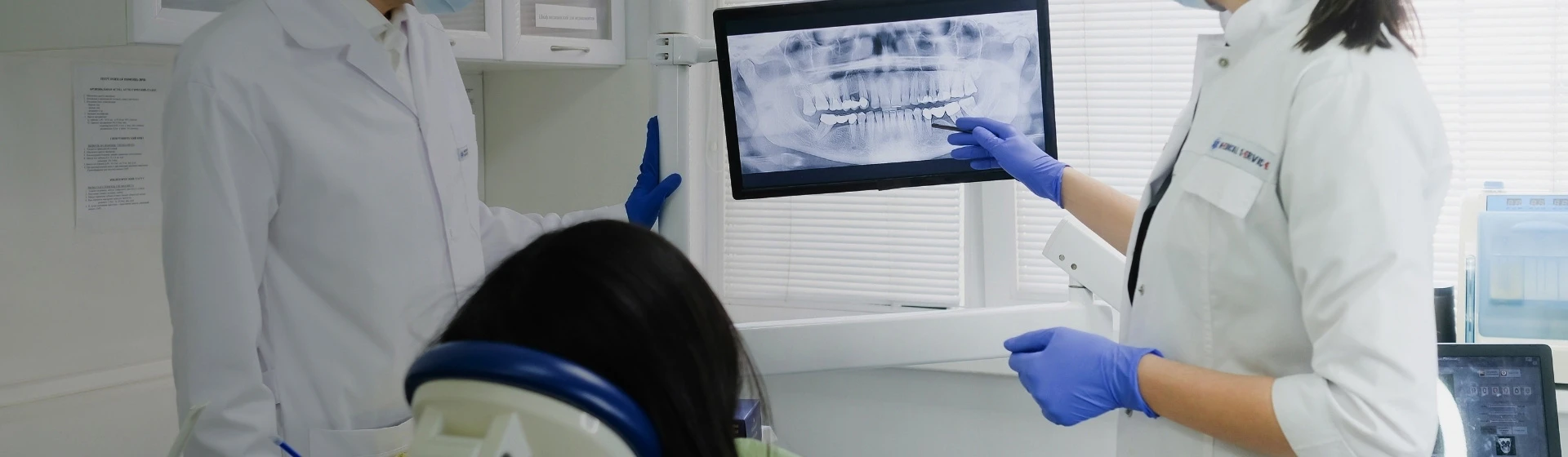
Before the procedure, a panoramic radiograph or computed tomography scan is performed. This allows for an assessment of bone volume, identification of defects, and determination of the best method of osteoplasty.

Performing the operation

Under local anesthesia, the surgeon creates access to the bone, injects osteoplastic material (autogenous, donor, xenogeneic, or synthetic) and fixes it with a membrane or screws. Then, sutures are applied.

Healing and osseointegration

The material fully fuses with the patient's bone within 4–6 months. At this stage, it is important to follow the doctor's recommendations and undergo regular check-ups.

Implantation

After successful restoration of bone volume, an implant is placed.

Recovery period after bone augmentation

The recovery period lasts an average of 4 to 6 months, depending on the extent of the intervention, the selected material and the individual characteristics of the patient.

What happens after the operation:

  • The first 3-5 days may be accompanied by swelling, discomfort in the area of ​​the intervention, minor bleeding or soreness. This is a normal reaction of the body to surgical intervention.

  • The active phase of healing of the mucous membrane lasts up to 2 weeks. During this period, it is important to avoid irritation of the area and follow all the recommendations of the dentist.

  • After 1-2 months, the bone material begins to integrate into the structure of the jaw. Usually, a control examination is performed at this stage.

  • After 4-6 months, the material is completely replaced by newly formed bone — after this, it is possible to install an implant.

Recommendations after jaw bone augmentation

To ensure that the bone integrates well and there are no complications, you should follow these tips:

  • avoid physical exertion in the first 5-7 days;

  • do not eat hot food during the day;

  • refrain from smoking and drinking alcohol;

  • carefully observe oral hygiene;

  • take medications prescribed by the dentist;

  • attend regular check-ups.

Following the recommendations is the key to successful recovery.

Contraindications to jaw bone augmentation

The procedure is contraindicated in the following cases:

  • severe systemic diseases (e.g., uncontrolled diabetes);

  • oncological processes;

  • active infectious diseases;

  • serious blood clotting disorders.

Before the procedure, the doctor must assess the patient's general health.

Is bone augmentation safe?

Yes, the procedure is safe and effective if performed by an experienced dental surgeon in compliance with all protocols. Modern techniques provide stable results, and the materials used have a high degree of biocompatibility.

In dentistry «Oxford Medical» all manipulations are performed under strict sterile conditions using proven drugs and materials. Thanks to this, jaw bone augmentation is carried out with minimal risk.

Possible complications after bone augmentation

Despite the high safety of the procedure, in some cases the following may occur:

  • swelling or pain in the area of ​​the intervention;

  • minor bleeding;

  • inflammation or infection (rare);

  • partial resorption of the bone graft;

  • rejection of the material (in isolated cases).

If you have any complaints, you should contact your dentist - the doctor will quickly assess the situation and prescribe appropriate treatment.

Bone augmentation: price in Kiev at Oxford Medical dentistry

When installing artificial bone in dentistry, the price may vary depending on:

  • the scope and complexity of the intervention;

  • the selected method;

  • the type of material (autogenous, xenogenic, artificial bone, etc.).

You can preliminarily familiarize yourself with the prices here, and a dentist will help you determine the scope and cost of the service more accurately after the examination. Sign up for a consultation at a time convenient for you.

Dentistry
Our services
Consultations
Dentist consultation
1.00 ₴
Add Added
Services
Osteoplastics with Allodyn 20*10*5 allograft (cost of bone)
21900.00 ₴
Sign up by the call center
Alveolar process osteoplasty (1.5-3.0 cm)
15400.00 ₴
Sign up by the call center
Alveolar process osteoplasty (up to 1.5 cm)
11000.00 ₴
Sign up by the call center
Autograft (bone) osteoplasty
8800.00 ₴
Sign up by the call center
Autograft (bone) osteoplasty. Leading specialist
13200.00 ₴
Sign up by the call center

Frequently asked questions

What does bone tissue look like?

Bone tissue has a porous or dense structure and is light in color. It is composed of minerals, collagen, and cells that provide growth and repair. In the jaw area, bone supports teeth and gradually decreases in volume when lost.

How is tooth bone augmented?

The augmentation is performed during surgery. The doctor opens the area of ​​atrophied bone, inserts a graft (your own, donor or synthetic), covers it with a membrane and sutures it. After a few months, the bone is restored and ready for implantation.

What are the dangers of bone augmentation?

The procedure is safe if all protocols are followed. But, like any surgical intervention, it has minimal risks: swelling, inflammation, rejection of the material. In most cases, with proper care, complications do not occur.

( Rating: 4.68 , Votes: 44 )

Advantages of jaw bone augmentation at Oxford Medical Dentistry

Comprehensive approach. We assess not only the condition of the bone, but also the general situation in the oral cavity to achieve the best result

Experienced specialists. The clinic employs surgeons with many years of experience in the field of implantology.

Modern technologies. We use advanced equipment and materials of the latest generation

Comfort and safety. The procedure is performed under effective anesthesia with careful monitoring of the recovery process

Our doctors

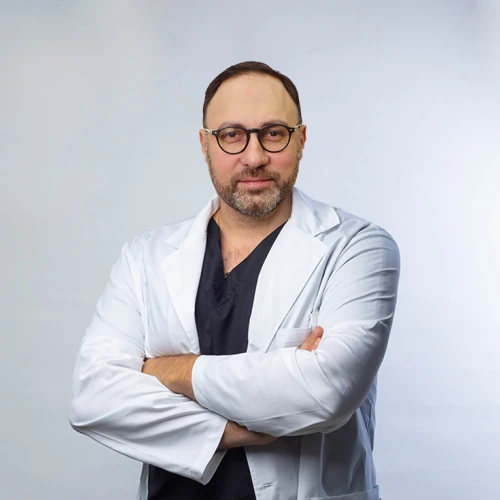
Belozyorov Igor Volodymyrovych
5
rating (11)
7+
Years of experience
Dentist-surgeon, implantologist
7+ Years of experience
Consultation 1
Kyiv, Pavlivska St., 26/41
Kyiv, Andriy Verkhoglyad St., 14B
Make an appointment
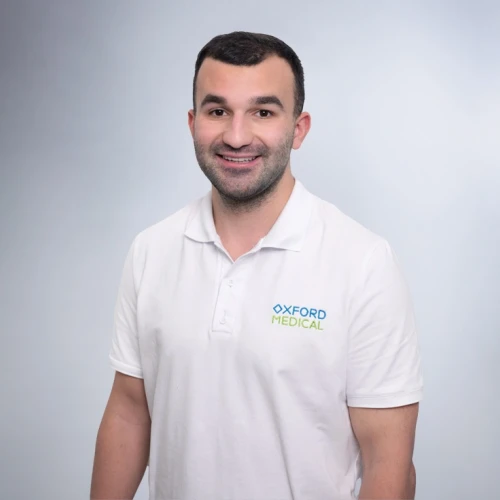
Roman Mykolayovych Stekhna
4.86
rating (35)
12+
Years of experience
Dental surgeon, implantologist
12+ Years of experience
Consultation 1
Make an appointment
Yakimenko Ruslan Olegovich
4.88
rating (40)
21+
Years of experience
Oral Surgeon of the Highest Category, Implantologist
21+ Years of experience
Consultation 1
Make an appointment
Маляренко Марина Евгеньевна
5
rating (6)
10+
Years of experience
Врач стоматолог-хирург
10+ Years of experience
Consultation 1
Make an appointment
All doctors
Reviews
Ганна 22.01.2026
Дуже вдячні лікарю, адміністрації, всій команді. Приїхали у Київ на операцію з Запоріжжя. У день операції у клініці було відсутнє живлення через масовані обстріли на енергосистему. Колектив з порозумінням сприйняв нашу ситуацію, приїзд за важких умов, професійно організували оперування в іншій кліниці. Ви команда професіоналів! Дякуємо!
Star Star Star Star Star
Катерина 15.01.2026
Віталіна Павлівна дуже уважно поставилася до моєї ситуації. Працює дуже акуратно, не було жодного відчуття страху. Після лікування нарешті зник дискомфорт, за що їй щиро вдячна.
Star Star Star Star Star
Current information
All Articles
Sign up
in the clinic
online
This site is protected by reCAPTCHA technology, and the Google Privacy Policy and Terms of Service apply.
Hello!
Let's take care
about your health:
Sign up via call center

We use cookies and other technologies to remember your preferences and find out exactly how you use and interact with the site.

By using our site, you also agree to the terms of the "User Agreement" and "Regulation on the processing and protection of personal data". By clicking "I AGREE", you consent to the processing of your data.