


Jaw pain or tension
An osteopath helps relieve tension in the chewing muscles, which reduces teeth grinding at night.

 Adults Adults Adults Adults Adults Adults Adults Adults Adults
  Children Children Children Children


 Hotline:
 Adults Adults Adults Adults Adults Adults Adults Adults Adults Children Children Children Children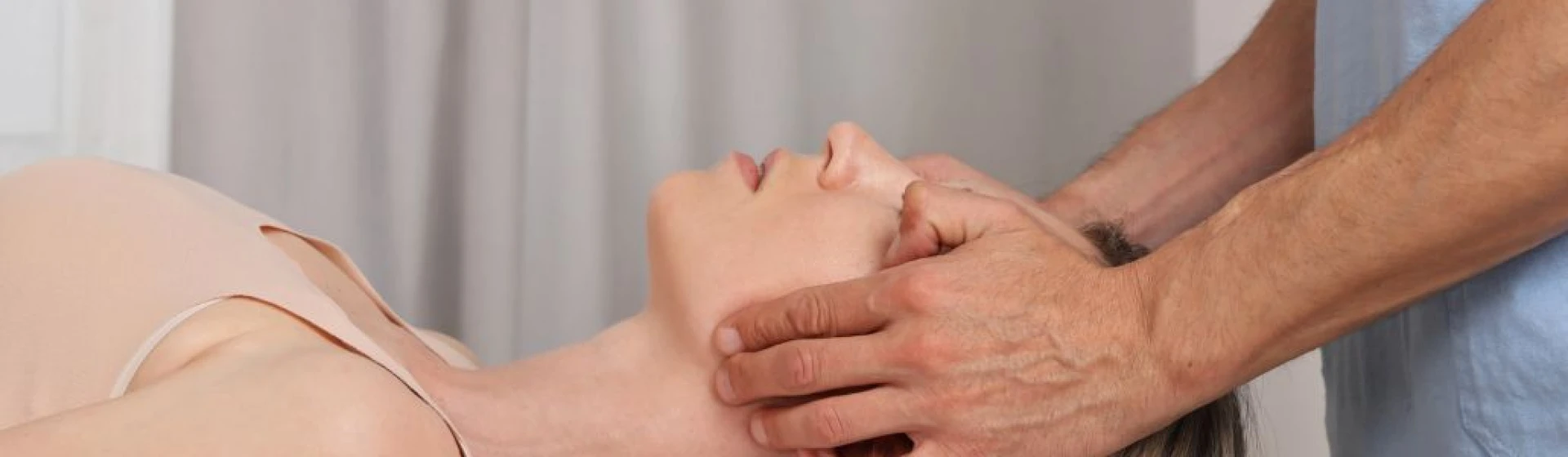
The dento-maxillofacial system is closely related to posture, the nervous system, and the muscles of the face. Imbalances in these structures can lead to problems such as malocclusion, headaches, teeth grinding, and even discomfort and pain in the neck. An osteopath-dentist works with the entire musculoskeletal system, helping to restore balance and improve the functionality of the jaw.
If you experience tension in the jaw, pain when chewing, or other unpleasant symptoms, you should not ignore the problem. Thanks to the comprehensive approach to treatment at dentistry «Oxford Medical» your problem will be successfully solved! Our specialists will help you get rid of discomfort and other unpleasant symptoms and improve your quality of life.
An osteopath in dentistry is a specialist who works at the intersection of two areas of medicine: osteopathy and dentistry. His task is to identify and eliminate functional disorders in the musculoskeletal system that affect the condition of the dento-maxillary system, bite, facial muscles and even the patient's general well-being.
Such a specialist does not install fillings or orthodontic structures. His work is subtle manual diagnostics and correction: the osteopath studies how altered posture, tension in the neck, back or face can affect the jaw, and restores balance using gentle techniques.
Unlike traditional treatment, which focuses only on the teeth, osteopathy considers the relationships between different structures of the body.
Basic principles of osteopathic therapy in dentistry:
Restoring the harmonious position of the jaw.
Reducing spasms and muscle tension.
Improving blood circulation and tissue nutrition.
Optimizing the work of the temporomandibular joint.
An osteopath works not only with the oral cavity, but also with the muscles of the neck, shoulders and even the chest, since all these structures affect the position of the jaw.
If you are already undergoing orthodontic treatment or are just planning to start it,
a consultation with an orthodontist-osteopath will help make the process more comfortable and effective.
It is also worth contacting an osteopath-stomatologist if you notice the following symptoms:


Jaw pain or tension
Clicking or discomfort in the temporomandibular joint
Headaches that can be caused by tension in the facial muscles
Difficulty chewing or swallowing
Postural imbalances that can affect the jaw
Orthodontic treatment that requires additional correction of muscle tone

Osteopathy in dentistry involves working not with symptoms, but with their causes. An osteopath dentist eliminates the root causes of disorders, restoring the correct position of bone structures and relieving excessive muscle tension.
The osteopathic approach allows you to significantly improve your well-being and in many cases even avoid medication and surgery.
Osteopathic methods are effective in the following cases:
An osteopath helps relieve tension in the chewing muscles, which reduces teeth grinding at night.
Gentle manipulations allow you to improve the position of the jaw and teeth without excessive pressure.
Osteopathic therapy can relieve pain, reduce teeth grinding, and feelings of stiffness.
Often their cause is disorders in the maxillofacial area.
Osteopathic rehabilitation helps restore proper functioning of structures more quickly.
Osteopathy and orthodontics are closely related. Wearing braces or mouth guards changes the position of the teeth, which can cause additional stress on the jaw and muscles. This is where an osteopath comes to the rescue.
What are the advantages of combining orthodontics and osteopathy:
Comprehensive bite correction - osteopathic methods allow not only to move the teeth into the correct position, but also to eliminate the root causes of the disorders. That is why an osteopath makes bite correction more natural and stable, reducing the risk of relapse after orthodontic treatment.
Comfortable orthodontic treatment - an osteopath reduces pain and discomfort when installing braces or aligners.
Even load distribution - The muscles of the face and neck adapt to the changes, which prevents posture distortion.
Faster teeth alignment – correct jaw position contributes to more effective orthodontic treatment.
That is why braces and osteopathy – are not competitors, but allies, which together provide a better result.
At Oxford Medical Dentistry, we use a comprehensive approach and modern treatment methods, which allows us not only to solve problems with the health and beauty of teeth, but also to improve the patient's overall well-being. If you need an osteopath dentist who works with malocclusion, TMJ, bruxism or other jaw problems, contact Oxford Medical Dentistry.
You can find out the price of a consultation with an osteopath dentist here. The doctor will provide you with more detailed information about the possibilities and cost of further treatment after the examination and diagnosis.
Make an appointment at a time convenient for you.


Osteopathy does not replace orthodontic treatment, but it significantly improves its results. The osteopath helps to eliminate muscle imbalances, which helps restore the correct position of the jaw and teeth. Thanks to this, the bite is corrected more naturally, and treatment with braces or aligners becomes more effective and comfortable.
An osteopath uses gentle manual techniques to correct muscle balance, relieve tension in the jaw, and normalize the position of bone structures. He works not only with the dento-jaw system, but also with the spine, skull, and muscles that affect the bite. This helps make orthodontic treatment more effective and comfortable.


Experienced specialists – our clinic employs qualified osteopaths-dentists who take into account the relationship between the jaw, spine and muscles in diagnosis and treatment
Comprehensive approach – treatment is aimed not only at eliminating the local problem, but also at restoring balance throughout the body
Modern techniques – we use proven osteopathic techniques that complement classical dentistry and orthodontics
Comfortable treatment – an osteopath helps minimize discomfort during orthodontic treatment, reduces pain and speeds up adaptation

