Sign up via call center
Department
Scaling

Scaling

Bleeding gums during tooth brushing, bad breath, a feeling of swelling, slight tooth mobility — these are signals that should not be ignored. In most cases, they are associated with an inflammatory process in the periodontal tissues. Dental plaque and hard deposits that accumulate not only on the surface of the teeth but also under the gums support and intensify this process. One of the effective methods for their removal is scaling — periodontal cleaning of the tooth root surfaces from calculus and bacterial plaque, aimed at reducing gum inflammation and stabilizing the condition of the periodontium.

What Is Tooth Scaling

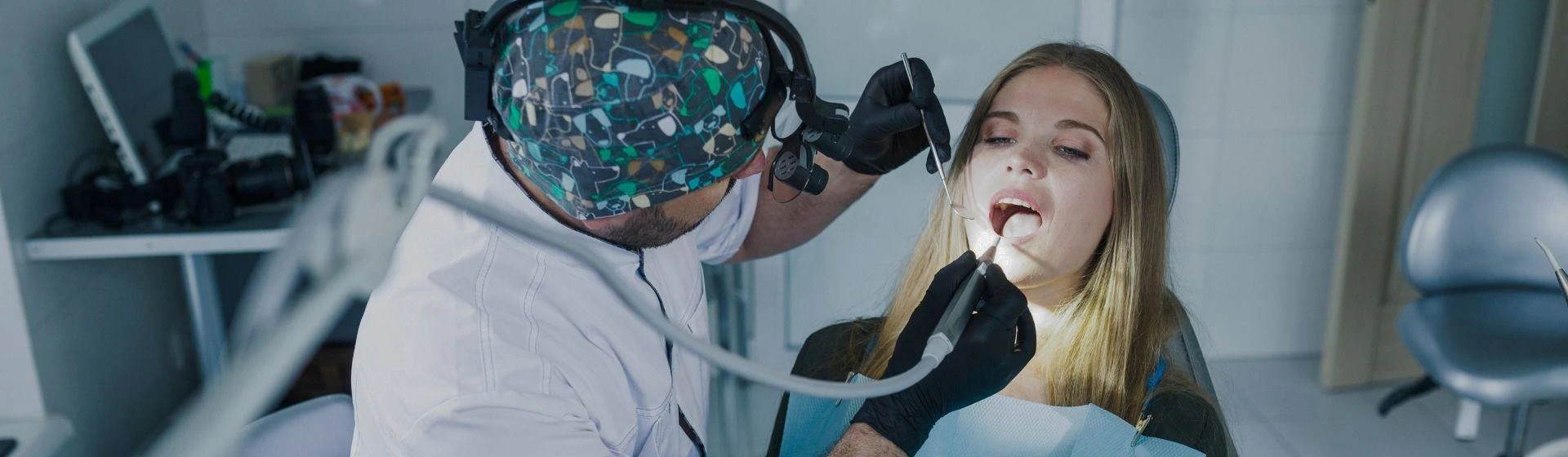
Scaling in dentistry is a therapeutic procedure aimed at removing dental calculus and soft bacterial plaque from the surfaces of the teeth and roots, including the area beneath the gums. Unlike routine professional hygiene, it involves working not only with the visible part of the tooth but also within periodontal pockets, where subgingival deposits accumulate and the inflammatory process is maintained.

The procedure may include both cleaning of the supragingival area and treatment of the root surfaces beneath the gums. In the presence of periodontal pockets and signs of inflammation, periodontal scaling is performed, which allows the removal of infected deposits, reduces the bacterial load, and creates conditions for restoring tight attachment of the gum to the tooth. If necessary, cleaning may be supplemented with root surface debridement or curettage of the periodontal pocket — depending on the depth of the lesion.

Scaling of the oral cavity may be performed locally — within one or several areas — or may involve the entire jaw. The extent of the intervention is determined by the clinical situation, the depth of periodontal pockets, and the stage of the inflammatory process.

Types of Tooth Scaling

Scaling in dentistry is classified depending on the extent of the intervention and the method of performance. The chosen technique is determined by the localization of deposits and the condition of the periodontal tissues.

According to the depth of treatment, the following are distinguished:

  • Supragingival scaling. Involves the removal of hard deposits located above the gum level. It is used in cases of early inflammatory changes and may be the first stage of comprehensive treatment.
  • Subgingival tooth scaling. Performed when dental calculus accumulates beneath the gum margin. During the procedure, the root surface of the tooth within the periodontal pocket is cleaned, which helps reduce the bacterial load and create conditions for tissue healing.
  • Deep scaling. Carried out in cases of more pronounced periodontal lesions when the pockets are significantly deep. The procedure may be performed in stages and requires thorough root surface treatment to stabilize the condition of the gums.

According to the method of performance, the following are distinguished:

  • Ultrasonic scaling. Performed using a device that breaks down dental calculus through ultrasonic vibrations. The method effectively removes deposits both above and below the gums, reduces the duration of the procedure, and ensures gentle action on the tissues.
  • Manual scaling. Performed with special periodontal instruments. It allows for step-by-step treatment of the root surface, especially in complex or hard-to-reach areas. It is often used as a supplement to аппаратные methods to achieve maximum cleaning quality.

Indications for Periodontal Scaling

Periodontal scaling is performed in the presence of subgingival
deposits and inflammatory changes in the periodontal tissues that
require therapeutic cleaning of the tooth root surfaces.

The main indications include:

chronic gum inflammation;

periodontal pockets deeper than the physiological norm;

presence of subgingival dental calculus;

bleeding gums during tooth brushing.

List of diseases

Contraindications to the Procedure

Gum scaling is a safe procedure; however, in certain clinical situations its performance may be temporarily postponed.

The main contraindications include:

  • acute infectious diseases;

  • decompensated cardiovascular pathologies;

  • uncontrolled diabetes mellitus;

  • acute inflammatory processes in the periodontal tissues accompanied by pronounced pain.

In cases of significant tooth mobility or pronounced changes in the periodontal tissues, the treatment strategy is selected individually, taking into account the stage of the disease and the patient’s general condition. Before the procedure, a consultation with a periodontist is обязательно conducted, during which the clinical situation is assessed, the appropriateness of scaling, its extent, and possible limitations are determined. Only after such an assessment is a decision made regarding the intervention.

Stages of Tooth Scaling

Scaling is performed in stages. The extent and duration of the procedure depend on the amount of deposits, the depth of their location, and the condition of the periodontal tissues.

Main stages:

Examination and initial assessment of the condition of the gums

The doctor examines the oral cavity, evaluates the presence of plaque and dental calculus, the condition of the gums (swelling, redness, bleeding), and identifies the areas that require therapeutic cleaning.

Periodontal diagnostics as indicated

The depth of periodontal pockets and the degree of inflammation are assessed (probing); if necessary, radiographic examinations may be recommended to clarify the condition of the bone tissue.

Determination of the method of performing the procedure

The doctor determines the required extent of cleaning (supragingival, subgingival, or combined) and selects the method of performance. If necessary, local anesthesia may be administered.

Removal of supragingival deposits.

Dental calculus and dense plaque are removed from the visible surfaces of the teeth, especially in areas where they accumulate most frequently.

Removal of subgingival deposits and treatment of root surfaces.

Cleaning is carried out beneath the gum margin and within periodontal pockets with removal of calculus and bacterial deposits. If necessary, additional root surface treatment is performed to reduce plaque retention and create conditions for restoring tight gum attachment.

Recommendations and follow-up plan.

The patient is informed about home care rules, appropriate hygiene products are selected, and the frequency of follow-up visits and repeat procedures is determined depending on the condition of the gums.

Post-Scaling Care Features

After scaling, the gum tissues require time to recover. During the first days, increased tooth sensitivity, slight bleeding, or discomfort while brushing may occur. This is associated with the removal of subgingival deposits and cleaning of the root surface and is usually temporary.

During the recovery period, it is recommended to:

  • use a soft toothbrush and brush the teeth with gentle movements, without excessive pressure;

  • use toothpaste for sensitive teeth or products recommended by the doctor;

  • avoid very hot, cold, or excessively hard food during the first 1–2 days;

  • use antiseptic or anti-inflammatory mouth rinses as prescribed by the doctor;

  • maintain daily oral hygiene, even if the gums remain sensitive.

In case of pronounced discomfort or prolonged bleeding, it is advisable to consult a doctor for a follow-up examination. Regular preventive visits help maintain the treatment result, monitor the condition of the gums in a timely manner, and prevent the reaccumulation of subgingival deposits.

Tooth Scaling: Price in Kyiv at Oxford Medical Clinic

The cost of scaling depends on the type of procedure, in particular the depth of subgingival deposits and the need for additional root surface treatment. You can review the prices for medical services in Kyiv at our dental clinic here. The doctor will provide more precise guidance on the specifics of treatment and the cost of the procedures after the examination. To book an appointment, please contact our call center using the listed phone numbers or use the online booking form.

Frequently Asked Questions:

What is the difference between scaling and curettage?

Scaling involves the removal of dental calculus and bacterial plaque from the surfaces of the teeth and roots, including beneath the gums. Curettage is used in cases of deeper periodontal lesions and includes cleaning of the periodontal pocket with removal of pathologically altered tissues. The extent and method of the procedure are determined depending on the stage of the disease.

How often can tooth scaling be performed?

The frequency depends on the condition of the gums and the rate of formation of dental deposits. In cases of a tendency to gum inflammation, the procedure may be recommended more often than once a year. In periodontitis, the schedule of treatment and follow-up examinations is determined by the doctor individually, taking into account the clinical dynamics.

( Rating: 4.75 , Votes: 28 )
Dentistry
Our services
Consultations
Consultation of a dentist - periodontist
1.00 ₴
Add Added
Dentist consultation
1.00 ₴
Add Added
Services
Periodontal teeth cleaning (1 jaw)
2450.00 ₴
Sign up by the call center
Preventive teeth cleaning with a brush and paste with optragate insulation (1 jaw)
400.00 ₴
Sign up by the call center
Comprehensive combined oral hygiene (optragate, ultrasound, Air flow, polishing) (1 jaw)
1450.00 ₴
Sign up by the call center
Comprehensive combined oral hygiene (optragate, ultrasound, Air flow, polishing) (2 jaws)
2800.00 ₴
Sign up by the call center
Professional oral hygiene (Air-flow, optragate) (1 jaw)
780.00 ₴
Sign up by the call center

Advantages of Scaling in Kyiv at the Private Clinic «Oxford Medical»

Comprehensive periodontal assessment. Before starting treatment, the doctor analyzes the condition of the gums, the depth of periodontal pockets, and the volume of subgingival deposits, which allows choosing the optimal intervention strategy.

Modern cleaning techniques. Both device-based and manual instruments are used to ensure thorough removal of deposits with minimal tissue trauma.

Individual approach to treatment. The extent and number of visits are determined depending on the stage of the inflammatory process and the clinical situation of a particular patient.

Full cycle of care in one place. A wide range of services at the private clinic in Kyiv allows patients to undergo diagnostics, treatment, and further follow-up in one location.

Reviews
Ганна 22.01.2026
Дуже вдячні лікарю, адміністрації, всій команді. Приїхали у Київ на операцію з Запоріжжя. У день операції у клініці було відсутнє живлення через масовані обстріли на енергосистему. Колектив з порозумінням сприйняв нашу ситуацію, приїзд за важких умов, професійно організували оперування в іншій кліниці. Ви команда професіоналів! Дякуємо!
Star Star Star Star Star
Катерина 15.01.2026
Віталіна Павлівна дуже уважно поставилася до моєї ситуації. Працює дуже акуратно, не було жодного відчуття страху. Після лікування нарешті зник дискомфорт, за що їй щиро вдячна.
Star Star Star Star Star
Current information
All Articles
Sign up via call center
in the clinic
online
This site is protected by reCAPTCHA technology, and the Google Privacy Policy and Terms of Service apply.
Hello!
Let's take care
about your health:
Sign up via call center

We use cookies and other technologies to remember your preferences and find out exactly how you use and interact with the site.

By using our site, you also agree to the terms of the "User Agreement" and "Regulation on the processing and protection of personal data". By clicking "I AGREE", you consent to the processing of your data.