Sign up via call center
Department
Removable dentures

Removable dental prostheses

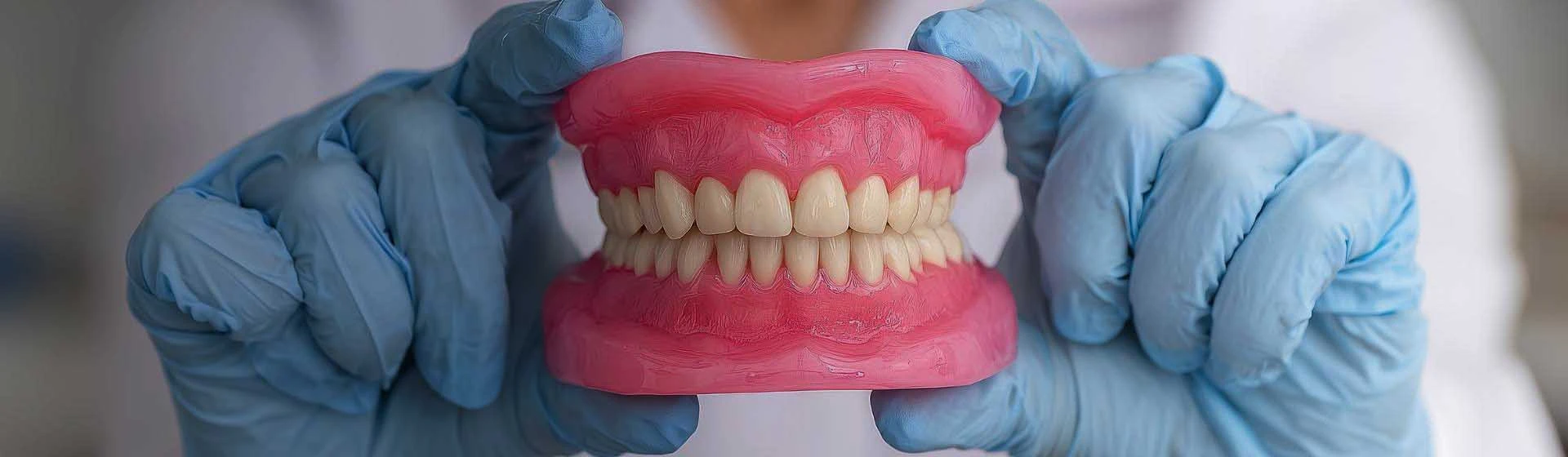
Removable dentures are orthopedic structures used to restore the dental arch in cases of partial or complete tooth loss. This type of prosthetic treatment makes it possible to restore basic chewing function, improve speech clarity, and recover the appearance of a smile when other restoration methods are impossible or impractical.

Modern removable constructions differ significantly from dentures used in the past. They are made of materials that provide a more natural appearance and a higher level of comfort during daily use. As a result, removable prosthetics remain a relevant orthopedic solution in a number of clinical cases.

At «Oxford Medical» Dental Clinic, removable prosthetic treatment is performed after a comprehensive assessment of the oral cavity, bite, and overall dental status of the patient. This approach allows specialists to select the optimal type of construction, taking into account functional needs and the expected level of comfort.

Indications for Removable Denture Placement

Removable dentures are used in situations where it is necessary to restore chewing function
and the appearance of a smile without surgical intervention.

The main indications include:

partial tooth loss when the remaining abutment teeth are insufficient for fixing fixed orthopedic structures or implants;

complete edentulism of one or both jaws, requiring restoration of chewing function and speech clarity;

the presence of medical contraindications to implantation or the patient’s refusal of surgical treatment;

the need for a temporary orthopedic solution at a certain stage of comprehensive dental treatment.

List of diseases

Types of Removable Dentures

Modern orthopedic dentistry involves the use of various types of prosthetic constructions that differ in materials, manufacturing methods, and the level of comfort during wear. The optimal option is selected individually, taking into account the clinical situation and the patient’s preferences.

Depending on the extent of restoration, the following types are used:

  • Complete removable denture. Used in cases of complete edentulism of one or both jaws. The construction rests on the oral mucosa and allows restoration of basic chewing function.

  • Partial removable denture. Applied when natural teeth are preserved and can serve as additional support for the construction. If necessary, a removable denture for a single tooth may also be placed.

The type of construction is chosen based on the degree of edentulism, the condition of the supporting tissues, and the functional tasks that need to be addressed in each individual case.

According to the materials used, removable constructions are divided into:

  • Acrylic dentures. Made of acrylic materials, they effectively restore chewing function and the shape of the dental arch. Such constructions can be adjusted during use but may require an adaptation period and regular monitoring of fit.

  • Nylon dentures. Manufactured from a flexible, elastic material that adapts better to the oral mucosa. They are usually lighter, less noticeable, and more comfortable for everyday use.

  • Clasp (framework) dentures. These are constructions with a metal framework that are fixed to abutment teeth using clasps or locking elements. They provide a more even distribution of chewing load but require strong abutment teeth and may be inferior to more modern options in terms of aesthetics and comfort.

Each of these options has its own characteristics, therefore removable dentures are always selected individually after examination and diagnostic assessment.

How Removable Dentures Are Fixed

The method of fixation depends on the type of construction, the number of remaining teeth, anatomical features of the jaws, and the selected treatment plan. The stability of the denture and comfort during chewing largely depend on the fixation method.

The most common fixation options include:

  • Fixation due to anatomical shape and vacuum effect. This method is mainly used for complete removable dentures. The construction fits tightly to the oral mucosa and is retained due to pressure differences. Based on this principle, removable dentures for the upper jaw are often made, as the anatomy of the palate allows for better stability during wear.

  • Fixation on abutment teeth. In cases of partial tooth loss, the denture may be additionally retained using clasps or other elements fixed to the remaining teeth. This improves the stability of the construction and reduces its mobility during chewing and speaking.

  • Combined fixation. In some clinical cases, several fixation methods are combined—for example, anatomical fit together with stabilization on natural teeth. This approach allows for more even distribution of chewing load and increases comfort during use.

  • Fixation on implants. To enhance stability, constructions retained by special attachments on installed implants may be used. Such removable dentures on implants are held more securely during chewing and speaking and are less likely to shift within the oral cavity.

The choice of fixation method is always made individually. The dentist assesses the condition of the oral cavity, the bite, and the anatomical features of the jaws and selects the option that will provide the optimal result.

Pros and Cons of Removable Dentures

Removable prosthetic treatment helps restore the basic functions of the dentofacial system in cases of partial or complete tooth loss. To properly assess the possibilities of this method, it is important to consider both its advantages and its limitations.

Advantages:

  • allow restoration of chewing function and aesthetics without surgical intervention;

  • may be an optimal solution in situations where other methods are impractical or temporarily unavailable;

  • are manufactured relatively quickly and can be adjusted during use if necessary;

  • are generally more affordable in cost compared to implantation and complex fixed constructions.

In many clinical cases, removable dentures help restore everyday comfort and improve the quality of chewing and speech.

Disadvantages and limitations:

  • an adaptation period may be required, during which discomfort and temporary changes in speech can occur;

  • fixation and stability are usually lower than those of fixed constructions, especially in cases of complete edentulism;

  • over time, the denture may require relining or correction due to natural changes in the oral mucosa and bone tissue;

  • regular cleaning and proper storage of removable dentures are necessary to prevent deformation and maintain their usability.

For this reason, the decision on which type of denture to choose should be carefully considered.

Stages of Placement and Production Time of Removable Dentures

This is a step-by-step process that involves careful preparation. Such an approach makes it possible to achieve proper fit of the construction, ensure its functionality, and provide comfort during daily use.

Main stages of prosthetic treatment:

  • Consultation and diagnostics. The dentist performs an examination of the oral cavity, assesses the condition of the bite, and determines the feasibility of removable prosthetic treatment. If necessary, additional examinations are prescribed, such as computed tomography or an orthopantomogram.

  • Orthopedic treatment planning. At this stage, the type of construction, material, and fixation method are selected. The dentist explains all features, expected results, and aspects of the adaptation period.

  • Impression taking or digital scanning. The obtained data make it possible to fabricate a denture taking into account the anatomical features of the jaw, which ensures accurate fit and even distribution of chewing load.

  • Denture fabrication in the laboratory. The construction is produced in a dental laboratory according to the specified parameters.

  • Try-in and placement. The finished construction is tried in, and its stability and comfort during speaking and chewing are assessed. If necessary, adjustments are made to achieve optimal fit.

Production time depends on the type of construction and the clinical situation. On average, the process takes up to several weeks. Exact timelines are determined individually by the dentist after the treatment plan has been approved.

Care of Removable Dentures

Proper care is a mandatory condition for comfortable use and maintaining functionality throughout the entire service life. Following the dentist’s recommendations helps maintain oral hygiene, prevent irritation of the oral mucosa, which over time may require treatment of gum inflammation, and reduces the risk of premature wear of the construction.

Basic rules:

  • daily cleaning of the denture using special products;

  • thorough rinsing of the denture with running water after each meal;

  • avoiding the use of abrasive toothpastes or aggressive cleaning agents that may damage the surface;

  • proper storage of removable dentures according to the dentist’s recommendations to prevent deformation or drying of the material;

  • regular cleaning of the oral mucosa and natural teeth.

In addition to daily hygiene, scheduled dental check-ups are important. During such visits, the dentist assesses the condition of the denture, its fit, and performs adjustments if necessary. This helps to eliminate possible discomfort in a timely manner and maintain ease of use.

Service Life of Removable Dentures

On average, the service life ranges from 2 to 7 years; however, exact timelines are always individual.

The duration of use is influenced by:

  • the material of the construction (acrylic and nylon dentures have different wear resistance);

  • bite characteristics and the level of chewing load;

  • the presence or absence of remaining natural teeth that can additionally stabilize the denture;

  • the regularity of hygienic care and scheduled dental check-ups.

Over time, natural changes occur in the jaw tissues, including gradual bone tissue atrophy and changes in the contour of the oral mucosa. As a result, even a high-quality removable denture may lose accuracy of fit. In such cases, the dentist may recommend relining, adjustment, or replacement of the construction.

Regular preventive examinations and adherence to care rules help maintain denture functionality, ensure comfort during wear, and максимально extend its service life.

Services of a Private Clinic in Kyiv: How Much Does a Removable Denture Cost at «Oxford Medical»

The cost is determined individually and depends on the clinical situation. The price of removable dentures is formed taking into account the type of construction, the material used, the extent of prosthetic treatment (partial or complete), as well as the need for preliminary dental treatment.

You can review the current prices here. A more accurate cost will be provided by the dentist after a consultation and the development of a personalized orthopedic treatment plan. You can book a consultation by phone or via the online appointment form on the clinic’s website.

At «Oxford Medical» Dental Clinic, patients have access to modern medical services in Kyiv that meet international standards. High-quality certified materials are used for the fabrication of removable dentures, and treatment is performed by experienced dentists who always take into account the individual characteristics of each patient and help choose the most appropriate solution.

Frequently Asked Questions

How quickly can you get used to removable dentures?

The adaptation period usually lasts from several days to several weeks. During this time, mild discomfort, changes in speech, or a foreign body sensation in the mouth may occur. Following the dentist’s recommendations, gradually increasing wearing time, and attending regular follow-up visits can significantly speed up the adaptation process.

Can a removable denture be remade?

In many cases, correction or relining of a removable denture is possible if discomfort occurs, the fit changes, or fixation is compromised. The feasibility and extent of such adjustments are determined by the dentist after examination. If correction is ineffective, fabrication of a new denture may be recommended.

Do removable dentures need to be taken out at night?

In most cases, dentists recommend removing dentures at night to allow the oral mucosa to rest and to reduce the risk of irritation. However, specific recommendations depend on the type of denture and the clinical situation, so they should be discussed with the dentist.

Can you sleep with removable dentures?

Sleeping with removable dentures on a permanent basis is generally not recommended. Exceptions may be made only for individual indications and for a limited adaptation period. The final decision regarding the wearing regimen is made by the dentist, taking into account the condition of the oral mucosa and the patient’s comfort.

( Rating: 4.82 , Votes: 38 )
Dentistry
Our services
Consultations
Dentist consultation
1.00 ₴
Add Added
Services
Butterfly prosthesis or immediate prosthesis (with installation)
6200.00 ₴
Sign up by the call center
Titanium beam for permanent construction with installation (up to 10 units, screw fixation)
55000.00 ₴
Sign up by the call center
Straumann temporary abutment (with installation)
7500.00 ₴
Sign up by the call center
Temporary abutment "Megagen" (with installation)
6400.00 ₴
Sign up by the call center
Temporary abutment "Neodent" (with installation)
5850.00 ₴
Sign up by the call center

Advantages of Removable Denture Prosthetics at «Oxford Medical» Clinic

Dentists with extensive experience. Prosthetic treatment is performed by dentists who have practical experience working with various types of removable constructions and complex clinical cases.

Accurate diagnostics. The use of expert-class equipment allows proper treatment planning, assessment of denture fit, and timely implementation of necessary adjustments.

Certified materials for denture fabrication. Removable constructions are made using materials that meet modern requirements for strength, biocompatibility, and aesthetics.

Post-placement follow-up. After the start of use, patients can attend scheduled adjustment visits, which helps maintain comfort and stability of the construction.

Reviews
Ганна 22.01.2026
Дуже вдячні лікарю, адміністрації, всій команді. Приїхали у Київ на операцію з Запоріжжя. У день операції у клініці було відсутнє живлення через масовані обстріли на енергосистему. Колектив з порозумінням сприйняв нашу ситуацію, приїзд за важких умов, професійно організували оперування в іншій кліниці. Ви команда професіоналів! Дякуємо!
Star Star Star Star Star
Катерина 15.01.2026
Віталіна Павлівна дуже уважно поставилася до моєї ситуації. Працює дуже акуратно, не було жодного відчуття страху. Після лікування нарешті зник дискомфорт, за що їй щиро вдячна.
Star Star Star Star Star
Current information
All Articles
Sign up via call center
in the clinic
online
This site is protected by reCAPTCHA technology, and the Google Privacy Policy and Terms of Service apply.
Hello!
Let's take care
about your health:
Sign up via call center

We use cookies and other technologies to remember your preferences and find out exactly how you use and interact with the site.

By using our site, you also agree to the terms of the "User Agreement" and "Regulation on the processing and protection of personal data". By clicking "I AGREE", you consent to the processing of your data.