Sign up via call center
Department
Treatment of urolithiasis at the Oxford Medical Kiev private clinic

Treatment of bladder stones

Bladder stones are hard calculi that form in the cavity of the urinary bladder as a result of impaired urine outflow, changes in urine composition, or prolonged urinary stagnation. The condition may develop gradually and remain minimally symptomatic for a long time, but without treatment it can lead to chronic inflammation, pain, urination disorders, and other complications.

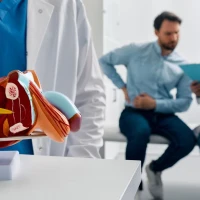
At the Oxford Medical Medical Center, accurate diagnostics of bladder stones are performed using modern equipment, along with effective treatment based on minimally invasive techniques. This approach allows stones to be removed as gently as possible, with minimal discomfort for the patient and rapid recovery after the procedure.

Schedule a consultation with an Oxford Medical urologist to receive a professional assessment of your condition and an individually tailored treatment plan.

Causes of Bladder Stone Formation

The formation of bladder stones is most often associated with impaired normal urine outflow and prolonged urinary stasis. Under such conditions, salts contained in the urine are not completely excreted, gradually crystallize, and form hard calculi. The risk of developing the condition increases in the presence of anatomical or functional disorders of the lower urinary tract.

The main causes of bladder stone formation include:

  • impaired urine outflow due to prostate diseases, urethral strictures, or other obstructive conditions;

  • incomplete emptying of the bladder with the formation of residual urine;

  • neurogenic voiding disorders in which bladder contractile function is reduced;

  • chronic infectious and inflammatory processes of the urinary bladder;

  • long-term use of urinary catheters;

  • insufficient fluid intake and нарушения питьевого режима.

In some cases, stones migrate from the upper parts of the urinary tract and become retained in the bladder cavity. Therefore, during treatment it is important not only to remove the stone but also to identify the cause of its formation in order to prevent recurrence of the disease.

Bladder Stones:
Symptoms of the Condition

The symptoms of the condition depend on the size, number, and mobility of the calculi,
as well as on the presence of concomitant diseases of the urinary system.

The main symptoms that may indicate the presence of a bladder stone include:

urination disorders, such as frequent urges, intermittent urine stream, or a feeling of incomplete emptying;

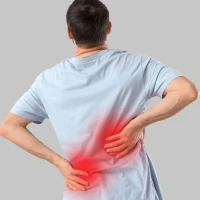
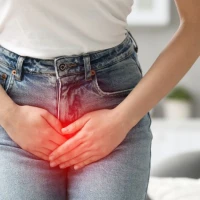
pain or discomfort in the lower abdomen or perineal area, which intensifies with movement or at the end of urination;

the appearance of blood in the urine, changes in its color, or cloudiness due to injury to the bladder mucosa;

if inflammatory processes are present — burning during urination, elevated body temperature, and general weakness.

List of diseases

Based on the diagnostic results, the physician can determine the optimal treatment method.

Diagnosis of Bladder Stones

To detect bladder stones and determine their size, number, and location, the following examinations may be prescribed:

  • ultrasound examination of the urinary system, which allows detection of calculi, assessment of the bladder wall condition, and evaluation of residual urine;

  • cystoscopy — an endoscopic method that enables direct visualization of the bladder cavity, clarification of stone size, and assessment of the mucosal condition;

  • computed tomography, used in complex or uncertain cases for precise visualization of calculi and differential diagnosis;

  • laboratory blood and urine tests to identify signs of inflammation, hematuria, infectious processes, and to assess urinary system function.

Based on the diagnostic results, the physician can determine the optimal treatment method.

Bladder Stone: Treatment Methods

The treatment strategy for bladder stones is determined individually and depends on the size and number of calculi, their density, the presence of concomitant conditions, and the causes of impaired urine outflow. The main goal of treatment is not only to remove the stone but also to restore normal urination and prevent recurrent stone formation.

Depending on the diagnosis, the following may be prescribed:

The choice of treatment method for bladder stones depends on the size, number, and density of the calculi, the severity of symptoms, and the presence of concomitant diseases of the urinary system. The primary goal of treatment is complete stone removal, restoration of normal urine outflow, and prevention of complications.

Endoscopic Treatment of Bladder Stones

Endoscopic treatment is the primary and most commonly used method for bladder stones. The procedure is performed through the natural urinary tract - access to the bladder is achieved via the urethra without external incisions. During the intervention, the physician uses endoscopic instruments under visual control to grasp or fragment the stone, followed by removal of its fragments.

In cases of large or dense calculi, contact lithotripsy is used as part of endoscopic treatment, including laser or ultrasonic energy. The stone is fragmented directly within the bladder cavity, after which its fragments are removed or passed naturally. This approach minimizes tissue trauma, shortens the recovery period, and reduces the risk of complications.

Open Surgical Treatment

Open surgical intervention is used rarely and only when there are clear medical indications. This method may be recommended for very large stones, when endoscopic treatment is not possible, or in combination with other conditions that require simultaneous surgical intervention. The decision to perform surgery is made on an individual basis after a comprehensive examination of the patient.

Medical and Supportive Therapy

Medication therapy is not the primary method for removing calculi; however, it plays an important role in comprehensive treatment. The physician may prescribe medications to reduce inflammation, облегчения мочеиспускания, treat associated infections, and correct conditions that contributed to stone formation. This approach helps improve treatment outcomes and reduce the risk of recurrent stone formation.

Prevention of Bladder Stone Formation

To prevent recurrent stone formation, the following is recommended:

  • urinate in a timely manner and avoid prolonged urine retention;

  • consume an adequate amount of fluids (1.5–2 liters of water per day for an adult) to dilute urinary salts and reduce the risk of crystallization;

  • maintain a balanced diet and avoid excessive consumption of foods that increase the concentration of salts in the urine;

  • своевременно лечить хронические инфекционно-воспалительные заболевания мочевыводящих путей;

  • undergo regular preventive examinations by a urologist, especially in the presence of risk factors such as obstructive urinary tract conditions.

Following these recommendations significantly reduces the likelihood of recurrent stone formation.

Private Clinic Services in Kyiv: Cost of Bladder Stone Treatment at Oxford Medical Clinic

The treatment method is selected individually, depending on the number, size, localization, and other characteristics of the stones. Accordingly, the cost of treatment may also vary. You can find the prices for medical services in Kyiv at Oxford Medical here. More detailed information about treatment options and costs will be provided by the doctor after diagnostic evaluation.

To schedule an appointment, you can use the online booking form on the website or contact the clinic by the listed phone numbers. A urologist consultation is the first step toward restoring your health. Our clinic employs experienced specialists who use modern treatment methods. Trust your health to professionals.

Frequently Asked Questions

How can you tell if there are stones in the bladder?

To confirm the diagnosis, an ultrasound examination is performed. In more complex cases, cystoscopy or, in some instances, computed tomography may be prescribed. Laboratory urine and blood tests help detect signs of inflammation and other associated conditions.

How is a bladder stone removed?

Removal is usually performed using minimally invasive methods: endoscopically or with contact lithotripsy. The stone is fragmented using laser or ultrasound energy, after which the fragments are passed naturally. The method is selected by the physician depending on the size, density of the stone, and the patient’s symptoms.

How can bladder stones be treated without surgery?

It is not possible to completely remove bladder stones without surgical intervention; however, for small calculi, endoscopic treatment or contact lithotripsy may be used. In these cases, the procedure is performed without incisions, through the urethra. The stones are fragmented and then passed naturally from the body.

What should be done if a stone is stuck in the bladder?

If a stone becomes lodged in the bladder and causes pain or difficulty urinating, it is necessary to seek urgent medical attention from a urologist. The doctor will assess the size and position of the calculus and choose a safe removal method — endoscopic removal, lithotripsy, or, in rare cases, surgical intervention. Attempts at self-removal can be dangerous.

( Rating: 4.81 , Votes: 27 )
Our services
Consultations
Consultation with a urologist
1100.00 ₴
Add Added
Consultation with a leading urologist
1989.00 ₴
Add Added
Online consultation with a urologist
1100.00 ₴
Add Added
Services
Laser contact lithotripsy of bladder stone, category I complexity
24889.00 ₴
Sign up by the call center
Laser contact lithotripsy of bladder stone, category II of complexity
29889.00 ₴
Sign up by the call center
Laser contact lithotripsy of bladder calculus, category III of complexity
39889.00 ₴
Sign up by the call center
Laser contact ureterolithotripsy of the ureter of category I complexity
18489.00 ₴
Sign up by the call center
Laser contact ureterolithotripsy of the ureter of the II category of complexity
20689.00 ₴
Sign up by the call center

Advantages of Bladder Stone Treatment at the Private Clinic «Oxford Medical»

Highly qualified and experienced physicians providing effective treatment.

Diagnostics using modern expert-class equipment for accurate assessment of the urinary system.

Minimally invasive surgical treatment methods for gentle stone removal with a minimal recovery period.

24-hour surgical inpatient facility with comfortable conditions for patients.

Our doctors

Doctor at the private clinic Oxford Medical Kyiv
0
rating (0)
10+
Years of experience
Urologist, ultrasound doctor category I, candidate of medical sciences
10+ Years of experience
Make an appointment
All doctors
Reviews
Анонімний користувач 20.01.2026
Пообіцяв залишити відгук, якщо все буде добре. Довго замислювався над проведенням вазектомії. Ті хто в темі, ті зрозуміють. Лікаря порекомендували наші друзі, які вже через це пройшли. Операція тривала хвилин 15. Як для мене, зовсім безболісно. Під час операції, Павло Валерійович попереджав, що буде робити, і коли буде неприємно, а саме коли будуть уколи зі знеболюючим. Після операції нічого не боліло, не турбувало, сам доїхав до дому за кермом. Лікар підтримував весь час, та надавав всі необхідні поради. Десь тиждень, дружина обробляла шви. На сьогоднішній день взагалі не помітно де була операція. Через місяць здав сперматограму, і там все як я хотів. Хто ще вагається з вибором лікаря для вазектомії, рекомендую Аксьонова Павла Валерійовича, це дійсно фахівець в цій справі.
Star Star Star Star Star
Андрій 22.12.2025
Дуже вдячний Волошину Володимиру Вікторовичу за коректне та уважне ставлення! Лікар одразу викликає довіру. Обстеження пройшло комфортно, без поспіху. Після прийому зрозумів свою ситуацію і подальші кроки лікування. Рекомендую як досвідченого уролога.
Star Star Star Star Star
Current information
Sign up via call center
in the clinic
online
This site is protected by reCAPTCHA technology, and the Google Privacy Policy and Terms of Service apply.
Hello!
Let's take care
about your health:
Sign up via call center

We use cookies and other technologies to remember your preferences and find out exactly how you use and interact with the site.

By using our site, you also agree to the terms of the "User Agreement" and "Regulation on the processing and protection of personal data". By clicking "I AGREE", you consent to the processing of your data.