Contents:
- What a proctologist treats
- How to prepare for a proctologist appointment
- How a proctologist examination is performed
- Who should visit a proctologist and how often
The first visit to a proctologist often causes anxiety, so many people postpone the consultation even when unpleasant symptoms are present. However, pain, bleeding, itching, discomfort, or bowel movement disorders are valid reasons to see a doctor as soon as possible.
A modern proctological examination is performed delicately and does not take much time. Proper preparation helps make the consultation more informative and allows the patient to feel more confident during the appointment. In this article, we explain what a proctologist treats, how to prepare for a proctologist examination, and what to expect during the visit.
What a proctologist treats
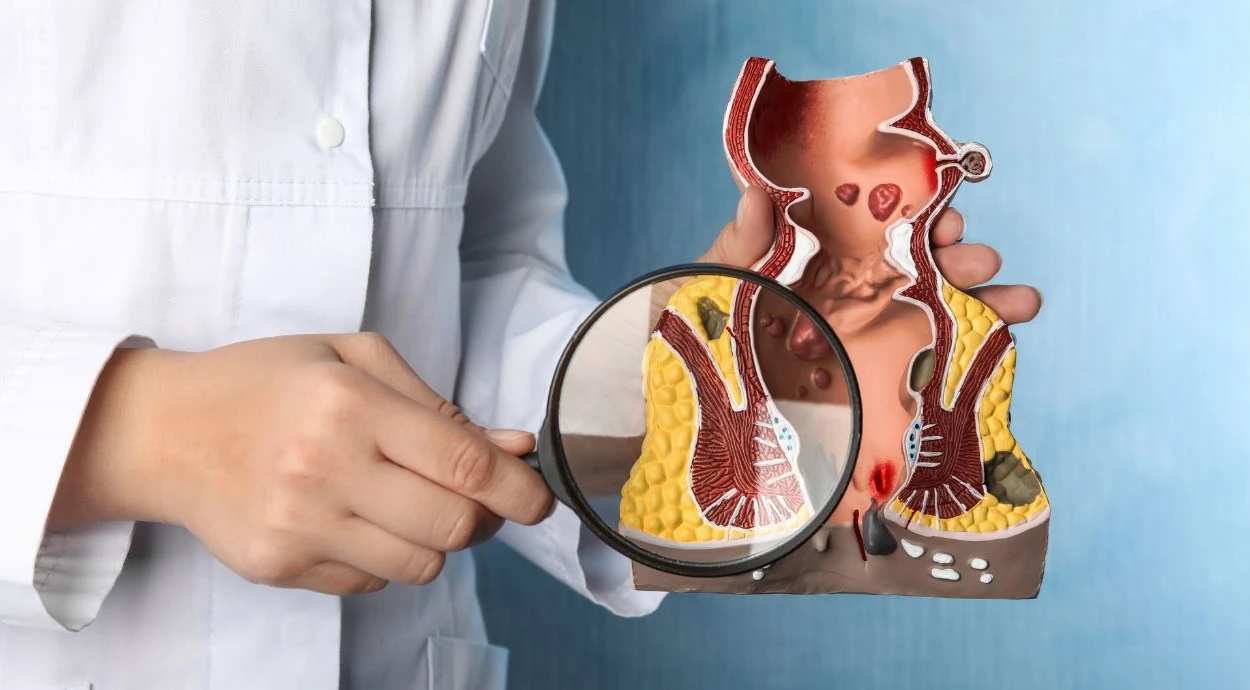
A proctologist is a specialist who diagnoses, treats, and prevents diseases of the rectum, anal canal, and the tissues surrounding them. Patients visit this doctor both when complaints appear and for preventive examinations, especially after the age of 45 or when there are risk factors for developing diseases of the large intestine.
Among the most common reasons for visiting a proctologist are hemorrhoids, anal fissures, fistulas, anal polyps, inflammatory processes, paraproctitis, benign neoplasms, and other conditions that may cause discomfort, pain, or bleeding. A timely consultation helps establish an accurate diagnosis and select the optimal treatment.
What a proctologist checks
During the appointment, the doctor first clarifies the patient’s complaints, the duration of symptoms, dietary habits, lifestyle, and the presence of concomitant diseases. After that, an examination is performed, allowing the doctor to assess the condition of the anorectal area and detect possible pathological changes.
If necessary, a proctologist may recommend additional examinations to clarify the diagnosis. This makes it possible to obtain more complete information about the condition of the rectum and rule out diseases with similar symptoms.
What symptoms require a visit to a proctologist
Many rectal diseases cause only mild discomfort in the early stages, so patients often postpone visiting a doctor. However, even moderate symptoms are a reason to consult a specialist.
It is advisable to make an appointment if the following signs appear:
- anal itching;
- blood on toilet paper or in the stool;
- pain or burning in the area of the anus;
- a sensation of a foreign body;
- mucous or purulent discharge;
- lumps or protrusions near the anal opening;
- frequent bowel movement disorders;
- prolonged discomfort after defecation.
Doctors at Oxford Medical recommend not self-medicating and not waiting until symptoms become worse. Early referral to a specialist significantly increases the effectiveness of treatment and helps prevent complications.
How to prepare for a proctologist appointment
.jpg)
Proper preparation for a proctologist appointment helps the doctor conduct a high-quality examination and, if necessary, perform additional tests during one visit. In most cases, special preparation is not complicated and includes hygiene, dietary adjustment before the appointment, and cleansing of the lower intestinal sections.
It is important to consider that the scope of preparation may differ depending on the patient’s complaints and the planned diagnostic procedures. Therefore, when making an appointment, it is advisable to clarify the recommendations with the clinic administrator or doctor.
What to bring to the first proctologist appointment
Before the visit, it is advisable to prepare information that will help the doctor better assess your condition and the cause of your complaints.
During the consultation, you should tell the doctor:
- what symptoms are bothering you and how long ago they appeared;
- whether there is pain, bleeding, itching, discomfort, or bowel movement disorders;
- which medications you take regularly;
- information about previous surgeries and concomitant diseases.
It is especially important to inform the doctor about conditions that may affect the course of the disease and tissue healing, including diabetes mellitus, blood clotting disorders, or chronic inflammatory processes.
What to do before visiting a proctologist: hygiene rules
Many patients wonder what is needed for a consultation with a proctologist. First of all, it is important to follow hygiene recommendations and, if necessary, bowel preparation instructions if prescribed by the doctor.
Before the first consultation, usual hygiene procedures are sufficient. It is recommended to take a shower and carefully wash the perineal area with warm water without using aggressive care products.
You should not perform intensive skin cleansing or use topical medications without a doctor’s prescription immediately before the appointment. This may alter the clinical picture and make it more difficult to assess the condition of the tissues during the examination.
If the doctor recommended bowel cleansing before the visit, you should strictly follow the instructions received. This kind of preparation for a proctologist appointment allows the examination to be as informative as possible.
What you can eat before visiting a proctologist
In most cases, a strict diet before the consultation is not required. On the day before the appointment, it is advisable to give preference to light meals that do not cause excessive gas formation or intestinal discomfort.
The diet may include:
- boiled or baked meat;
- fish;
- porridge;
- eggs;
- fermented dairy products;
- stewed or boiled vegetables;
- still water.
If the patient has bowel movement disorders, the doctor may provide individual dietary recommendations depending on the clinical situation.
What not to eat before the examination
For 1–2 days before the consultation, it is advisable to limit foods that may cause bloating and increased gas formation. This is especially important if additional instrumental examinations are planned during the appointment.
It is recommended to temporarily exclude:
- legumes;
- cabbage;
- grapes;
- carbonated drinks;
- alcohol;
- rich pastries;
- a large amount of sweets;
- fatty and overly spicy foods.
Doctors at Oxford Medical recommend following a moderate diet and avoiding overeating the day before the appointment. This helps reduce discomfort and makes the examination easier.
How women should prepare for a proctologist appointment
Preparation for women generally does not differ from the recommendations for men. It is necessary to follow the usual hygiene rules and dietary recommendations.
One of the most common questions patients ask is whether it is possible to visit a proctologist during menstruation. Menstruation is not an absolute contraindication to consultation. If the visit is related to severe pain, bleeding, or other symptoms that require prompt diagnosis, the appointment should not be postponed.
At the same time, for some examinations or in the absence of urgent need, the doctor may recommend rescheduling a planned examination for a few days after menstruation ends.
How a proctologist examination is performed
.jpg)
The first appointment usually begins with a conversation. The doctor clarifies the patient’s complaints, finds out when the symptoms appeared, whether they are related to defecation, and also asks about lifestyle, diet, and previous diseases. For example, prolonged bowel movement disorders may indicate different pathologies, so it is important to describe all symptoms in detail.
After the consultation, an examination of the anorectal area is performed. If necessary, the doctor may perform a digital rectal examination or recommend additional diagnostic methods. Most procedures take only a few minutes and provide important information for establishing a diagnosis.
Hemorrhoids are often the reason for visiting a doctor, but similar symptoms may also occur with other diseases. That is why it is important to be examined by a specialist rather than trying to determine the cause of discomfort on your own.
Is a proctologist examination painful
One of the most common concerns among patients is fear of pain during the examination. In fact, most proctological examinations cause only mild discomfort or a feeling of pressure that does not last long.
If the patient has inflammation, fissures, or other conditions accompanied by pain, the doctor performs the examination as carefully as possible and, if necessary, may use local anesthetics. Modern techniques make it possible to minimize unpleasant sensations even when symptoms are pronounced.
Doctors at Oxford Medical recommend not postponing the consultation because of fear of pain. In most cases, patients note that the examination turned out to be much more comfortable than they expected.
What examinations a proctologist may perform
Depending on the complaints and the results of the initial examination, the doctor may prescribe additional diagnostic procedures. They help clarify the cause of symptoms, assess the extent of the pathological process, and choose the optimal treatment strategy.
In proctology, the following may be used:
- digital rectal examination — allows the doctor to assess the condition of tissues and detect lumps or painful areas;
- anoscopy — endoscopic examination of the anal canal and lower rectum using a special instrument;
- rectoromanoscopy — endoscopic examination of the rectum and distal sigmoid colon;
- colonoscopy — endoscopic examination of the entire large intestine to detect pathological changes;
- laboratory tests — help assess the general condition of the body and detect signs of inflammation;
- ultrasound examinations when indicated — are used to clarify the diagnosis and assess the condition of surrounding tissues.
Such examinations may be necessary for diagnosing various diseases, including benign neoplasms, inflammatory processes, or conditions that cause bleeding and discomfort. For example, anoscopy can detect anal polyps at early stages and assess the condition of the mucous membrane of the anal canal.
Who should visit a proctologist and how often
A proctological examination is needed not only when complaints appear. Some diseases of the rectum and large intestine may develop for a long time without pronounced symptoms, so preventive consultations play an important role in early diagnosis.
It is recommended to visit a proctologist:
- when blood appears during or after defecation;
- in case of pain, burning, or discomfort in the area of the anus;
- in case of mucus or other pathological discharge;
- when there is a sensation of a foreign body in the rectum;
- when bowel movement patterns change for several weeks;
- when lumps or protrusions appear in the anorectal area;
- if there is a family history of colorectal cancer or intestinal polyps;
- if chronic constipation is a concern;
- for preventive monitoring after the age of 45.
For people without complaints, the frequency of preventive examinations is determined individually by the doctor, taking into account age, heredity, lifestyle, and the presence of risk factors. In some cases, regular endoscopic examinations may be recommended for early detection of pathological changes.
Doctors at Oxford Medical recommend not waiting until symptoms begin to significantly affect quality of life. A timely consultation allows diseases to be detected at early stages, when treatment is usually simpler, faster, and less traumatic for the patient.
The information in this article is provided for informational purposes and is not an instruction for self-diagnosis or self-treatment. If symptoms of a disease appear, you should consult a doctor.
Sources:
American Society of Colon and Rectal Surgeons