

 Adults Adults Adults Adults Adults Adults Adults Adults Adults
  Children Children Children Children


 Hotline:
 Adults Adults Adults Adults Adults Adults Adults Adults Adults Children Children Children Children


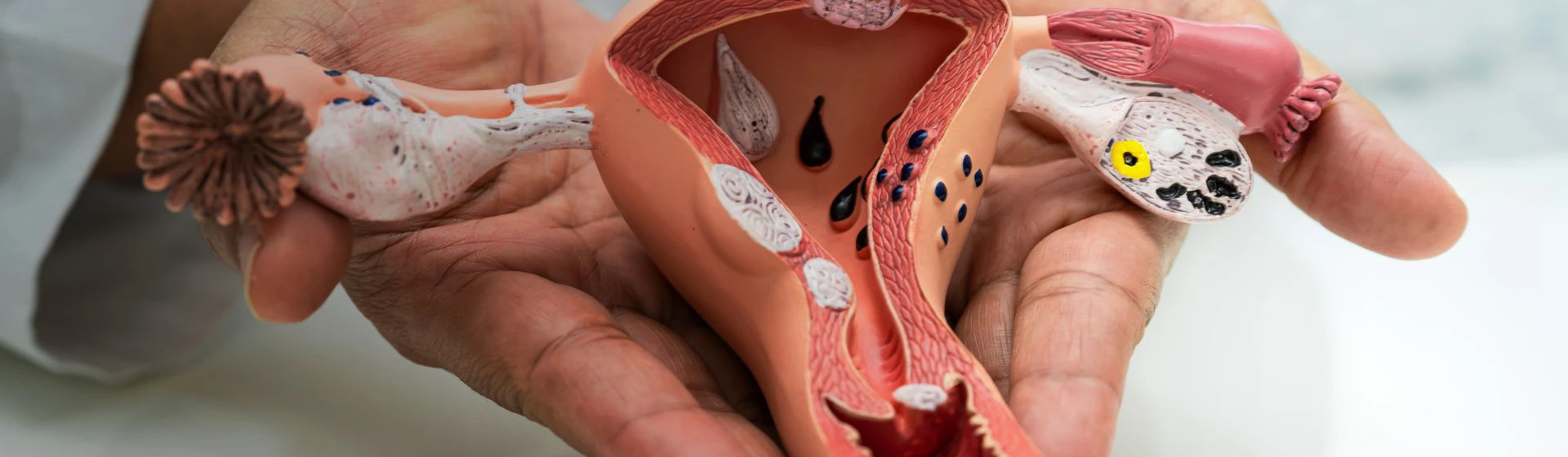
Treatment of hydrosalpinx
Hydrosalpinx treatment in Kiev
Hydrosalpinx is a condition in which an excessive amount of fluid is produced and accumulates in one or both fallopian tubes, forming a capsule. As a result, the fallopian tube expands, while its patency decreases. Most often, hydrosalpinx develops due to inflammation of the fallopian tubes, adhesions, and other diseases.
Symptoms of hydrosalpinx
The development of hydrosalpinx begins asymptomatically. While the capsule is small, a woman does not feel any discomfort. The first symptoms appear when a large amount of fluid accumulates, increasing pressure on the walls of the fallopian tube.
Symptoms of a progressing condition may include:
-
Pulsating pain in the lower abdomen on one or both sides;
-
Discomfort or mild pain during sexual intercourse;
-
Periodic profuse watery vaginal discharge (the contents of the hydrosalpinx may flow into the uterus and vagina);
-
Fever in the case of acute inflammation.
Infertility can also be a manifestation of hydrosalpinx. Narrowing of the fallopian tube lumen prevents conception.
Causes of hydrosalpinx
Hydrosalpinx develops when lymphatic and blood flow are disrupted, leading to fluid accumulation. The condition can be caused by:
-
Infectious and inflammatory diseases of the reproductive organs and abdominal cavity;
-
Adhesions in the abdominal cavity;
-
Endometriosis;
-
Tumors in the abdominal cavity;
-
Ectopic pregnancy;
-
Previous miscarriage or abortion;
-
Surgeries on pelvic organs;
-
Hypothermia.
Most often, fluid accumulation occurs against the background of genitourinary infections.
Classification of hydrosalpinx
Depending on localization, hydrosalpinx can be:
-
Right-sided hydrosalpinx;
-
Left-sided hydrosalpinx;
-
Bilateral hydrosalpinx.
Based on the spread of the pathological process:
-
Simple hydrosalpinx – fluid accumulates in a single cavity of the fallopian tube;
-
Follicular hydrosalpinx – adhesions develop in the tube, forming separate fluid-filled cavities.
There is also vented hydrosalpinx, when its contents are periodically discharged and fluid appears in the uterus.
Dangerous sizes of hydrosalpinx
There are 2 stages of the condition:
-
Moderate – the size of the fallopian tube is slightly increased (up to 4 cm), symptoms are absent or mild;
-
Severe – the fallopian tube is significantly enlarged (more than 4–5 cm), with pronounced symptoms and complications.
The danger of the disease depends not only on the size of the hydrosalpinx but also on the presence of other pathologies. In each case, the doctor decides on the treatment method individually, based on all examination results.
Complications of hydrosalpinx
Many women wonder: can hydrosalpinx rupture? With proper and timely treatment, the condition is curable. However, complications may lead to rupture of the fallopian tube. Moreover, as hydrosalpinx progresses, it may block the tube’s lumen and cause adhesions. This can result in infertility, ectopic pregnancy, and miscarriage. The condition also reduces the effectiveness of in vitro fertilization (IVF).
Hydrosalpinx most often develops on the background of other diseases, which may also cause complications if not treated in time. To prevent this, it is important to undergo regular gynecological check-ups (at least once a year) and get treatment when necessary.
Diagnosis of hydrosalpinx
Due to its asymptomatic onset and nonspecific symptoms that appear as the hydrosalpinx enlarges, the condition is quite difficult to diagnose. Its manifestations are similar to other diseases, but the treatment differs significantly. Therefore, thorough differential diagnosis is crucial.
To diagnose hydrosalpinx, the doctor may recommend:
-
Gynecological examination on a chair – during palpation, the gynecologist may detect tissue thickening in the adnexal area, accompanied by pain;
-
Pelvic ultrasound – may reveal a formation in the fallopian tube but cannot determine its exact nature;
-
Magnetic resonance imaging (MRI) – provides better visualization and helps distinguish hydrosalpinx from a cyst;
-
Hysterosalpingography – contrast-enhanced X-ray study of fallopian tube patency.
The doctor may also prescribe lab tests to identify inflammatory and infectious diseases.
Hydrosalpinx treatment
Hydrosalpinx is treated with conservative and surgical methods. The choice depends on the disease stage. In the early stages and when the hydrosalpinx is small, the doctor may prescribe anti-inflammatory and antibacterial medications. Fluid retention in the fallopian tubes often occurs against the background of genitourinary infections, so they are treated simultaneously. Sometimes, physiotherapy is also used: electrophoresis, magnetophoresis, endovaginal massage, and others.
In cases of large or follicular hydrosalpinx, or when infertility develops, surgical treatment is recommended. The procedure is performed laparoscopically. This is a minimally invasive intervention. Instead of opening the abdominal cavity, only 3 punctures up to 1 cm in diameter are made to insert endoscopic instruments. These allow for targeted drainage of the fallopian tube while preserving its function.
In rare cases, when the fallopian tube is severely damaged, it may be removed. However, in women of reproductive age, surgeons aim to perform organ-preserving operations.
Disease prevention
Hydrosalpinx usually develops against the background of other pelvic diseases. To reduce the risk of pathology, specialists recommend:
-
Using barrier contraception;
-
Avoiding hypothermia of pelvic organs;
-
Strengthening the immune system;
-
Undergoing gynecological check-ups every 12 months;
-
Timely treatment of all genitourinary conditions.
Hydrosalpinx treatment: price at Oxford Medical clinic
The cost of hydrosalpinx treatment may vary depending on the stage of the disease, complications, and individual characteristics of the patient. You can check the prices here.
To book an in-person appointment or an online consultation with a gynecologist, call the Oxford Medical contact center or write in the website chat.


Advantages of gynecology at Oxford Medical in Kyiv

Experienced gynecologists. Doctors with extensive clinical experience who regularly complete professional development courses.
Modern diagnostics. Ultrasound, colposcopy, hysteroscopy, laboratory tests.
Comprehensive approach to women’s health. Treatment tailored to age and comorbid conditions.
Surgical capabilities. From minimally invasive to open surgeries performed in a modern surgical facility.
Convenient clinic locations. Departments are available throughout Kyiv — on both the right and left banks.
Comfort at every stage. Attentive care, modern facilities, and a welcoming atmosphere.

Our doctors

 4.98
4.98  26+
26+ 
 26+ Years of experience
  Kyiv, Hlybochytska St., 40x
 4.97 20+ 20+ Years of experience Kyiv, 9 Ivana Kramskoho Street
  4.94 27+ 27+ Years of experience Kyiv, Mykhayla Hryshka St., 1
  4.82 29+ 29+ Years of experience Kyiv, st. Bereznyakivska, 30b

 in the clinic
  online

 Hello!
Let's take care
about your health:

