

 Adults Adults Adults Adults Adults Adults Adults Adults Adults
  Children Children Children Children


 Hotline:
 Adults Adults Adults Adults Adults Adults Adults Adults Adults Children Children Children Children


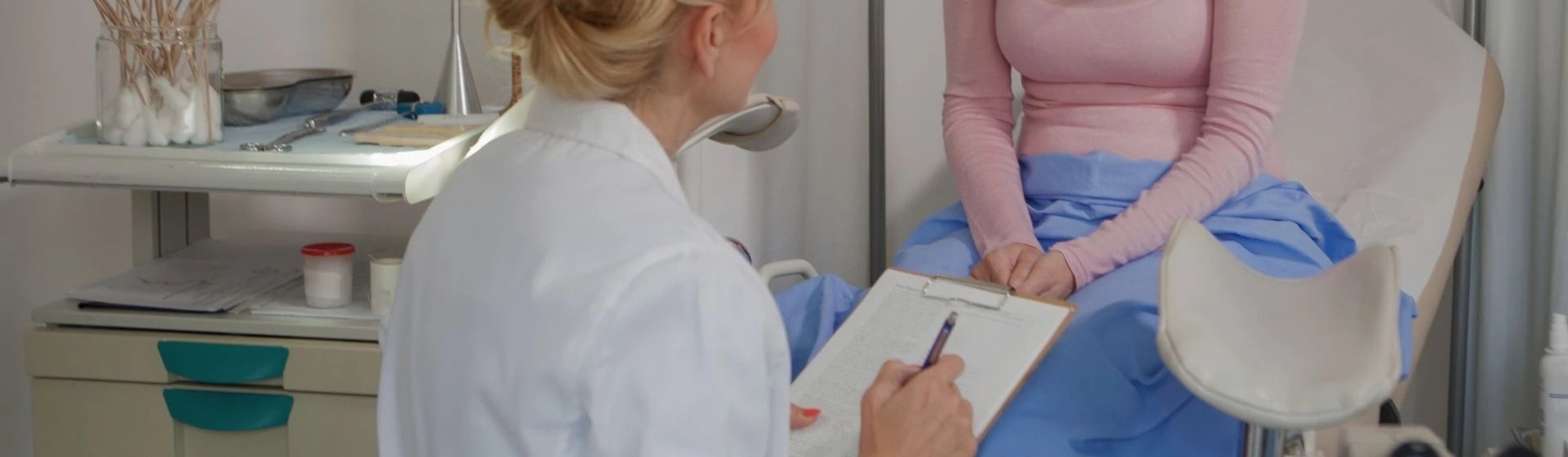
Ectopic pregnancy
Treatment of ectopic pregnancy in Kiev
An ectopic pregnancy occurs when the egg implants not in the uterine lining, but on the wall of the fallopian tube, ovary, or abdominal cavity. It is impossible to carry such a pregnancy to term. Treatment is performed surgically. It is crucial that the operation is carried out at an early stage. As the embryo grows, there is a risk of rupture of the reproductive organ, which is dangerous for the woman’s health and life.
In different countries, the prevalence of ectopic pregnancy ranges from 1.2% to 2%, and in 98% of cases the embryo attaches to the fallopian tube.
Symptoms of ectopic pregnancy
In the early weeks, an ectopic pregnancy may present like a normal one: missed menstruation, breast enlargement, etc. Painful symptoms appear as the fertilized egg grows. This may occur between the 3rd–5th week of pregnancy or as late as the 8th week.
Signs of ectopic pregnancy include:
-
dull, sharp, or cramping pain in the lower abdomen;
-
occasionally pain in the perineum and during urination;
-
bloody discharge (light or heavy);
-
nausea, vomiting, dizziness;
-
fatigue, drowsiness.
Rupture of the fallopian tube is accompanied by intense pain due to internal bleeding, slowed or accelerated pulse, decreased blood pressure, and deterioration of general condition.
A spontaneous abortion may also occur, accompanied by severe pain and bleeding.
In such cases, it is necessary to immediately call an ambulance or go to the clinic.
Forms of ectopic pregnancy
Ectopic pregnancy occurs in several forms depending on where the egg implants.
Types include:
-
Tubal – the egg implants in the fallopian tube;
-
Cervical – the egg attaches to the cervix;
-
Ovarian – localized on the ovary wall;
-
Abdominal – attached to the abdominal wall;
-
Heterotopic – one egg implants in the uterus and develops normally, while the second implants outside the uterus.
Tubal pregnancy accounts for 98% of all cases. Other types are quite rare and usually associated with specific patient pathologies.
Causes of ectopic pregnancy
In most cases, an ectopic pregnancy occurs when something hinders the movement of the egg through the fallopian tube to the uterus. This may include adhesions, inflammatory processes, and other disorders.
Risk factors include:
-
congenital abnormalities of reproductive organs;
-
inflammation of the adnexa;
-
past surgeries on the fallopian tubes;
-
infections of reproductive organs;
-
endometriosis;
-
endocrine disorders;
-
adhesions, cysts, and tumors in the pelvis;
-
chromosomal abnormalities;
-
use of intrauterine devices;
-
abortions;
-
IVF;
-
severe stress;
-
harmful habits.
According to statistics, ectopic pregnancy is more common in women aged 35 to 44 and those who have previously given birth.
Complications of ectopic pregnancy
Complications usually occur as the embryo grows. These may include:
-
heavy blood loss;
-
internal bleeding;
-
rupture of the fallopian tube, ovary, or other organs.
Rupture of the tube leads to internal bleeding. The woman requires emergency surgery, as this is life-threatening. During the operation, the damaged tube is removed and sometimes both, which can lead to fertility issues and infertility.
Diagnosis of ectopic pregnancy
The main diagnostic method is ultrasound (US) of the pelvic organs. A gynecologist may detect a mass in the fallopian tube and other abnormalities.
To confirm the diagnosis, blood tests for human chorionic gonadotropin (hCG) and other lab tests are conducted. In ectopic pregnancy, hCG levels do not correspond to the norm — they may be lower or not rise over several days.
Treatment of ectopic pregnancy
Ectopic pregnancy is most often treated surgically. The type and extent of surgery depend on the location and size of the fertilized egg and the presence of complications, such as tubal rupture.
At early stages, minimally invasive laparoscopic surgery is performed. This allows the removal of the fertilized egg while preserving the fallopian tube and thus the woman’s reproductive function. If the embryo is larger than 4 cm, or if the fallopian tube has ruptured or other pathologies are present, the tube may be removed.
Laparoscopic surgery is performed using special endoscopic equipment. It allows access to the organ through small incisions up to 1 cm without opening the abdominal cavity.
Laparoscopic procedures are minimally traumatic, safe, and involve a short recovery period. They leave no scars on the skin or internal adhesions, which is important for planning future pregnancies.
In cases of tubal or ovarian rupture, or large embryo size, traditional open surgery (laparotomy) may be required. This is necessary for urgent control of internal bleeding and repair of organ damage.
In rare cases, medication therapy may be used at early stages. Drugs are administered to induce miscarriage. However, this is not always effective and carries risks of serious complications. Surgery may still be required, and sometimes a more complex one. Conservative treatment is mainly used at the patient’s request and refusal of surgery. In this case, regular US scans and hCG tests are performed.
Sometimes, spontaneous resolution of ectopic pregnancy occurs. However, there is a risk that not all parts of the fertilized egg will be expelled, so further diagnostics are needed.
To avoid complications, it is best to seek medical help immediately. Oxford Medical doctors will perform all necessary tests and, if ectopic pregnancy is confirmed, choose the optimal treatment method.
Oxford Medical specialists have high professional qualifications and many years of experience. Diagnosis and treatment are carried out according to national and international protocols.
Ectopic pregnancy treatment is provided in the day or 24-hour surgical inpatient unit at Oxford Medical. The clinic is equipped with the latest technology from top global brands, ensuring maximum accuracy in diagnostics and enabling minimally invasive hystero- and laparoscopic surgeries. This minimizes damage to healthy tissue, shortening the recovery period.
After surgery, patients are transferred to comfortable one- or two-bed rooms with a private bathroom, air conditioning, TV, and everything needed for a pleasant stay. Usually, patients can leave the clinic on the same day or the next morning.
Prevention of ectopic pregnancy
It is recommended to plan a new pregnancy 9–12 months after an ectopic one to reduce the risk of recurrence. Additional preventive measures include:
-
visiting a gynecologist and undergoing checkups at least once a year;
-
timely treatment of reproductive system diseases;
-
pre-conception body diagnostics;
-
use of only high-quality intrauterine devices as prescribed by a doctor;
-
quitting smoking, alcohol, and other toxins.
If you notice any alarming symptoms, you should consult a doctor immediately.
You can book a consultation with an obstetrician-gynecologist at Oxford Medical by calling our contact center or messaging in the chat.


Advantages of gynecology at Oxford Medical in Kyiv

Experienced gynecologists. Doctors with extensive clinical experience who regularly complete professional development courses.
Modern diagnostics. Ultrasound, colposcopy, hysteroscopy, laboratory tests.
Comprehensive approach to women’s health. Treatment tailored to age and comorbid conditions.
Surgical capabilities. From minimally invasive to open surgeries performed in a modern surgical facility.
Convenient clinic locations. Departments are available throughout Kyiv — on both the right and left banks.
Comfort at every stage. Attentive care, modern facilities, and a welcoming atmosphere.

Our doctors

 4.82
4.82  29+
29+  29+ Years of experience
  Kyiv, st. Bereznyakivska, 30b
 4.9 6+
Specialist in aesthetic gynecology.
6+ Years of experience Kyiv, Hlybochytska St., 40x Kyiv, Vasyl Lypkivskoho St., 38  4.97 20+ 20+ Years of experience Kyiv, 9 Ivana Kramskoho Street
  4.94 27+ 27+ Years of experience Kyiv, Mykhayla Hryshka St., 1

 in the clinic
  online

 Hello!
Let's take care
about your health:

