Sign up via call center
Department
MRI of the head and neck

MRI of the abdominal cavity and retroperitoneal space

MRI of the abdominal organs is a modern diagnostic method that allows a detailed assessment of the condition of the internal organs and soft tissues in this area. Magnetic resonance imaging provides high image accuracy and helps detect changes that may be barely noticeable during other examination methods.

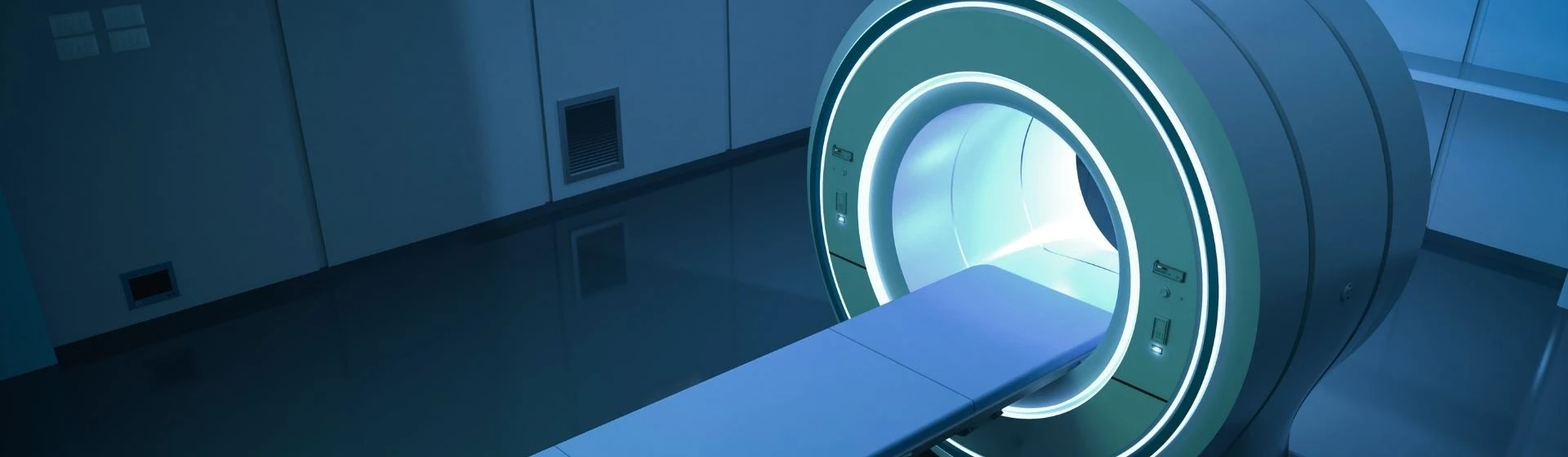
At the medical center “Oxford Medical”, MRI of the retroperitoneal space organs and abdominal organs is performed using the modern GE SIGNA Champion tomograph. The equipment is equipped with AI Recon DL artificial intelligence technologies, which improve image clarity and ensure consistently high scanning quality. This makes it possible to obtain the most accurate results and increases the informativeness of diagnostics.

You can book an MRI of the abdominal cavity and retroperitoneal space in Kyiv at the “Oxford Medical” clinic at a time convenient for you by calling the phone number listed on the website or by leaving a request for a callback.

What MRI of the abdominal cavity shows

Tomography allows a detailed assessment of the condition of the organs and tissues of the abdominal cavity, as well as the structures located in the retroperitoneal space.

During MRI of the abdominal cavity and retroperitoneal space, the following are examined:

  • the liver and bile ducts;
  • the pancreas;
  • the spleen;
  • the kidneys and organs of the retroperitoneal space;
  • the stomach and other parts of the digestive tract;
  • blood vessels, lymph nodes, and soft tissues.

The obtained images make it possible to assess the condition of the organs, their structure, relative position, and possible changes.

Thanks to this, the examination makes it possible to detect:

  • inflammatory processes;
  • benign and malignant neoplasms;
  • cysts and other structural changes;
  • blood supply disorders;
  • the consequences of injuries or past diseases.

In particular, the examination is informative in various diseases of the abdominal organs, including suspected pancreatitis, since it makes it possible to assess the structure of the pancreas, its contours, and the degree of tissue damage.

If necessary, MRI of the abdominal cavity with contrast may be performed, which increases the informativeness of the examination and helps to assess the boundaries of the pathological process more accurately.

Indications for MRI of the abdominal cavity

MRI is prescribed in cases when it is necessary to assess the condition of the internal organs in detail,
clarify the diagnosis, or obtain additional information after other examination methods.

The main indications for performing MRI of the abdominal organs are:

abdominal pain of unclear origin;

suspicion of inflammatory processes in the internal organs;

suspicion of benign or malignant neoplasms;

clarification of changes detected during ultrasound or CT;
 

impaired function of the digestive system organs;
 

suspicion of damage to the liver, pancreas, kidneys, or other organs;

monitoring the effectiveness of treatment or the course of the disease;
 

consequences of abdominal cavity injuries.

List of diseases

Tomography makes it possible to assess the structure of organs, the nature of pathological changes, and their extent more accurately, which is important for determining further treatment tactics. The examination is also used to monitor the condition over time — for example, to assess the effectiveness of treatment or changes in the course of the disease. If there is a need for a detailed study of a specific organ, the scope of the examination may be narrowed. In particular, to clarify changes in the liver, an MRI of the liver may be prescribed, which makes it possible to assess the structure of tissues and the nature of the detected changes in more detail.

Main contraindications

Magnetic resonance imaging is a safe examination method, since it does not use ionizing radiation. However, due to the effect of the magnetic field and, if necessary, the administration of a contrast agent, there are certain limitations.

Absolute contraindications include:

  • the presence of a pacemaker or an implanted cardioverter-defibrillator;
  • cochlear implants;
  • metal structures or implants incompatible with MRI;
  • foreign metal bodies in the body, especially in the area of vital organs.

Relative limitations include:

  • the first trimester of pregnancy;
  • severe claustrophobia;
  • the inability to remain motionless during the examination.

Contraindications to contrast enhancement are considered separately. MRI of the abdominal cavity with contrast is not performed in cases of severe kidney function impairment, since the contrast agent is excreted from the body precisely through them. Also, examination with contrast is not used in the case of hypersensitivity to the drug.

In each case, the decision to perform the examination is made individually, taking into account the patient’s condition and the clinical situation.

Preparation for abdominal cavity MRI

Proper preparation for MRI helps to obtain clearer and more informative images, especially when examining the organs of the digestive system.

It is usually recommended to:

  • refrain from eating for 4–6 hours before the examination; if the examination is scheduled for the morning — come on an empty stomach;
  • if possible, exclude foods that cause increased gas formation on the day before the examination;
  • do not consume carbonated drinks before the procedure;
  • come in comfortable clothing without metal elements;
  • remove all metal objects before the start of scanning.

If MRI of the abdominal cavity with contrast is planned, an assessment of kidney function may be needed in advance. For this, a blood test for creatinine and a calculation of the glomerular filtration rate (GFR) are usually prescribed. This makes it possible to make sure that the administration of the contrast agent is safe.

In some cases, the doctor may provide additional recommendations depending on the purpose of the examination and the clinical situation. In particular, if a more detailed assessment of the digestive tract is needed, for example before performing an intestinal MRI, the preparation requirements may differ.

Magnetic resonance imaging is performed in comfortable conditions using modern equipment, which makes it possible to obtain highly accurate images of the internal organs without radiation exposure.

During the examination, the patient is positioned lying on the back. It is important to remain motionless, since this ensures the clarity and quality of the images. At certain moments, you may be asked to hold your breath briefly — this is a standard part of the procedure that helps visualize the organs more accurately.

The examination takes place in stages: the machine forms a series of images, which makes it possible to assess in detail the condition of the organs of the abdominal cavity and retroperitoneal space, their structure, and their relative position. If necessary, a contrast agent is used, which is administered intravenously and helps determine the nature of the changes and their boundaries more accurately.

The duration of the examination usually is about 20–30 minutes. After completion, the images are analyzed by a radiologist, who prepares an informative report for further assessment of the condition and treatment planning.

How much MRI of the abdominal cavity and retroperitoneal space costs in Kyiv at the “Oxford Medical” clinic

For MRI of the internal organs of the abdominal cavity, the price depends on the format of the examination — with contrast enhancement or without it. Examination with contrast is more extensive, since it involves the administration of a contrast agent and allows a more detailed assessment of the tissue structure and the nature of the changes.

You can ознакомиться with the current cost here. At the “Oxford Medical” clinic, the examination is performed on the modern GE SIGNA Champion tomograph, which provides high image quality and diagnostic accuracy.

If you are interested in MRI of the abdominal cavity in Ukraine in the city of Kyiv, at “Oxford Medical” you can undergo the examination in comfortable conditions using modern equipment and receive the full range of necessary medical services in one medical center — from diagnostics to doctors’ consultations and further treatment.

You can book the examination at a time convenient for you by phone or through the form on the clinic’s website.

Frequently asked questions

Where can I get an MRI of the abdominal cavity?

You can get an MRI of the abdominal cavity in Kyiv at the private clinic “Oxford Medical” at the address: 7A Parkovo-Syretska St., Kyiv (Shevchenkivskyi district). The medical center is located near the “Dorohozhychi” metro station, which makes it convenient to get there by public transport. Free parking is available for patients who arrive by car.

Which organs are included in an MRI of the abdominal cavity?

Such an examination usually includes assessment of the liver, pancreas, and spleen. If necessary, examination of the organs of the retroperitoneal space — the kidneys and adrenal glands — is additionally performed. Such a scope of examination makes it possible to assess the condition of the internal organs in detail, detect pathological changes, and clarify the diagnosis.

Why is MRI of the abdominal cavity performed?

MRI of the abdominal cavity is performed to clarify the diagnosis, assess the condition of the internal organs, and detect pathological changes. The examination helps diagnose inflammatory processes, neoplasms, blood supply disorders, and the consequences of injuries. The examination is also used to monitor the effectiveness of treatment and observe the course of the disease over time.

How long does an MRI of the abdominal cavity take?

The duration of magnetic resonance imaging usually ranges from 20 to 30 minutes. The examination time may vary depending on the scope of the examination and the need to use a contrast agent. During the procedure, it is important to remain motionless and follow the specialist’s recommendations in order to obtain the clearest and most informative images possible.

Can MRI of the abdominal cavity be performed during menstruation?

Menstruation is not a contraindication to performing MRI of the abdominal cavity. The examination can be performed on any day of the cycle. At the same time, in some cases, the doctor may recommend choosing another day for a more accurate assessment of individual organs, depending on the purpose of the examination.

Can you eat before an MRI of the abdominal cavity?

Before an MRI of the abdominal cavity, it is usually recommended to refrain from eating for 4–6 hours before the examination. If the examination is scheduled for the morning, it is performed on an empty stomach. This helps reduce gas formation and improves the visualization of the organs, which increases the accuracy of the obtained results.

Can you smoke before an MRI of the abdominal cavity?

Before undergoing an MRI of the abdominal cavity, it is advisable to refrain from smoking for at least several hours before the examination. Smoking may affect peristalsis and cause spasms of the digestive system organs, which complicates visualization. Following this recommendation helps obtain more accurate and informative examination results.

( Rating: 5 , Votes: 75 )
Our services
Services
MRI of the abdominal organs (liver, pancreas, spleen)
6300.00 ₴
Sign up by the call center
MRI of the abdominal organs (liver, pancreas, spleen) and kidneys and adrenal glands
4950.00 ₴
Sign up by the call center
MRI of the abdominal organs (liver, pancreas, spleen) (with contrast)
8400.00 ₴
Sign up by the call center
MRI of the abdominal organs (liver, pancreas, spleen) and kidneys and adrenal glands (with contrast)
6300.00 ₴
Sign up by the call center
MRI of the retroperitoneal space (kidneys, adrenal glands)
4750.00 ₴
Sign up by the call center

Advantages of MRI at the “Oxford Medical” clinic

Modern tomograph. The examination is performed on the GE SIGNA Champion machine with artificial intelligence technologies that ensure high image clarity.

Experienced radiologists. The results are analyzed by specialists with many years of experience, which guarantees correct interpretation of the images.

Comprehensive approach. At the clinic, you can undergo additional examinations, receive consultations from doctors of various specialties, and begin treatment.

Convenient clinic location. The clinic is located near the “Dorohozhychi” metro station, which makes it easy to get there both by public transport and by car.

Reviews
Антон 03.02.2026
Звертався для проходження МРТ хребта. Сподобалася організація процесу. Перед обстеженням відповіли на всі запитання, під час процедури почувався нормально. Обладнання сучасне, умови комфортні. Висновок підготували оперативно, що було важливо для подальшої консультації з лікарем.
Star Star Star Star Star
Марія 03.02.2026
Проходила МРТ, залишилися дуже хороші враження. Обстеження пройшло спокійно, спеціаліст уважно все пояснив перед початком процедури. У кабінеті комфортно, запис був на конкретний час, тож не довелося чекати. Результати отримала швидко, висновок зрозумілий і детальний. Загалом сервіс на високому рівні.
Star Star Star Star Star
Current information
All Articles
Sign up via call center
in the clinic
online
This site is protected by reCAPTCHA technology, and the Google Privacy Policy and Terms of Service apply.

Hello!
Let's take care
about your health:
Sign up via call center

We use cookies and other technologies to remember your preferences and find out exactly how you use and interact with the site.

By using our site, you also agree to the terms of the "User Agreement" and "Regulation on the processing and protection of personal data". By clicking "I AGREE", you consent to the processing of your data.