

 Adults Adults Adults Adults Adults Adults Adults Adults Adults
  Children Children Children Children


 Hotline:
 Adults Adults Adults Adults Adults Adults Adults Adults Adults Children Children Children Children


Anal fissure treatment
Treatment of anal fissures in Kyiv
In terms of frequency of its occurrence, such unpleasant disorder as the anal fissure concedes only to hemorrhoid and colitis. This disease is encountered with approximately 12% of patients, consulting with proctologists.
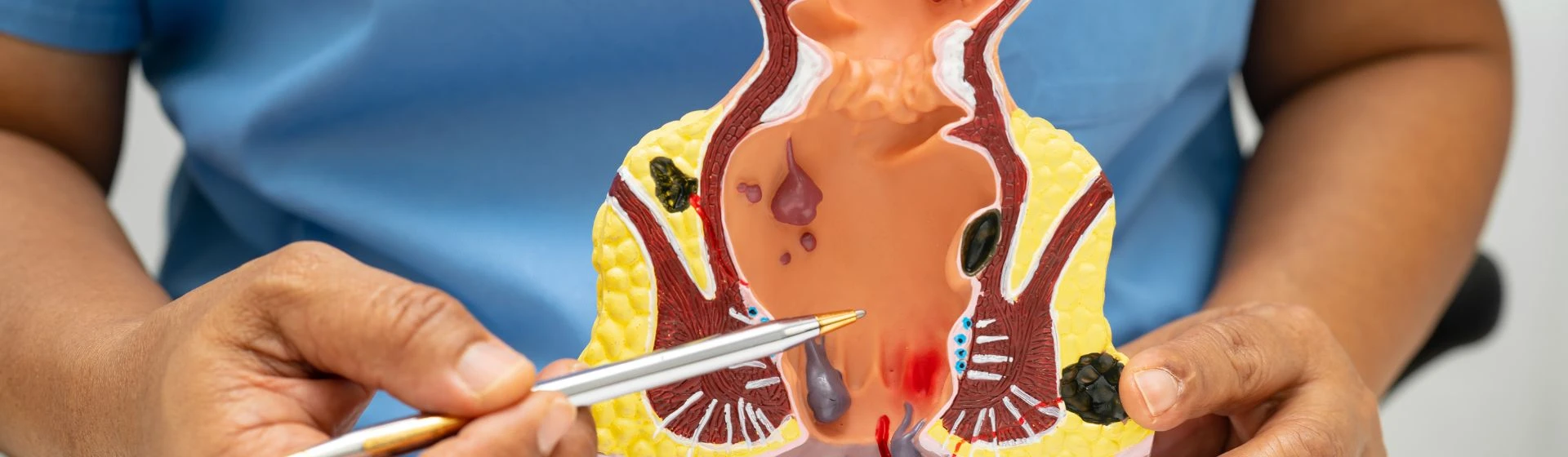
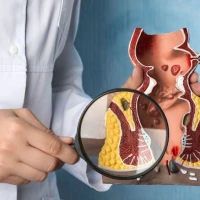
The anal fissure is a randomly occurring break of mucous membrane of anal canal. The form of anal fissure resembles a slit with smooth and even edges. In advanced cases of the disease, the connective tissue is growing over the edges of fissure, and the tissues undergo trophic changes. The development of redundant tissue, which threatens with formation of a fibrous polyp, starts within the area of fissure edges.
The anal fissures are very frequently accompanied with the pain during defecation, sphincter spasms and blood-streaked discharges from the anus. In addition, the rectal fissures often cause constipation, as due to severe pains, the person often strains bowel movement.
Multiple factors may lead to the occurrence of anal fissures:
- disturbance of blood circulation in the anus (most often, due to the sedentary lifestyle);
- problems with gastrointestinal tract (gastritis, ulcer disease, cholecystitis);
- anal injuries (for example, during constipation or as the result of insertion of foreign bodies);
- rectum structure;
- continuous anal sphincter muscle spasm, caused by CNS pathologies;
- hemorrhoid.
Symptoms of rectal fissure
The anal fissures may be chronic and acute. The main signs of acute anal fissures include:
- complicated defecation, accompanied with pains;
- blood-streaked discharges from the anus;
- anal sphincter spasms.
The symptoms of chronic anal fissures include:
- continuous periodic pain in the anus, especially intensifying when sitting for long time;
- prolonged period of delay of defecation due to pain and unpleasant feelings;
- bleeding during constipation;
- purulent discharges from the anus.
After identifying even minor symptoms of anal fissures, you should never delay your visit to a proctologist and treatment. If you ignore the rectal fissures for long time, they can lead to very serious complications:
- pronounced pain syndrome due to the anal sphincter muscle spasm;
- excessive bleeding;
- painful inflammatory processes (acute paraproctitis, colitis, rectal fistula);
- prostatitis (among men).
Stages of anal fissures
There are 2 stages of anal fissures:
- Acute - lasts for 1-2 months after the appearance of the rupture, proceeds without changes in the surrounding tissues and can be treated with medication.
- Chronic - develops 1-2 months after the appearance of the fissure, accompanied by thickening of the edges of the fissure, the formation of scars and other structural changes, so it is treated only by surgery.
Methods of treatment of anal fissures
It is very important to timely see a proctologist upon appearance of the first symptoms of rectal fissures – it will help to avoid surgical intervention. In Oxford Medical clinic, the acute anal fissures are effectively treated with the help of exclusive drugs and injections. If the disease became chronic, the conservative methods are not very effective. The doctors have to resort to surgical methods of treatment, which are accompanied with some unpleasant moments: complications, infections, inflammatory processes. These procedures are painful and require a continuous rehabilitation period.
The Proctology Department of Oxford Medical clinic uses a unique painless and highly effective method of treatment of anal fissures – radio-wave therapy. By using a radio-wave apparatus Surgitron, the proctologist can perform many operations just for one day and with maximum efficiency.
The advantages of using a radio-wave device:
- Absolute painlessness. Radio-wave surgery allows incising soft tissues, using high-frequency waves (3.8 – 4.0 MHz). As a result, the incision is performed without any physical pressure over tissue and cell fission.
- Exposure to radio-wave high frequencies has a sterilizing effect and prevents risk of occurrence of complications and inflammations after the operation, development of postoperative edemas and formation of scars.
- There is no need in the narcosis, which is frequently tolerated by patients worse than after the operation itself. The performance of operation, using Surgitron apparatus, requires only local anesthesia and injections of the sedative drug.
- After the procedure, the patient does not have any scars left, and the healing process passes quickly and painlessly.
Advantages of the radio wave method
The advantages of radio wave treatment of anal fissures are
- refusal of anesthesia and manipulation under local anesthesia;
- opening of tissues with the help of high-frequency radio waves without the use of a scalpel, which ensures maximum reduction of discomfort
- reducing the risk of postoperative inflammation and other complications due to the disinfectant properties of high-frequency radio wave radiation;
- fast and painless recovery;
- no scars after surgery.


Advantages of the Oxford Medical Proctology Department in Kyiv

Experienced proctologists. Qualified specialists with extensive treatment experience.
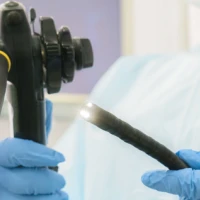
Advanced diagnostic equipment. Video rectosigmoidoscopy, colonoscopy, and other modern methods.
Unique treatment methods. Use of HAL-RAR and other minimally invasive technologies.
Comprehensive care. Possibility to undergo all tests and examinations on-site.

Our doctors

 4.94
4.94  24+
24+  24+ Years of experience
  Kyiv, Hlybochytska St., 40x
 4.96 24+
  24+ Years of experience Kyiv, Hlybochytska St., 40x
  4.79 3+
  4.88 10+ 10+ Years of experience Kyiv, st. Bereznyakivska, 30b


 in the clinic
  online

 Hello!
Let's take care
about your health:

