


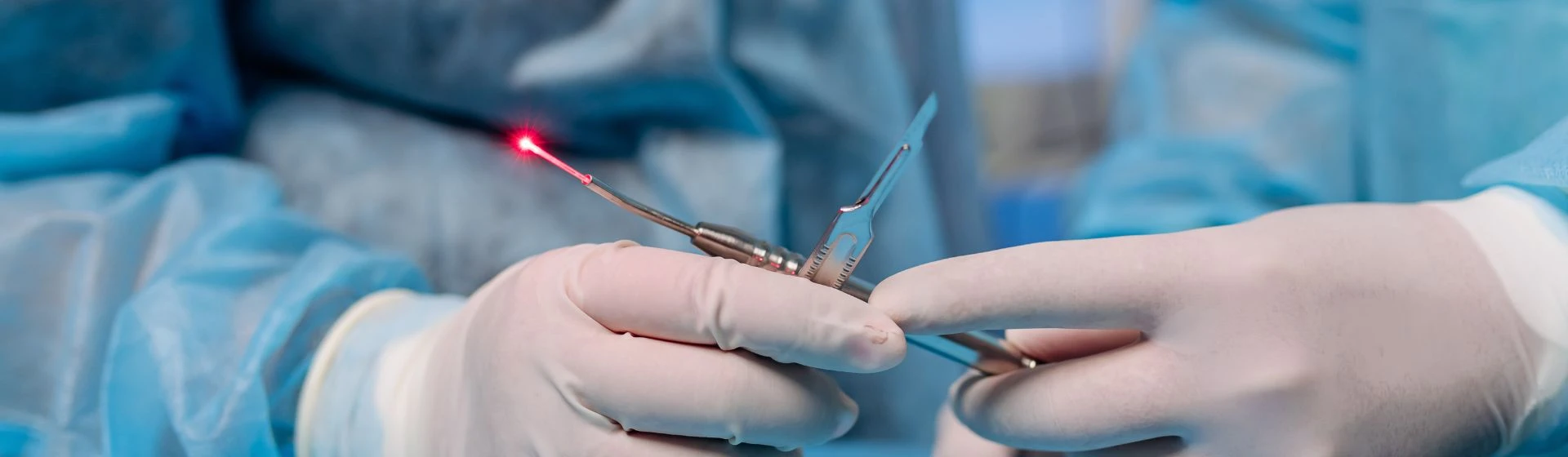
One of the most modern minimally invasive methods. The laser beam allows very precise воздействие on the tissues and carefully removes the excess fold of skin. During the procedure, coagulation of the vessels occurs simultaneously, therefore the risk of bleeding is minimal. The method is characterized by low trauma and promotes faster healing of the tissues.
Sign up via call center 
 Adults Adults Adults Adults Adults Adults Adults Adults Adults
  Children Children Children Children
Department
Adults Outpatient department
Adults Outpatient department
Inpatient department
Adults Inpatient department
Aesthetic medicine
Adults Aesthetic medicine
Dentistry
Adults Dentistry
Plastic surgery
Adults Plastic surgery
Diagnostics
Adults Diagnostics
Analyzes
Adults Analyzes
Outbound services
Adults Outbound services
Children Outpatient department
Children Outpatient department
Dentistry
Children Dentistry
Diagnostics
Children Diagnostics

Kyiv


 Hotline:
 Request a call:


Department
Adults Outpatient department
Adults Outpatient department
Inpatient department
Adults Inpatient department
Aesthetic medicine
Adults Aesthetic medicine
Dentistry
Adults Dentistry
Plastic surgery
Adults Plastic surgery
Diagnostics
Adults Diagnostics
Analyzes
Adults Analyzes
Outbound services
Adults Outbound services
Children Outpatient department
Children Outpatient department
Dentistry
Children Dentistry
Diagnostics
Children Diagnostics
Removal of anal fringe
Anal skin tags are small soft folds of skin around the anus. They may appear after hemorrhoids, thrombosis of hemorrhoidal nodes, anal fissures, or other inflammatory processes in this area. Such formations are usually not dangerous, however they may cause discomfort, complicate hygiene, and lead to aesthetic inconvenience. In such cases, a doctor may recommend their removal.
At the clinic “Oxford Medical” in Kyiv, removal of anal skin tags is performed using modern minimally invasive methods, in particular the laser and radio wave method. If necessary, classical surgical excision is also used. A proctologist selects the optimal method of the procedure taking into account the size of the formation, the condition of the tissues, and the individual characteristics of the patient.
Anal skin tags: causes of formation and symptoms
The appearance of anal skin tags is most often associated with previous diseases or inflammatory processes in the anorectal area. After the tissues in this area heal, small folds of skin may remain, which form anal skin tags.
The most common causes of their appearance include:
- hemorrhoids or thrombosis of hemorrhoidal nodes;
- healing of anal fissures;
- inflammatory processes in the rectal area;
- chronic constipation, accompanied by frequent straining during defecation;
- tissue trauma during childbirth.
Externally, an anal skin tag may look like a small soft fold of skin near the anus. Sometimes patients describe it as a growth near the anus or a small lump on the anus.
In many cases, a skin tag does not cause pain and may not bother a person for a long time. However, sometimes it causes unpleasant sensations, especially if it becomes inflamed or injured.
In such a case, a person may experience the following symptoms:
- a feeling of a foreign formation near the anus;
- discomfort while sitting or walking;
- difficulties with hygiene of this area;
- skin irritation or anal itching.
If an anal skin tag causes constant discomfort, becomes inflamed, or increases in size, a doctor may recommend removal after examination and assessment of the condition of the tissues.
Removal of anal skin tags: main methods
The treatment strategy is selected individually after examination by a proctologist. The doctor evaluates the size and number of skin formations, the condition of the tissues around the anus, and the presence of inflammation or accompanying proctological diseases. Taking these factors into account, the optimal method of anal skin tag removal is determined.
In modern proctology several main methods are used:
Laser removal
Radio wave method
The removal of skin tags is performed using a device that generates high-frequency radio waves. Under their influence, the tissues are dissected without significant mechanical pressure, which allows the procedure to be performed delicately and reduces damage to the surrounding areas. The recovery period after the procedure is usually short.
Classical surgical excision
Used in cases when the formations have significant size. During the procedure the doctor carefully excises the excess skin using a surgical instrument. Such a procedure allows the problem to be completely eliminated even in more complex clinical situations.
The choice of method depends on the size of the formation, the condition of the skin, and the individual characteristics of the patient. In most cases, the procedure is performed on an outpatient basis, takes little time, and does not require a long stay in the clinic.
Preparation for anal skin tag removal
Before the removal of a skin tag, it is important for the patient to follow several simple recommendations that help perform the procedure safely and reduce the risk of complications. The doctor provides specific recommendations individually, taking into account the patient’s health condition and the selected method of intervention.
Main recommendations before the procedure:
- undergo the necessary tests if prescribed by the doctor (most often a general blood test and a coagulogram);
- do not eat food 6–8 hours before the procedure if the intervention is performed in the morning;
- empty the intestines on the day of the procedure;
- use a micro-enema if necessary, if recommended by the doctor;
- perform thorough hygiene of the anal area before the procedure;
- inform the doctor about taking medications, especially those that affect blood clotting.
Following these recommendations helps perform the procedure more safely and reduces the risk of complications after the intervention. The doctor always provides the patient with clear individual instructions for preparation.
Rehabilitation and possible complications
After the procedure, the patient can usually return home on the same day. The recovery period depends on the size of the formation, the method of intervention, and the individual characteristics of the body. In most cases, healing occurs within several weeks.
In order for the recovery process to proceed faster and without complications, the doctor provides the patient with recommendations for care of the intervention area.
Main recommendations during the rehabilitation period:
- careful hygiene of the anal area, especially after defecation;
- avoiding strong straining during bowel movements;
- temporary restriction of heavy physical activity;
- treatment of the intervention area and the use of ointments or other products prescribed by the doctor.
For normal healing it is important to maintain regular bowel function. In some cases the doctor may recommend dietary correction or other measures to avoid constipation, which may complicate the recovery period.
After the procedure moderate discomfort, slight swelling, or sensitivity in the area of the intervention may occur. Such manifestations usually decrease within a few days.
Complications after the procedure occur rarely, but sometimes the following may occur:
- bleeding from the intervention area;
- inflammation of the tissues;
- pain during defecation;
- slow wound healing.
If severe pain appears after the procedure, body temperature rises, or bleeding increases, it is necessary to consult a doctor. Following the specialist’s recommendations helps reduce the risk of complications and promotes faster recovery after removal of the skin tag.
Anal skin tag removal: price in Kyiv at the clinic “Oxford Medical”
At the private clinic “Oxford Medical”, the procedure is performed on an outpatient basis using modern minimally invasive methods. A proctologist selects the optimal removal method taking into account the clinical situation and the individual characteristics of the patient.
The cost of anal skin tag removal depends on several factors: the size and number of formations, the complexity of the procedure, and the selected method of intervention. You can предварительно ознакомиться with the prices for doctor consultations and other medical services here. More detailed information about treatment options and the cost of the procedure will be provided by the doctor during the initial appointment.
To schedule a consultation at a time convenient for you, use the online appointment form on the website or contact the call center using the phone numbers indicated on the website.
Frequently asked questions
Is it necessary to remove anal skin tags?
Anal skin tags usually do not pose a threat to health and do not always require treatment. However, their removal may be recommended if the formations cause discomfort, complicate hygiene of the anal area, frequently become inflamed, or cause itching and skin irritation.
How long does the wound heal after skin tag removal?
The healing period depends on the size of the formation, the method of removal, and the individual characteristics of the body. In most cases, primary healing occurs within 7–14 days, and complete tissue recovery may take several weeks. In order for the wound to heal faster, it is important to follow the doctor’s recommendations and maintain regular bowel function.

Our services
Consultations

Consultation with a proctologist surgeon
1100.00 ₴
Add Added 
Consultation with a leading proctologist surgeon
1989.00 ₴
Add Added
Services
Anal fringe removal
6889.00 ₴
Sign up by the call center

Advantages of treatment at the clinic “Oxford Medical”

Experienced doctors. Appointments are conducted by proctologists with many years of experience who regularly improve their qualifications.
Modern treatment methods. Minimally invasive techniques are used that allow the formation to be carefully removed with minimal tissue trauma.
Individual approach. The doctor selects the treatment method taking into account the size of the formation, the condition of the tissues, and the general condition of the patient.
Comfortable conditions. Procedures are performed in a modern private clinic in compliance with safety standards and patient comfort.
Show more 
Reviews
Марія 17.02.2026
Лікар Фролова, щиро дякую за високий професіоналізм, уважність та турботу! Призначене лікування виявилося ефективним і швидко дало позитивний результат. Дякую!!!

Христина 14.02.2026
Я дуже вдячна лікарю Єлєні Юріївні Фроловій!!! Не вперше звертаюся за допомогою!! Налаштовує на позитив, все пояснить! Уважна, чуйна, добра, дуже грамотна та професійна! Дуже вдячна від усієї душі!

Current information



Sign up via call center
 in the clinic
  online

 Hello!
Let's take care
about your health:
Sign up via call center 
