

 Adults Adults Adults Adults Adults Adults Adults Adults Adults
  Children Children Children Children


 Hotline:
 Adults Adults Adults Adults Adults Adults Adults Adults Adults Children Children Children Children


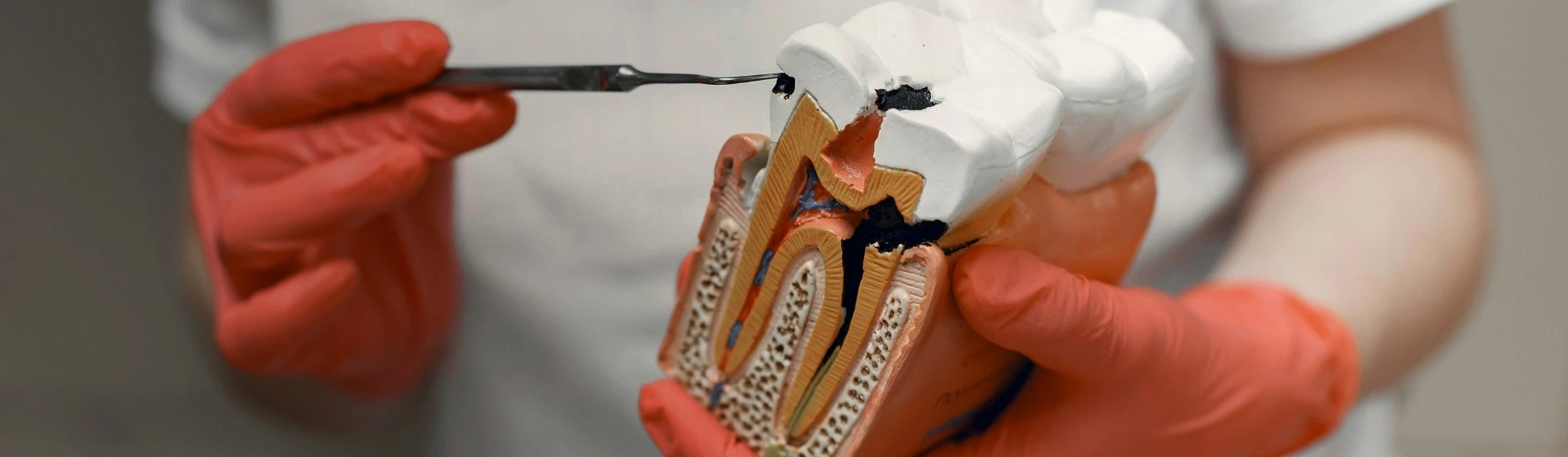
Periodontitis treatment
Periodontitis treatment
The toothache obscures conscience and makes you think only how to get rid of it. The toothache may be indicative of the apical periodontitis. It is highly not recommended to ignore the toothache, alleviating it with painkillers. The emergency measures should be taken; otherwise, it may result in complications and loss of tooth. The apical periodontitis is treated; however, the effectiveness of treatment depends on the timely visit to a dentist. Oxford Medical clinic will help solving this problem.
Acute and Chronic Apical Periodontitis – Difference
The apical periodontitis is the process of inflammation of the tissues, surrounding a tooth, which is accompanied by the excess of ligaments, holding a tooth in the socket, destruction of bone tissue and cortical plasticity.
There can be:
- infection induced (complication of untreated caries);
- drug induced (as the result of improper dental treatment);
- trauma induced (as the result of traumas).
Should the acute apical periodontitis occur, the patients note the localized pain, having the permanent nature. Initially, the pain is dull and can occur when biting. Upon the disease progression and its transition to the stage of purulent inflammation, the pain becomes more intensive, throbbing, shooting with rare pain-free intervals. Your general feeling may become unwell; you may feel general weakness, insomnia and high body temperature.
During the chronic type of the apical periodontitis, there is no reaction to the cold and hot food; the chronic form is often asymptomatic. The pain may occur if tapping a tooth or biting. The pain is not intense, moderate. It is accompanied by the gangrenous odor, color change of a tooth, sensation of heaviness; the fistula opening, which will be occasionally oozing pus, may appear on the gum. The chronic apical periodontitis often leads to the tooth extraction, as the patient seeks medical aid very late due to mild symptoms.
The apical periodontitis is primarily diagnosed based on the patients’ complaints, which point to the sensation of pain in the concrete tooth when biting or permanent (dull, throbbing) pain. To detect the chronic form, you should necessarily undergo the X-ray or CT scan, which will precisely determinate the form and progression of the apical periodontitis. Based on the diagnosis data, you may forecast the future of a sore tooth.
How Is the Treatment of Apical Periodontitis Performed?
At the initial stage, the treatment consists in the necessity to have the serous or purulent exudate oozed. In case of the acute form of the apical periodontitis, the dental cavity is opened for natural oozing of exudate; the curative measures are performed after the process stops.
The treatment is based on the conservative approach - ultrasonic, mechanical and medication treatment of root canals, taking restorative medication, filling the root canal with curative drugs. After the inflammation in the periodontium is removed, the permanent tightly sealed filling of the system of root canals is performed.
As a rule, the treatment of apical periodontitis is confined to 2-3 visits to a dentist. However, some cases require a long-term treatment with strict fulfilment of recommendations. If all the above-listed measures do not have proper positive effect, then such tooth has to be removed. In such case, after reducing the inflammation, the question of further placement of implants or dentures is decided.
Quality of Service in Oxford Medical Clinic
Oxford Medical clinic is fitted with all necessary and modern equipment. The dental diseases diagnosis and treatment are performed in compliance with European standards. A 10-year experience, presence of affiliates all over Ukraine, positive reviews of our patients speak of the bona fide and professional approach of our doctors. Our doctors will kindly help to solve health-related issues.
Make appointment with the dentists of Oxford Medical clinic by calling us or filling out the form on our website.


Our doctors

 5
5  22+
22+  22+ Years of experience
  Kyiv, Pavlivska St., 26/41
 4.91 16+ 16+ Years of experience Kyiv, Pavlivska St., 26/41
 5 3+ 3+ Years of experience Kyiv, Andriy Verkhoglyad St., 14B




 in the clinic
  online

 Hello!
Let's take care
about your health:

