

 Adults Adults Adults Adults Adults Adults Adults Adults Adults
  Children Children Children Children


 Hotline:
 Adults Adults Adults Adults Adults Adults Adults Adults Adults Children Children Children Children



Longo operation (stapled hemorrhoidopexy)
Longo operation (staple hemorrhoidopexy) in Kyiv
Hemorrhoids, or piles, are the proctologic disease for which dilatation of the hemorrhoidal plexus and the formation of nodes is characteristic. As the disease progresses, the patient begins to worry about bleeding from the anal passage and painful sensations during defecation. Over time aggravation of symptoms is observed, hemorrhoids may fall out. Hemorrhoids do not go away on their own and require mandatory treatment.
Indications for stapled hemorrhoidopexy
The Longo method is new for Ukrainian medicine, but in European practice it has been successfully implemented since 1993, when it was developed by Professor Antonio Longo (Vienna, Austria).
The operation is usually prescribed by proctologists to the patients with the third or fourth stage of hemorrhoids, it is also effective in circular prolapse of nodes. It is important to note that the method is used only for internal hemorrhoids.
Longo operation: the principle of the method
The purpose of the intervention is to remove the circular area of the mucous membrane and submucosal tissues with blood vessels, which allows tightening the hemorrhoids and blockage of the flow of blood to them. Hemorrhoids, deprived of nutrition, gradually dissolve.
Access to the area of operation is obtained with the help of disposable sterile anoscope, and the intervention itself is carried out by a special device which excises and sutures the mucous membrane. Due to this hemorrhoids are displaced, fixing in the normal position. Overlapping of blood supply provides their further gradual decrease and disappearance.
Advantages of the Longo method
Stapled hemorrhoidopexy is a low-traumatic operation, the duration of which, as well as the recovery period after it, is minimal. The intervention takes place in the area of the mucous membrane of the rectum, devoid of pain receptors, at a distance of 4-5 centimeters from the anus.
Due to this, the severity of pain syndrome after surgery is significantly reduced, healing is accelerated and there is no need for daily specific treatment of the wound (application of ointments, wearing a pad that absorbs blood), which should be carried out by patients after a traditional surgery.
The procedure itself takes less than an hour, the recovery period lasts only several days, after which the patient can return to everyday life. The duration of the postoperative period may depend on the patient’s individual characteristics, but it usually lasts no more than 4 or 5 days and is painless or with minimal discomfort. An important role in successful recovery plays careful adherence to all recommendations of the attending doctor regarding nutrition and physical activity regime.
Longo surgery is performed with a set of disposable instruments in the operating room. This fact excludes introduction of infection of the patient.


Advantages of the Oxford Medical Proctology Department in Kyiv

Experienced proctologists. Qualified specialists with extensive treatment experience.
Advanced diagnostic equipment. Video rectosigmoidoscopy, colonoscopy, and other modern methods.
Unique treatment methods. Use of HAL-RAR and other minimally invasive technologies.
Comprehensive care. Possibility to undergo all tests and examinations on-site.

Our doctors
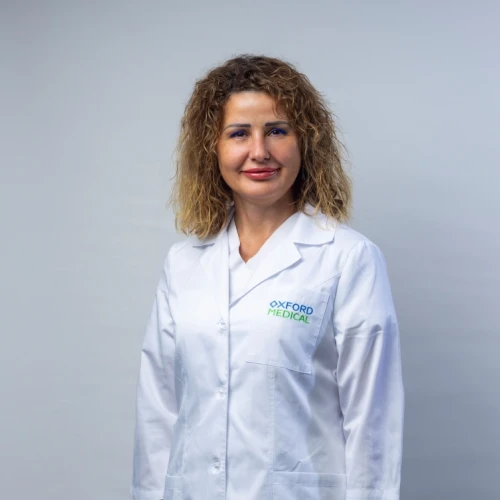
 4.94
4.94  24+
24+  24+ Years of experience
  Kyiv, Hlybochytska St., 40x
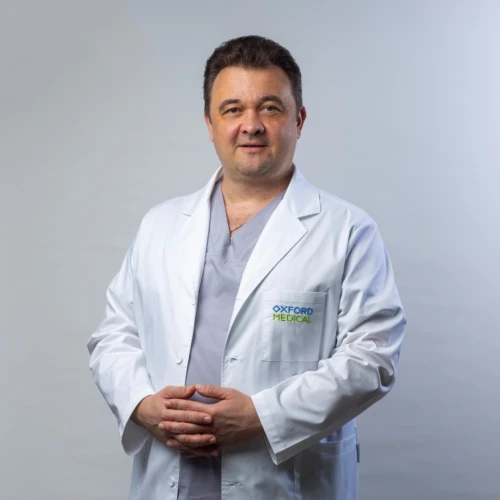 4.96 24+
  24+ Years of experience Kyiv, Hlybochytska St., 40x
 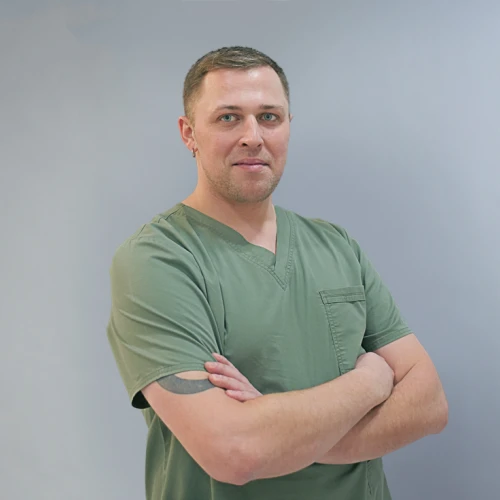 4.79 3+
 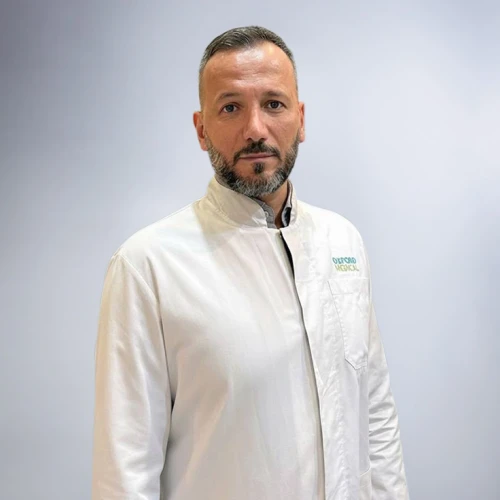 4.88 10+ 10+ Years of experience Kyiv, st. Bereznyakivska, 30b



 in the clinic
  online

 Hello!
Let's take care
about your health:

