keloidosis and other dermatological diseases
After 1 session, the skin condition is significantly improved.

 Adults Adults Adults Adults Adults Adults Adults Adults Adults
  Children Children Children Children


 Hotline:
 Adults Adults Adults Adults Adults Adults Adults Adults Adults Children Children Children Children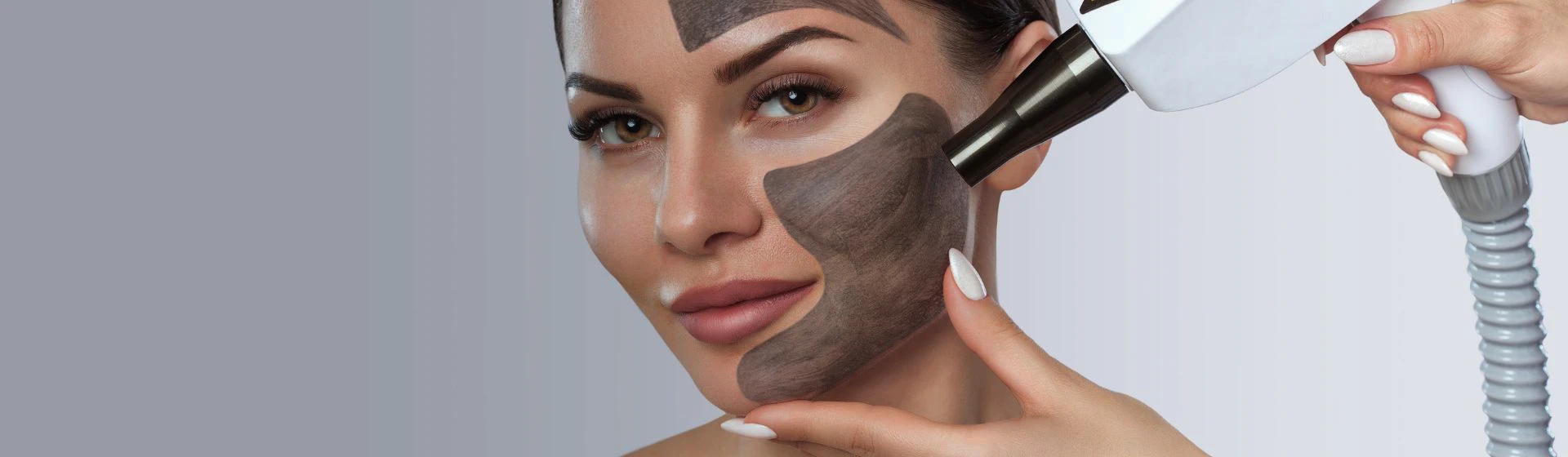
Pitted acne scars laser resurfacing is an aesthetic procedure that evens out the texture and color of the skin. The laser acts on the upper and middle layers during the session, removing various defects and enhancing the skin self-regeneration processes. As a result, the epidermis is renewed, and the skin looks healthier. In addition, its firmness and elasticity increase, wrinkles and other age-related changes are reduced.
Laser resurfacing is one of the most effective procedures in cosmetology. The result is noticeable after the first session.
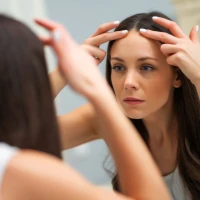
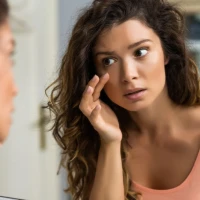
Acne scars are the marks that remain after acne. It can manifest as enlarged pores, pigmentation, atheromas, milia, and cicatrices. Atrophic, hypertrophic, and keloid scars are often formed if rashes take place. They look like cavities or growths on the skin. They appear in places where collagen fibers are broken.
The causes of pitted acne scars are the following:
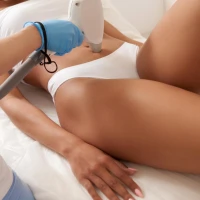
Today there are several different ways to remove acne and other skin imperfections. The most effective of these is laser resurfacing. During the procedure, the skin is exposed to light energy, which penetrates the superficial and deep layers of the skin. It gently destroys scar tissue and stimulates the processes of cell regeneration and the production of substances responsible for its firmness and elasticity.
As a result of laser resurfacing, scar tissue is reduced, and the skin relief becomes smoother. Also, pigmentation goes away, and fine wrinkles are straightened, due to which, simultaneously with the healing one, a rejuvenating effect is also manifested.

At Oxford Medical, acne scars treatment is carried out using two modern Israeli-made devices - Matrix RF and E-Max (Elos). The first one works on radio wave energy, making the procedure even more effective and safe. In the E-Max (Elos) device, laser and radio wave energy are combined and act on the skin simultaneously. As a result, the procedure allows you to solve several problems simultaneously, mainly removing scars, eliminating pigmentation, and rejuvenating the skin.
The advantages of laser skin resurfacing are:
After 1 session, the skin condition is significantly improved.
You can treat both a small area and the whole face.
Ensures the removal of scars, active tissue regeneration, and the production of collagen and elastin.
A simultaneous resolving of several cosmetic problems.
When performing the procedure on a piece of high-quality equipment by an experienced specialist, the risk of complications is minimized.

Before treating the effects of acne, you need to consult with an experienced beautician. The specialist must assess the skin's condition and determine the type of acne, which determines the choice of the procedure. Also, during a preliminary consultation, be sure to inform the beautician if you have chronic diseases or are undergoing long-term drug therapy.
Before laser procedures, it is recommended to adhere to the following rules:

2 weeks do not sunbathe in the sun and do not visit the solarium
Do not use peels and scrubs for 2 weeks
Do not take antibiotics and drugs that affect blood clotting for 1-2 weeks
Do not take a hot bath, do not visit saunas and swimming pools for 3 days
Do not use alcohol-based cosmetics for 3 days
Do not drink alcoholic beverages for 3 days
 All tips
Stages of acne scars laser resurfacing:
The procedure takes from 10 minutes to 1 hour, depending on the size of the treated area. However, it is often painless due to the powerful cooling system built into the device - a stream of cold air enters the skin along with the laser. If necessary, an anesthetic gel is also used.
Peculiarities of the rehabilitation period and its duration depend on the intensity of exposure to the skin. On average, recovery takes 3-7 days. There may be slight redness and swelling on the skin during this time.
After laser acne scars resurfacing, it is recommended to:
Also, the cosmetologist can give individual recommendations on the observance of which the procedure's effectiveness largely depends.
Some contraindications are relative. The procedure can be carried out after the patient's condition has returned to normal.
Contraindications to laser resurfacing are:


keloidosis and other dermatological diseases
herpes in the active phase
blood diseases
decompensated diabetes mellitus
autoimmune disorders
epilepsy
oncological diseases
exacerbation of chronic diseases
acute illnesses (colds, etc.)

The skin condition improves markedly after 1 procedure, but it may take 4-6 with an interval of 3-6 weeks to obtain the maximum effect.
Laser resurfacing is not carried out for skin inflammation and recurrent acne. However, if acne is non-inflammatory, the procedure is possible after a preliminary consultation with a cosmetologist.
Laser resurfacing evens out the relief and tone of the skin, allows you to remove traces of acne, post-acne, scars, pigmentation, and other skin imperfections.
The duration of the rehabilitation period depends on the degree of laser exposure and is on average 3-7 days.


Performing the procedure on an Israeli-made E-Max (Elos) devices
Complex effect on the skin of laser and radio wave energy
Individual choosing of methods for treating traces of acne
Simultaneous improvement and rejuvenation of the skin
Proven effectiveness and safety of the procedure
Many years of experience and high qualification of cosmetologists
Flexible loyalty program
Free preliminary consultation

 4.91
4.91  23+
23+ 
 23+ Years of experience


 in the clinic
  online
  Hello!