

 Adults Adults Adults Adults Adults Adults Adults Adults Adults
  Children Children Children Children


 Hotline:
 Adults Adults Adults Adults Adults Adults Adults Adults Adults Children Children Children Children


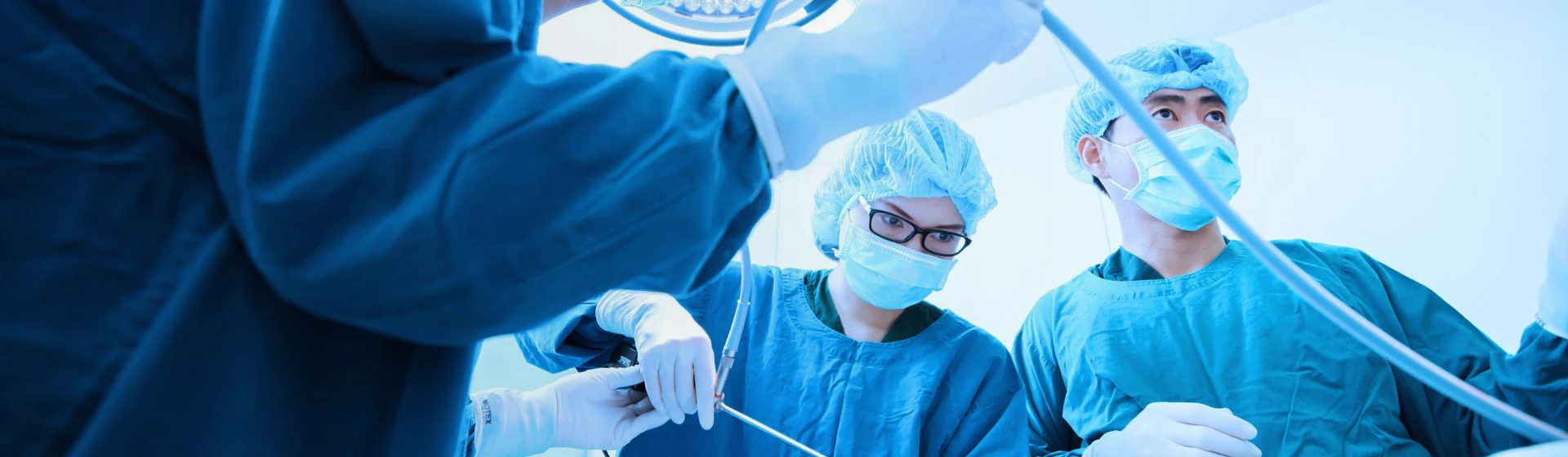
Cystoscopy
A loyalty program is available for surgical interventions in the hospital, which makes treatment even more affordable.
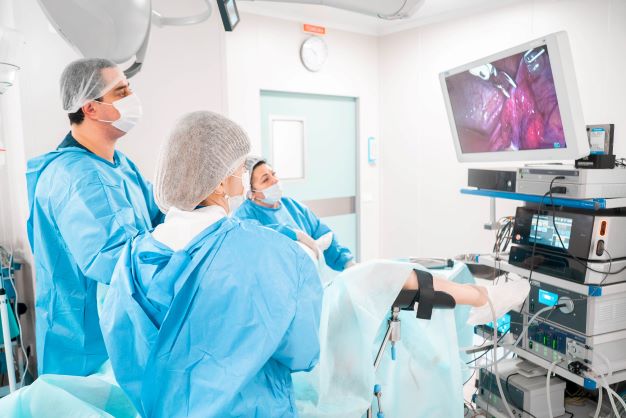
Cystoscopy — is a method of diagnosing bladder diseases, in which the doctor, using a special endoscopic device (cystoscope), is able to examine the mucous membranes of this organ. During the examination, a thin flexible tube of the device with a camera at the end is inserted through the patient's urethra and allows you to assess the condition of the urethra and bladder.
Cystoscopy: indications
The study is prescribed by a doctor if the results of the examination, laboratory tests, and ultrasound diagnostics are insufficient to make an accurate diagnosis. In this case, the mucous membrane of the urethra (urethra) and bladder is examined.
The examination may be prescribed for the following symptoms:
- blood in the urine;
- painful sensations during urination (stinging, burning);
- frequent urge to empty the bladder;
- a feeling that the bladder is not emptying completely;
- pain in the lower abdomen or lower back;
- cloudiness of urine.
Ureterocystoscopy can be effective in diagnosing urethritis, cystitis, prostatitis, tumors, enuresis, urolithiasis, ulcers, polyps, papillomas, ureterocele, stones and anatomical pathologies of the genitourinary system.
Cystoscopy is a safe procedure, but in some cases it may be contraindicated due to certain medical conditions. The main contraindications to bladder lavage are acute urinary tract infections, recent injuries or surgeries in the bladder or urethra, suspected perforation of the bladder or urethra, and a tendency to bleed.
Preparing the patient for cystoscopy
Preparation for cystoscopy is quite simple. It includes the following rules. 3-4 hours before cystoscopy, fluid intake is stopped. Immediately before the procedure, the patient must empty the bladder. With general anesthesia, the last meal should be no less than 10-12 hours before the examination. General anesthesia is more often prescribed when performing cystoscopy in men, since their urethra is several times longer than in women. At the same time, cystoscopy in women is performed mainly under local anesthesia.
Performing a cystoscopy
There is no need to worry about whether cystoscopy is painful. Cystoscopy of the bladder is usually performed under local or general anesthesia. In the first case, an anesthetic is injected into the urethra, in the second - the patient is put under anesthesia before the procedure. The cystoscope is inserted into the urethra, there, for a better view, saline is injected and the examination begins. As the urethra passes, the doctor carefully studies the condition of its mucous membranes, then examines the bladder, taking, if necessary, samples for laboratory examination (biopsy).
Uretrocystoscopy also allows you to assess the functioning of the kidneys - the nature of the secretions of the right and left ureters, which open into the bladder, is clearly visible during cystoscopy.
Cystoscopy can be not only diagnostic, but also therapeutic manipulation - during the procedure, it is possible to crush small stones (concrements), "cauterize" (electrocoagulate) ulcers and erosions, remove polyps, clots or foreign bodies (restore urethral patency). Using a cystoscope, washing with various solutions and administering medications is also performed.
After cystoscopy, you may feel some discomfort, which is manifested by a burning sensation that increases during urination, but it quickly passes. To alleviate the sensations, it is recommended to drink more fluids.
Cystoscopy: price at the Oxford Medical clinic
By choosing «Oxford Medical», you can be sure of the quality of diagnostics and attention to your health at every stage of treatment.
You can find out the preliminary cost of cystoscopy of the bladder in men and women here. It should be noted that it may vary depending on the chosen anesthesia: local anesthesia or general anesthesia. In our clinic, cystoscopy is performed by highly qualified doctors using modern equipment that ensures the accuracy and safety of the procedure.
To get more detailed information about the price and conditions of the procedure, make an appointment with a urologist - the doctor will answer all your questions and inform you of the exact price of the examination, taking into account the individual characteristics of your condition.


Advantages of cystoscopy at Oxford Medical Clinic

Modern equipment: the clinic is equipped with advanced cystoscopes, which allows you to minimize discomfort and obtain the clearest possible image of the condition of the bladder
Highly qualified staff: all procedures are performed by experienced urologists who provide a professional approach and care for the patient at all stages of the examination.
Safety and comfort: the procedure is performed under anesthesia and in conditions of complete sterility, which minimizes the risk of complications
Individual approach: the clinic's doctors take into account all the health characteristics of each patient, which guarantees the accuracy of diagnosis and the effectiveness of further treatment




 in the clinic
  online

 Hello!
Let's take care
about your health:

