Sign up via call center
Department
Laparoscopic cholecystectomy in private dentistry Oxford Medical Kyiv

Cholecystectomy

Cost of services
Consultations
Consultation with a surgeon
1200.00 ₴
Order
Services
Uncomplicated cholecystectomy (laparoscopic/laparotomic)
23889.00 ₴
Sign up by the call center
Complicated cholecystectomy (laparoscopic/laparotomy)
27889.00 ₴
Sign up by the call center

Cholecystectomy is a surgical operation to remove the gallbladder. Most often, it is performed using the laparoscopic method — through several small incisions in the abdomen, without a large opening of the abdominal cavity. This approach makes it possible to reduce tissue trauma, postoperative pain, and shorten the recovery period compared to open surgery.

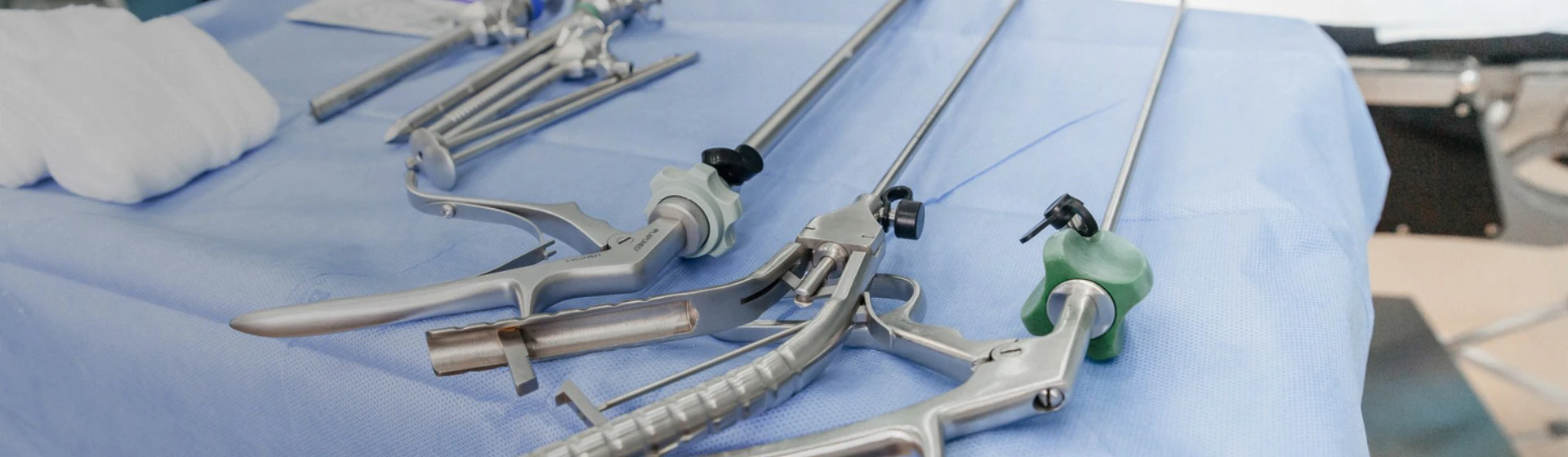
At Oxford Medical, laparoscopic cholecystectomy is also performed using an innovative technique — microlaparoscopy. Thanks to the use of instruments with a smaller diameter, surgeons can remove the gallbladder through significantly smaller incisions than with standard laparoscopy. This helps reduce tissue trauma, accelerate recovery, and make postoperative scars less noticeable.

Microlaparoscopy is a high-tech gallbladder operation that requires special equipment and a high level of surgical skill. Our specialists have undergone specialized training and internships, mastered this technique, and have already successfully performed dozens of such interventions.

Indications for gallbladder removal

According to NICE, the main indication for surgery is gallstone disease, when
stones cause pain or other symptoms. If they are detected incidentally and do not
cause symptoms, surgical intervention is usually not necessary.

Indications for cholecystectomy:

symptomatic gallstone disease;

acute or chronic cholecystitis;

stones in the common bile duct;

previous gallstone pancreatitis;

gallbladder polyps measuring 10 mm or more or with suspicious features;

calcification of the gallbladder wall in the presence of additional risk factors;

certain functional disorders of the gallbladder;

suspected malignant neoplasm of the gallbladder.

List of diseases

The need for surgery is determined taking into account symptoms, examination results, and the risk of complications. In particular, small polyps without suspicious features do not always require gallbladder removal.

Contraindications to cholecystectomy

Before cholecystectomy, it is important to exclude conditions in which the operation may pose an excessive risk to the patient. Contraindications are divided into temporary ones, when the intervention is postponed until the condition improves, and absolute ones, when it is impossible to perform it safely.

Temporary contraindications to elective surgery:

  • acute infectious diseases not associated with gallbladder pathology;

  • exacerbation of severe concomitant diseases;

  • decompensated heart failure, if the condition can be stabilized before the intervention;

  • blood clotting disorders that require correction.

In these cases, the necessary treatment is carried out first. After the patient's condition has been stabilized, the operation can be performed.

Absolute contraindications are conditions in which the patient cannot tolerate the operation or the necessary anesthesia, and it is impossible to eliminate these risks. For example, this may be severe irreversible cardiopulmonary failure or blood clotting disorders that cannot be corrected. If gallbladder removal is necessary, but the surgical risk is unacceptable, doctors consider alternative methods of providing medical care.

Certain contraindications relate specifically to the laparoscopic method. Abnormal anatomy of the bile ducts, pronounced inflammatory changes, or extensive adhesions after previous operations may prevent the safe performance of laparoscopy. If such features are detected during the examination, the surgeon may immediately plan an open operation. Sometimes difficulties become apparent only during the intervention — then the doctor switches from the laparoscopic to the open method. According to SAGES, the frequency of such conversion is 2–15%.

Preparation for cholecystectomy

Before gallbladder removal, the patient undergoes a comprehensive examination to clarify the nature of the disease, assess the general state of health, and rule out possible contraindications. Since the operation is performed under general anesthesia, a consultation with an anesthesiologist is also necessary before the intervention.

Usually, preparation for surgery includes:

  • general blood and urine tests;

  • biochemical blood analysis, including liver function tests and bilirubin levels;

  • a coagulogram to assess blood clotting;

  • an electrocardiogram;

  • ultrasound of the abdominal organs;

  • additional examinations if indicated.

Based on the examination results, the surgeon determines the extent of the intervention and the possibility of performing it using the laparoscopic method. If there is a suspicion of stones in the bile ducts, additional studies may be required to clarify the diagnosis.

Before the operation, it is necessary to inform the doctor about chronic diseases, allergic reactions, and medications that are taken regularly. This particularly applies to medications that affect blood clotting and medications for diabetes mellitus.

Main recommendations for preparation:

  • abstain from alcohol several days before the operation;

  • avoid fatty and fried foods, especially if they provoke pain or nausea;

  • do not eat for at least 8 hours before the operation;

  • do not drink for 2 hours before anesthesia.

Doctors at Oxford Medical recommend discussing all medications you take with the surgeon before the operation, including blood-thinning medications and medications for the treatment of diabetes mellitus. Some of them may require a temporary change in the medication regimen to reduce the risk of bleeding and other complications during the intervention.

How cholecystectomy is performed

At Oxford Medical, gallbladder removal is performed under general anesthesia in a modern surgical inpatient facility. During the operation, the patient is asleep and does not feel pain, while the anesthesiologist continuously monitors the patient's condition. Laparoscopic intervention usually lasts 40–90 minutes, but more time may be required in cases of complex anatomical features or pronounced inflammation.

The main stages of cholecystectomy:

  • Anesthesia. The anesthesiologist administers general anesthesia and ensures monitoring of vital signs throughout the entire operation.

  • Creating access. The surgeon usually makes 3–4 small incisions in the abdomen, through which a video camera and special instruments are inserted. The abdominal cavity is filled with carbon dioxide to create space for work.

  • Dissection of the gallbladder. Under video camera guidance, the doctor determines the location of the bile duct and artery that connect the gallbladder to other structures. After verifying the anatomy, they are occluded and divided.

  • Removal of the organ. The gallbladder is carefully separated from the liver and extracted through one of the incisions.

  • Completion of the operation. The surgeon checks the surgical area, removes the carbon dioxide, and closes the incisions. After anesthesia is completed, the patient is transferred for postoperative monitoring.

Doctors at Oxford Medical note: if pronounced adhesions, significant inflammation, or anatomical features that do not allow laparoscopy to be safely continued are detected during the intervention, the surgeon may switch to open surgery. Such a decision is made to prevent damage to the bile ducts and other organs.

Recovery after cholecystectomy

After laparoscopic gallbladder removal, the patient usually stays in the hospital for 1–2 days. During the first few days, moderate pain in the area of the incisions and abdominal bloating are possible. These symptoms gradually decrease as recovery progresses.

At Oxford Medical, patients are under round-the-clock supervision by medical staff in comfortable single and double rooms. Doctors monitor the condition after surgery and provide the necessary pain relief. Getting up and walking a little is usually possible within a few hours after the intervention.

Main recommendations for the recovery period:

  • keep postoperative wounds clean and dry, change dressings according to the surgeon's recommendations;

  • take prescribed painkillers and other medications according to the established regimen;

  • take short walks daily, gradually increasing their duration;

  • during the first 2–4 weeks, avoid lifting heavy objects, intense training, and significant tension of the abdominal muscles;

  • attend follow-up examinations and suture removal on time.

Doctors at Oxford Medical note: recovery after gallbladder removal using the laparoscopic method usually lasts about 2-3 weeks. And after open surgery, the recovery period is longer and may last 6–8 weeks.

Possible complications after gallbladder removal

After laparoscopic cholecystectomy, complications occur rarely, but it is impossible to completely rule them out. Like any surgical intervention, the operation carries certain risks. According to the National Health Service (NHS), possible complications are associated with the healing of postoperative wounds, damage to the bile ducts, and other consequences of the operation.

Possible complications of cholecystectomy:

  • bleeding during or after the operation;

  • infection of postoperative wounds;

  • leakage of bile into the abdominal cavity;

  • damage to the bile ducts or neighboring organs;

  • formation of blood clots in the veins;

  • retention of stones in the bile ducts.

The risk of complications depends on the patient's condition, the severity of inflammation, and the anatomical features of the biliary tract. At Oxford Medical, operations are performed by experienced surgeons using modern equipment. Thorough examination before the intervention, the use of modern equipment during the operation, and professional postoperative monitoring help reduce the risks.

Doctors at Oxford Medical recommend not waiting for a scheduled examination if severe or increasing abdominal pain, fever, jaundice, or pronounced redness and discharge from postoperative wounds appear after discharge from the hospital. Such symptoms may indicate complications and require urgent medical attention.

Diet after cholecystectomy

After gallbladder removal, the liver continues to produce bile, but it no longer accumulates in the gallbladder and instead enters the intestine directly. The body needs some time to adapt to these changes. During the first few weeks, fatty foods may cause bloating, abdominal discomfort, or diarrhea, so it is recommended to expand the diet gradually.

Main features of nutrition after surgery:

  • The first few hours. When the patient has fully awakened from anesthesia and there is no nausea, drinking water in small sips can be started with the doctor's permission.

  • The first 1–2 days. Eating begins with small portions of light food: low-fat soup, porridge, mashed potatoes, or other dishes that are well tolerated. Liquid or pureed food may be more convenient at first, but a strict diet consisting of pureed dishes is usually not necessary.

  • The next 1–2 weeks. The diet is gradually expanded by adding lean meat, fish, vegetables, and other familiar foods. It is better to eat small portions 4–5 times a day and temporarily limit fatty and fried dishes.

  • Further nutrition. As well-being improves, it is possible to return to a normal balanced diet. Most patients do not need a permanent strict diet after cholecystectomy.

During the first few weeks, it is advisable to limit fatty meat, fried dishes, fast food, fatty sauces, and large amounts of butter. Alcohol should be avoided for at least the first 48 hours after general anesthesia and while taking medications that are incompatible with it. Subsequently, the doctor's recommendations and well-being should be taken into account.

It is not advisable to completely eliminate fats from the diet or avoid entire food groups for a long time without medical indications. If a certain food causes discomfort, it can be temporarily limited and reintroduced later in small portions.

Doctors at Oxford Medical recommend paying attention to food tolerance during the first few weeks after surgery. If pain, pronounced bloating, or diarrhea that does not go away regularly occurs after eating, it is necessary to consult a gastroenterologist or surgeon. Such symptoms are not always associated only with changes in bile outflow and may require additional examination.

How much does gallbladder removal cost in Kyiv at the private clinic Oxford Medical

The price for open and laparoscopic cholecystectomy depends on the complexity of the intervention. You can review the prices for medical services in advance here. The surgeon can provide you with precise information about the cost during a consultation. To book an appointment at Oxford Medical, use the online booking form on the website or contact the contact center by phone.

The information is for informational purposes only and does not replace a doctor's consultation.

Sources:

Frequently Asked Questions

Do scars remain after gallbladder removal?

Yes, small scars remain at the incision sites after laparoscopy. They usually gradually become lighter and less noticeable over several months. During microlaparoscopy, instruments with a smaller diameter are used, so some of the incisions may be even smaller. The final appearance of the scars depends on the characteristics of skin healing.

Can you eat candy after gallbladder removal?

Yes, sweets do not need to be completely excluded from the diet. During the first few weeks, it is better to choose small portions of low-fat sweets and limit chocolate candies with a high fat content, cream desserts, and baked goods. If bloating or diarrhea occurs after certain foods, temporarily avoid them.

Can you lift heavy objects after gallbladder removal?

During the first 2–4 weeks after laparoscopic surgery, it is recommended to avoid lifting heavy objects and significant straining of the abdominal muscles. The surgeon determines the exact duration of restrictions depending on the size of the incisions and the course of healing. After open cholecystectomy, restrictions usually last longer — about 6–8 weeks.

Can you undergo MRI after laparoscopic cholecystectomy?

Yes, in most cases, MRI can be performed after surgery. Surgical clips, which are usually used to occlude the bile duct and artery, are made of materials compatible with MRI. Before the examination, it is necessary to inform the specialist about the previous operation.

Why does the right side hurt after gallbladder removal?

During the first few days, moderate pain in the right upper quadrant may be associated with tissue healing after surgery. It should gradually decrease. If the pain intensifies, does not go away, or is accompanied by fever, nausea, or yellowing of the skin, it is necessary to consult a doctor urgently. Such symptoms may indicate postoperative complications.

Does gallbladder removal affect pregnancy?

Cholecystectomy itself does not impair reproductive function and does not prevent pregnancy from occurring. After full recovery, a woman can usually plan a pregnancy without additional restrictions associated with the absence of the gallbladder.

Can gallbladder removal surgery be performed during menstruation?

Yes, menstruation itself is not a contraindication to cholecystectomy. If the patient feels well, elective surgery can usually be performed without postponing the date. The medical staff must be informed about the onset of menstruation. In cases of heavy bleeding, severe weakness, or anemia, the doctor may recommend changing the date of the intervention.

( Rating: 4.88 , Votes: 52 )
Surgical ward

Advantages of the General Surgery Department "Oxford Medical" in Kyiv

24-hour surgical care. Patients can contact the admissions department at any time of day.

Experienced surgeons. On-duty doctors work with acute surgical conditions and perform urgent operations of varying complexity.

Accurate diagnostics. Laboratory tests, ultrasound, radiography, CT, and ECG are performed around the clock for a rapid assessment of the patient's condition.

Equipped operating rooms. Surgical interventions are performed in high-tech operating rooms with expert-class equipment.

Intensive care. For patients who require enhanced monitoring, wards with equipment for supporting the body's vital functions are provided.

Comfortable inpatient facilities. After stabilization of their condition, patients continue recovery in single or double hotel-type rooms.

Our doctors

Lifshitz Yuriy Zinovyyovych - surgeon of the highest category, Doctor of Medical Sciences, private clinic Oxford Medical Kyiv
4.9
rating (48)
47+
Years of experience
Surgeon of the highest category, Doctor of Medical Sciences
47+ Years of experience
Make an appointment
Valetskyi Valeriy Leontiyovych - surgeon-oncologist of the highest category, candidate of medical sciences, private clinic Oxford Medical Kyiv
4.62
rating (26)
42+
Years of experience
Surgeon-oncologist of the highest category, Candidate of Medical Sciences
42+ Years of experience
Consultation 2100
Kyiv, st. Bereznyakivska, 30b
Make an appointment
Mudrievsky Bogdan Lyubomirovich
4.85
rating (20)
40+
Years of experience
Online consultation
Surgeon
40+ Years of experience
Consultation 1200
Kyiv, st. Bereznyakivska, 30b
Make an appointment
Kovalchuk Alexander Vasilyevich
4.95
rating (20)
43+
Years of experience
Surgeon of the highest category
Candidate of Medical Sciences
43+ Years of experience
Consultation 1200
Kyiv, st. Bereznyakivska, 30b
Make an appointment
All doctors
Reviews
Віктор 21.09.2026
Звернувся до Костянтина Вікторовича за другою думкою щодо необхідності операції на хребті. Лікар уважно переглянув усі знімки, провів огляд і детально пояснив можливі варіанти лікування. Сподобалося, що нічого не нав'язував, а аргументовано відповів на кожне запитання. Зараз дотримуюся його рекомендацій, самопочуття поступово покращується.
Star Star Star Star Star
Віктор 17.09.2026
Потрапив до Костянтина Вікторовича через біль у шиї та оніміння руки. На прийомі лікар детально розпитав про симптоми, перевірив результати обстежень і зрозуміло пояснив ситуацію. Пройшов призначене лікування, після якого оніміння зменшилося, а рухати шиєю стало набагато легше. Задоволений результатом.
Star Star Star Star Star
Current information
All Articles
Sign up
in the clinic
online
This site is protected by reCAPTCHA technology, and the Google Privacy Policy and Terms of Service apply.
Hello!
Let's take care
about your health:
Sign up via call center

We use cookies and other technologies to remember your preferences and find out exactly how you use and interact with the site.

By using our site, you also agree to the terms of the "User Agreement" and "Regulation on the processing and protection of personal data". By clicking "I AGREE", you consent to the processing of your data.