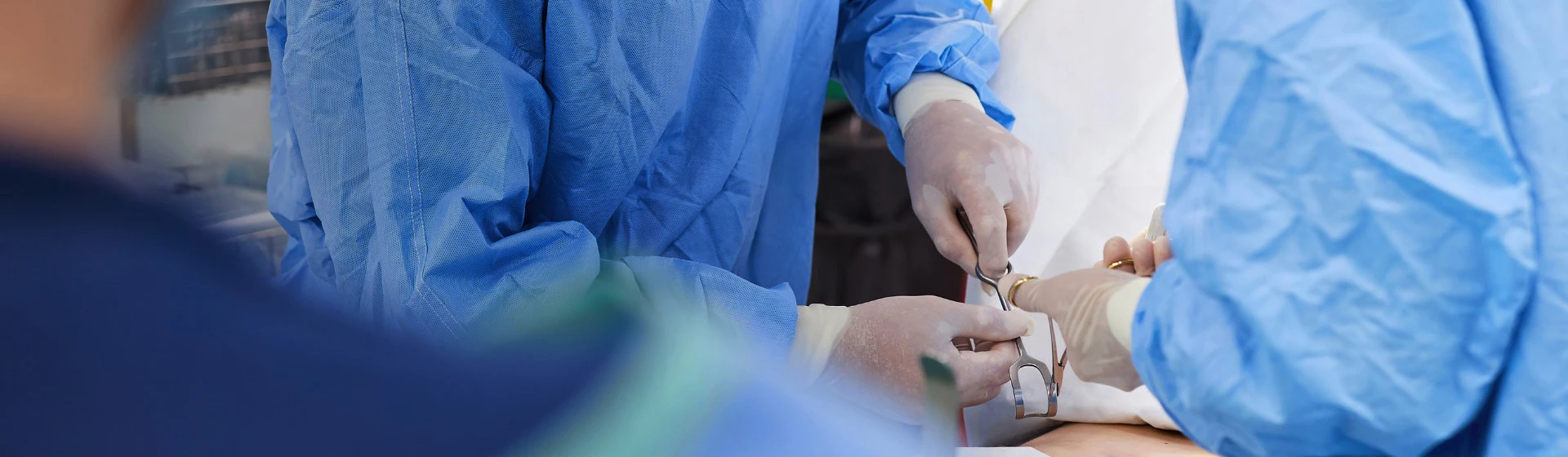
Before the operation, the patient undergoes a consultation with a surgeon. The doctor studies the examination results, clarifies the location of the cyst and its relationship with blood vessels. This helps determine the extent of the intervention and assess the possibility of preserving the spleen. The surgeon also determines whether there are concomitant diseases, allergic reactions, and which medications the patient takes regularly.
Preoperative examination usually includes:
-
general blood and urine tests;
-
biochemical blood analysis;
-
a coagulogram to assess blood clotting;
-
an electrocardiogram and a consultation with an anesthesiologist.
If necessary, the doctor prescribes additional examinations. If the patient takes medications that affect blood clotting, the surgeon determines whether it is necessary to temporarily change their medication regimen before the operation.
Doctors at Oxford Medical explain: if complete removal of the spleen is planned, it is important to arrange vaccination in advance. After such an operation, the body becomes more vulnerable to certain severe bacterial infections. Therefore, before an elective splenectomy, existing vaccinations are checked and, if necessary, vaccination against pneumococcus, meningococcus, and Haemophilus influenzae type b infection is performed. The recommended timing is at least 14 days before the operation.
Laparoscopic and open interventions are performed under general anesthesia. Eating is prohibited for 8 hours before the operation, and drinking clean, still water should be stopped 2 hours beforehand. On the day of the intervention, only medications approved by the anesthesiologist may be taken, with a small amount of water.