Sign up via call center
Department
Removal of uterine polyps at the private clinic Oxford Medical Kyiv

Uterine Polyp Removal

Cost of services
Consultations
Consultation with an obstetrician-gynecologist
1100.00 ₴
Order
Consultation with a leading obstetrician-gynecologist
1989.00 ₴
Order
Online consultation with an obstetrician-gynecologist
1100.00 ₴
Sign up by the call center
Services
Hysteroresectoscopy with polypectomy
9889.00 ₴
Sign up by the call center

The loyalty program applies to surgical interventions in the inpatient department, making treatment even more affordable.

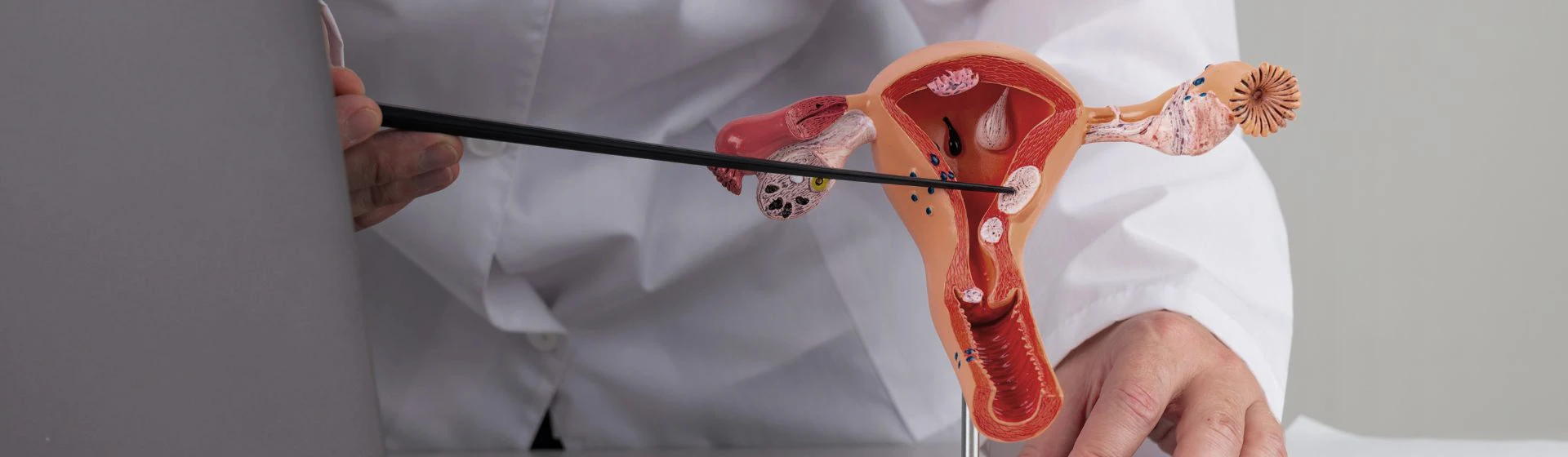
A uterine polyp is a localized overgrowth of the endometrium that forms in the uterine cavity. Most often, it is benign, but it can cause bloody discharge between menstruations, heavy periods, and difficulties with conception. Sometimes the formation does not cause symptoms and is detected accidentally during an examination. Whether it needs to be removed is determined individually by the gynecologist after diagnostics.

At the “Oxford Medical” medical center, examinations and hysteroscopic removal of polyps in the uterus are performed by experienced gynecologists using expert-class equipment. Schedule a consultation with a gynecologist by phone or through the online appointment form.

Polyp in the Uterus: Causes of Formation

The exact cause of the appearance of polyps is not always known. They form when a separate area of the endometrium begins to grow excessively.

According to National Library of Medicine, the likelihood of the formation of polyps in the uterus may be increased by:

  • hormonal changes and increased sensitivity of the endometrium to estrogens;
  • irregular ovulation, particularly with menstrual cycle disorders;
  • the period before menopause and after its onset;
  • excess body weight;
  • diabetes mellitus, arterial hypertension, and other metabolic disorders;
  • taking certain medications that affect the condition of the endometrium.

The presence of one or several risk factors does not mean that the formation will necessarily appear. In many cases, an endometrial polyp is detected in women without obvious preconditions.

Symptoms of a Polyp in the Uterus

A small polyp in the uterus may not cause symptoms for a long time. Complaints
most often appear when the formation increases or several neoplasms form in
the uterine cavity.

The main symptoms:

bloody discharge between menstruations or after sexual intercourse;

heavy, prolonged, or irregular menstruation;

bloody discharge after menopause;

pulling pain in the lower abdomen.

List of diseases

The doctors at “Oxford Medical” recommend consulting a gynecologist if bloody discharge appears outside menstruation or after menopause. Such symptoms may occur with various gynecological diseases, so their cause can be determined only after an examination.

Indications for the Removal of Polyps in the Uterus

According to American College of Obstetricians and Gynecologists (ACOG), polyps on the uterus do not always need to be removed. If the formation does not cause symptoms and the risk of oncological changes is low, the doctor may recommend observation. The decision is made individually, taking into account the examination results, age, and reproductive plans.

Removal of a uterine polyp may be recommended:

  • in the presence of uterine bleeding;
  • in cases of infertility or recurrent pregnancy loss;
  • after menopause, especially in the presence of bloody discharge;
  • if the formation is large, increases in size, or several neoplasms have been detected in the uterine cavity;
  • in the presence of factors that increase the risk of precancerous or malignant changes.

The doctors at “Oxford Medical” recommend not postponing the operation if there are appropriate indications. Timely removal of polyps in the uterus makes it possible to eliminate the symptoms associated with them and reduce the risk of possible complications.

Contraindications

In most cases, surgery to remove a polyp in the uterus is safe. However, in certain conditions, it may be temporarily postponed.

The main contraindications are:

  • pregnancy;
  • acute inflammatory diseases of the genital organs;
  • acute infectious diseases with an increase in body temperature;
  • heavy uterine bleeding that complicates the intervention;
  • severe blood clotting disorders or decompensated somatic diseases until the condition is stabilized.

The doctors at “Oxford Medical” explain: most contraindications are temporary. After treatment of the inflammatory process, normalization of the general condition, or additional preparation, the procedure can usually be performed.

Diagnosis of Uterine Polyps

Diagnosis begins with a consultation with a gynecologist. The doctor clarifies the characteristics of the menstrual cycle, the presence of bloody discharge, and other complaints.

The main method for detecting neoplasms is transvaginal ultrasound of the pelvic organs. The examination makes it possible to see a polyp of the uterine body, determine its size and location, and assess the condition of the endometrium. Based on the results of the consultation and ultrasound, the gynecologist determines whether removal of the neoplasm is necessary.

Preparation for the Removal of a Polyp in the Uterus

Before the procedure, the gynecologist determines the optimal date of the operation, taking into account the menstrual cycle and the patient’s general health condition. Most often, removal of a polyp in the uterus is performed shortly after the end of menstruation, when the endometrium is thin and the formation is well visualized.

Preparation usually includes:

  • a complete blood count and urine test, a coagulation test, and determination of the blood group and Rh factor;
  • tests for HIV, viral hepatitis B and C, syphilis, as well as a vaginal flora smear;
  • an electrocardiogram (ECG);
  • refraining from food for 6 hours before the operation and from water for 2 hours;
  • refraining from sexual intercourse and the use of vaginal suppositories, creams, tampons, and douching for several days.

Before the operation, it is necessary to inform the doctor about all medications that are taken regularly, especially medications that affect blood clotting. They must not be discontinued or their dosage changed independently.

How Polyps in the Uterus Are Removed

Polyps are removed using hysteroresectoscopy. This is a minimally invasive procedure during which the doctor inserts a thin optical instrument with a camera and an instrument for removing the neoplasm through the cervix. The image of the uterine cavity is transmitted to a monitor, so the gynecologist sees the neoplasm and the surrounding endometrium.

The procedure is performed under medication-induced sleep. The doctor removes the neoplasm and then sends the tissues for histological examination. Surgery to remove a polyp in the uterus usually lasts 20–40 minutes.

The doctors at “Oxford Medical” explain: unlike curettage of the uterine cavity, hysteroresectoscopy makes it possible to remove the polyp on the uterus itself together with its base without injuring the entire surface of the endometrium.

Recovery After Removal of a Polyp in the Uterus

After the operation, the patient remains at the clinic for several hours under the supervision of medical personnel. If she feels well, she can return home on the same day.

During the first days after hysteroresectoscopy, moderate pulling sensations in the lower abdomen and slight bloody or brown discharge may be bothersome. They should gradually decrease. The duration of recovery depends on the number and size of the removed neoplasms, as well as the individual characteristics of the body.

After removal of a polyp in the uterus, it is recommended to:

  • rest more during the first day and not drive a car;
  • avoid intensive physical exertion and lifting heavy objects for 1–2 weeks;
  • not take a hot bath, visit a sauna or swimming pool, or swim in open bodies of water;
  • use sanitary pads instead of tampons;
  • refrain from sexual intercourse for 2–4 weeks.

The doctors at “Oxford Medical” recommend not delaying a visit to a gynecologist if the pain intensifies after the procedure, heavy bleeding begins, the temperature rises above 38 °C, or the discharge develops an unpleasant odor. These symptoms may indicate the development of complications.

How Much Does It Cost to Remove a Polyp in the Uterus in Kyiv at the Private Clinic “Oxford Medical”

You can view the current price for the removal of uterine polyps here. The doctor will provide more precise information regarding the cost of treatment during the consultation, as it depends on the extent of the operation, the type of anesthesia, and the specifics of the clinical case.

At the “Oxford Medical” medical center, operations are performed by experienced gynecologists using modern endoscopic equipment. Patients receive full support — from diagnostics and surgical treatment to postoperative monitoring. To schedule an appointment with a gynecologist, call the contact center or use the online appointment form on the website.

The information is for informational purposes and does not replace a doctor’s consultation.

Sources:

Frequently asked questions

Can a Polyp in the Uterus Disappear on Its Own?

Yes, small neoplasms sometimes disappear on their own, especially in women of reproductive age. However, it is impossible to predict this, so it is necessary to be monitored by a gynecologist and undergo a follow-up ultrasound within the recommended period.

Is It Necessary to Remove Polyps in the Uterus?

Not always. If it is small and does not cause symptoms, the gynecologist may recommend observation with regular examinations and follow-up ultrasound. Removal is more often required in cases of uterine bleeding, infertility, after menopause, or with an increased risk of malignant changes.

Is a Polyp in the Uterus Visible on Ultrasound?

Yes, the neoplasm can often be detected during a transvaginal ultrasound, especially in the first phase of the menstrual cycle, when the endometrium is thinner. The examination helps determine its size and location, but the nature of the tissues is definitively established after histological examination.

Is It Possible to Become Pregnant with a Polyp in the Uterus?

Yes, pregnancy is possible. However, the formation, depending on its size and location, may interfere with embryo implantation.

How Long Does the Removal of a Polyp in the Uterus Take?

Hysteroresectoscopy usually lasts about 20–40 minutes. The exact time depends on the size, number, and location of the formations. After waking from medication-induced sleep, the patient remains under the supervision of doctors for several hours and usually returns home on the same day.

How Long Does the Uterus Take to Heal After Polyp Removal?

The main recovery takes several weeks. Slight discharge may persist for several days. Sexual intercourse is usually restricted for 2–4 weeks, and intensive physical activity for approximately 1–2 weeks.

Can Bleeding Occur After the Removal of Uterine Polyps?

After the procedure, slight bloody or brown discharge may occur and gradually decrease. If the bleeding becomes heavy, the pain intensifies, the temperature rises, or the discharge develops an unpleasant odor, it is necessary to consult a gynecologist.

Can Polyps in the Uterus Reappear?

Yes, after removal, they may appear again if the factors that contributed to their formation persist, particularly hormonal disorders or endometrial diseases. Therefore, after treatment, it is important to undergo follow-up examinations with a gynecologist and ultrasound scans.

( Rating: 4.84 , Votes: 50 )
Surgical ward

Benefits of Removing Uterine Polyps at Oxford Medical Clinic

We take on cases that are refused by other clinics

Best diagnostic and surgical equipment

Full treatment course, starting from consultation and analysis, ending with surgery, in one department of the clinic

Specialists are constantly improving their skills and are trained in specialized foreign medical centers

Our doctors

Kochet Taras Mykhailovych - leading specialist of the gynecological hospital, obstetrician-gynecologist, gynecological oncologist, surgeon, candidate of medical sciences of the private clinic Oxford Medical Kyiv
4.82
rating (28)
29+
Years of experience
Leading specialist of the gynecological hospital, obstetrician-gynecologist, oncogynecologist, surgeon, Candidate of Medical Sciences
29+ Years of experience
Consultation 1100
Kyiv, st. Bereznyakivska, 30b
Make an appointment
All doctors
Reviews
Уляна 04.08.2026
Хочу подякувати лікарю Срібному Вадиму Олександровичу за професіоналізм, уважне ставлення та якісно надану допомогу. Лікар детально вислухав мої скарги, провів огляд, зрозуміло пояснив ситуацію та надав вичерпну консультацію щодо лікування.
Star Star Star Star Star
Інна 02.08.2026
Звернулася до хірурга Рибалко С.О. через нарив на пальці руки. Сподобався підхід лікаря - спокійно пояснив ситуацію, врахував мій непростий анамнез і запропонував тактику лікування, максимально спрямовану на загоєння без застосування антибіотиків. Усі маніпуляції були виконані професійно та впевнено, а під час прийому відчувалося, що лікар дійсно зацікавлений у результаті. Якщо для вас важливі професіоналізм, уважність і людське ставлення, щиро рекомендую Рибалко С.О.
Star Star Star Star Star
Current information
All Articles
Sign up
in the clinic
online
This site is protected by reCAPTCHA technology, and the Google Privacy Policy and Terms of Service apply.
Hello!
Let's take care
about your health:
Sign up via call center

We use cookies and other technologies to remember your preferences and find out exactly how you use and interact with the site.

By using our site, you also agree to the terms of the "User Agreement" and "Regulation on the processing and protection of personal data". By clicking "I AGREE", you consent to the processing of your data.