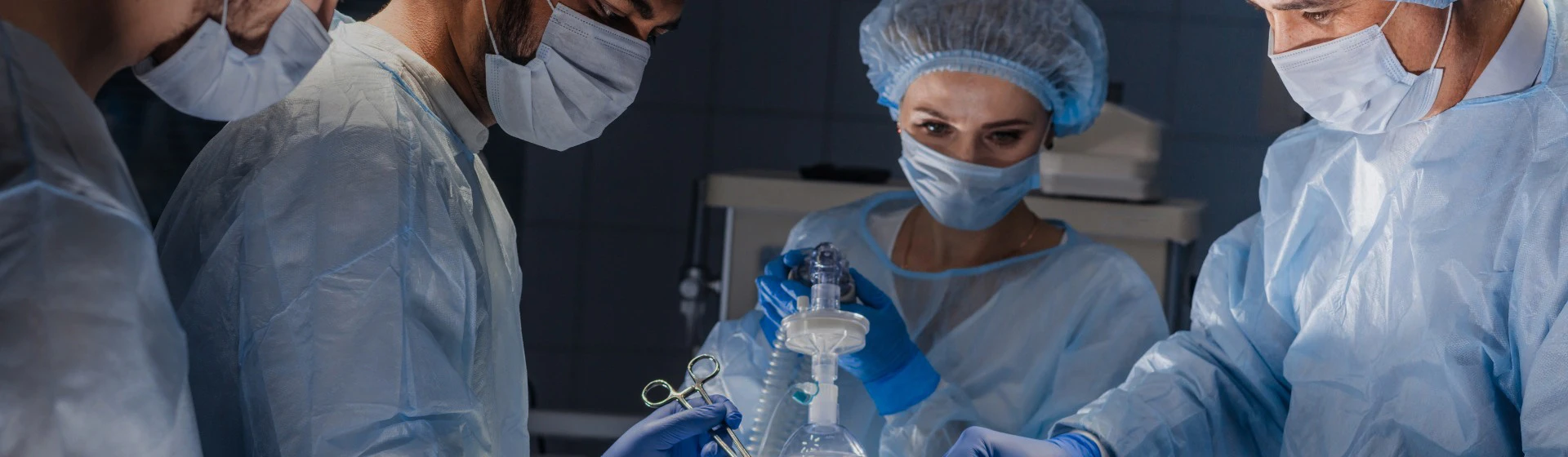
After the operation, the patient remains in the hospital until the condition stabilizes and the colostomy begins to function normally. During the first days, the medical staff monitors temperature, blood pressure, the postoperative wound, bowel function, and the stoma.
During the recovery period, it is important to:
-
get up and start walking as early as possible, gradually increasing activity (but only after the doctor's permission);
-
move every day, but avoid overexertion;
-
not lift heavy objects or strain the abdominal muscles for approximately 6 weeks;
-
care for the postoperative wound and monitor it for redness, swelling, or discharge;
-
regularly empty the colostomy bag and care for the skin around the colostomy;
-
take the prescribed medications and attend follow-up examinations.
Nutrition is restored gradually. At first, drinking is allowed, then the patient transitions to light food in small portions 5–6 times a day. During the first weeks, it is better to avoid very fatty and spicy foods, large amounts of raw vegetables, legumes, carbonated drinks, and other products that may cause bloating. The diet is expanded gradually depending on bowel function and food tolerance.
Special attention is paid to colostomy care. Before discharge, the patient is shown how to properly change the colostomy bag, clean the skin around the stoma, and monitor its condition. As recovery progresses, most patients gradually return to their usual daily life.
Overall recovery after the operation often takes about 6–8 weeks, but after a complex or emergency intervention, it may last longer.
Doctors at «Oxford Medical» recommend seeking urgent medical attention if the temperature rises, abdominal pain intensifies, repeated vomiting, redness, or discharge from the postoperative wound appears, or the colostomy suddenly stops functioning. Such symptoms may indicate the development of complications.