


nodular thyroid neoplasms with suspicion of a malignant process;
The operation is performed under general anesthesia. Throughout the entire intervention, continuous monitoring of the patient’s vital signs is carried out.

 Adults Adults Adults Adults Adults Adults Adults Adults Adults
  Children Children Children Children


 Hotline:
 Adults Adults Adults Adults Adults Adults Adults Adults Adults Children Children Children Children
Hemithyroidectomy is an organ-preserving surgical procedure that involves removal of the affected lobe of the thyroid gland in order to eliminate the pathological process while preserving healthy tissues.
At the medical center «Oxford Medical» in Kyiv, hemithyroidectomy is performed in a high-technology surgical inpatient facility. The operations are carried out by surgeons with many years of practical experience in endocrine surgery. Expert-class equipment makes it possible to accurately determine the extent of surgical intervention and perform the operation with maximum precision.
Make an appointment for a doctor’s consultation to receive individual recommendations regarding surgical treatment.
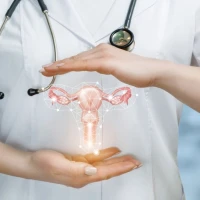
The thyroid gland consists of two lobes — the right and the left — which are connected by the isthmus. Such an anatomical structure allows, in certain clinical situations, partial removal of the thyroid gland.
During the operation, the lobe in which the pathological process is localized is removed, while the other lobe is preserved and continues to perform its function. This makes hemithyroidectomy a possible treatment option for thyroid diseases that do not involve the entire gland. If pathological changes also affect the isthmus, the surgical intervention is expanded and hemistrumectomy is performed — removal of the lobe together with the isthmus.
Preservation of the unaffected part of the thyroid gland allows, in many cases, maintenance of hormonal activity without full replacement therapy. At the same time, the decision regarding the appropriateness of such a surgical volume is made individually after a comprehensive examination, taking into account the extent of the process, the functional state of the gland, and the patient’s general condition.
Hemithyroidectomy is used in cases where the pathological process is limited to
one lobe of the thyroid gland. If the lesion is more extensive, subtotal thyroid resection or total thyroidectomy may be required.
Main indications for hemithyroidectomy:


nodular thyroid neoplasms with suspicion of a malignant process;
follicular neoplasms for which it is impossible to reliably exclude malignancy without surgical intervention;
benign nodules of one lobe that tend to progressive enlargement;
large formations of one lobe that cause compression of surrounding anatomical structures;
hormonally active nodules of one lobe accompanied by clinically significant disorders of thyroid function;
nodular formations with calcifications in the presence of additional oncological risk factors;
recurrence of a nodular formation after previous conservative treatment;
early forms of differentiated thyroid cancer with localization of the process within one lobe.

Preparation for hemithyroidectomy is an important stage of surgical treatment and is aimed at clarifying the diagnosis, assessing the functional state of the body, and reducing the risk of postoperative complications. The scope of examinations is determined individually, taking into account the clinical situation and concomitant diseases.
The standard preoperative preparation includes:
If necessary, the doctor may recommend additional examination methods or consultations with related specialists. Before surgery, correction of concomitant conditions is also performed, and, on the doctor’s recommendation, the intake of certain medications may be temporarily adjusted.
On the day before the surgical intervention, the patient is advised to refrain from heavy meals, and on the day of surgery to remain fasting. Compliance with all recommendations at the preparation stage ensures safe performance of the operation and a predictable postoperative course.
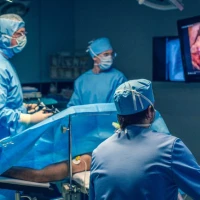
Hemithyroidectomy is performed in a surgical inpatient setting after planned hospitalization of the patient. The operation is carried out step by step in accordance with the safety standards of modern endocrine surgery.
The operation is performed under general anesthesia. Throughout the entire intervention, continuous monitoring of the patient’s vital signs is carried out.
Hemithyroidectomy is performed using an open approach in the neck area, which is the standard method and provides full visualization of anatomical structures.
The surgeon step by step isolates the affected lobe of the thyroid gland. Removal is performed together with the isthmus.
After completion of the main stage of the intervention, the surgical area is inspected. If necessary, a drain may be placed.
After suturing, the patient is transferred to the postoperative ward, where monitoring is carried out in the early postoperative period.
After hemithyroidectomy, the patient usually stays in the surgical inpatient facility for one to several days. The length of hospitalization depends on the complexity of the operation, the general condition, and the course of the postoperative period.
On the first day after surgery, in the absence of complications, the patient may get out of bed, move independently, and consume light meals. Medical staff monitor the condition of the postoperative wound, pain level, and general well-being.
During the following days after surgery, pain gradually decreases, and physical activity and nutrition are almost unrestricted.
After discharge, the main focus is on monitoring the function of the preserved thyroid lobe. For this purpose, laboratory tests of the thyroid profile are performed within the timeframes specified by the doctor. Based on the results, the hormonal activity of the gland is assessed and, if necessary, further treatment tactics are adjusted.
After hemithyroidectomy, it is recommended to:
Such an approach ensures a stable postoperative course and gradual return to the usual lifestyle.
Hemithyroidectomy is considered a relatively safe planned intervention; however, like any surgical operation, it may be accompanied by certain complications.
In the early postoperative period, bleeding or formation of a hematoma in the area of surgical intervention is possible. Such conditions require medical supervision and, if necessary, additional therapeutic measures.
In some patients, temporary voice changes or a feeling of hoarseness may occur, which is associated with irritation of the recurrent laryngeal nerve. In most cases, these changes are reversible and gradually disappear during recovery.
After hemithyroidectomy, changes in hormonal balance are also possible, since thyroid function depends on the activity of the preserved lobe. Therefore, laboratory monitoring is carried out in the postoperative period and, if necessary, further treatment tactics are adjusted.
More rarely, infectious complications of the postoperative wound or swelling of soft tissues in the neck area may occur. Compliance with the doctor’s recommendations, proper wound care, and timely follow-up examinations help minimize these risks.
The cost of surgical intervention for removal of one half of the thyroid gland depends on:
You can ознакомиться with current prices in advance here. More detailed information about the treatment program and the cost of surgical intervention will be provided by the doctor during the initial consultation at the «Oxford Medical» clinic in Kyiv. Make an appointment at a convenient time by phone or via the online appointment form on the website.
After removal of one lobe of the thyroid gland, temporary changes in hormonal balance are possible. In many patients, the preserved lobe gradually takes over the function of hormone synthesis. To monitor the condition, laboratory tests are performed, based on the results of which the doctor determines the need for further observation or medication adjustment.
Yes, in most cases after hemithyroidectomy, patients lead a full and active life. Provided that the preserved thyroid lobe functions normally, the body receives a sufficient amount of hormones. Regular follow-up examinations allow timely assessment of the condition and maintenance of stable well-being.


Qualified surgeons. Operations are performed by doctors with many years of experience in endocrine surgery.
Expert-class equipment. Operating rooms are equipped with modern surgical and anesthesiology equipment, ensuring control of the surgical process and safe performance of the intervention.
Availability of intensive care units. If necessary, patients receive postoperative monitoring in the intensive care unit with round-the-clock monitoring of vital signs.
Comfort during inpatient treatment. Single and double rooms are available, providing comfortable conditions for rest and recovery after surgery.


 4.94
4.94  22+
22+ 



 in the clinic
  online
  Hello!


