


An endoscopic method that allows you to examine the uterine cavity and perform manipulations without external incisions.
Sign up via call center 
 Adults Adults Adults Adults Adults Adults Adults Adults Adults
  Children Children Children Children
Department
Adults Outpatient department
Adults Outpatient department
Inpatient department
Adults Inpatient department
Aesthetic medicine
Adults Aesthetic medicine
Dentistry
Adults Dentistry
Plastic surgery
Adults Plastic surgery
Diagnostics
Adults Diagnostics
Analyzes
Adults Analyzes
Outbound services
Adults Outbound services
Children Outpatient department
Children Outpatient department
Dentistry
Children Dentistry
Diagnostics
Children Diagnostics

Kyiv


 Hotline:
 Request a call:


Department
Adults Outpatient department
Adults Outpatient department
Inpatient department
Adults Inpatient department
Aesthetic medicine
Adults Aesthetic medicine
Dentistry
Adults Dentistry
Plastic surgery
Adults Plastic surgery
Diagnostics
Adults Diagnostics
Analyzes
Adults Analyzes
Outbound services
Adults Outbound services
Children Outpatient department
Children Outpatient department
Dentistry
Children Dentistry
Diagnostics
Children Diagnostics
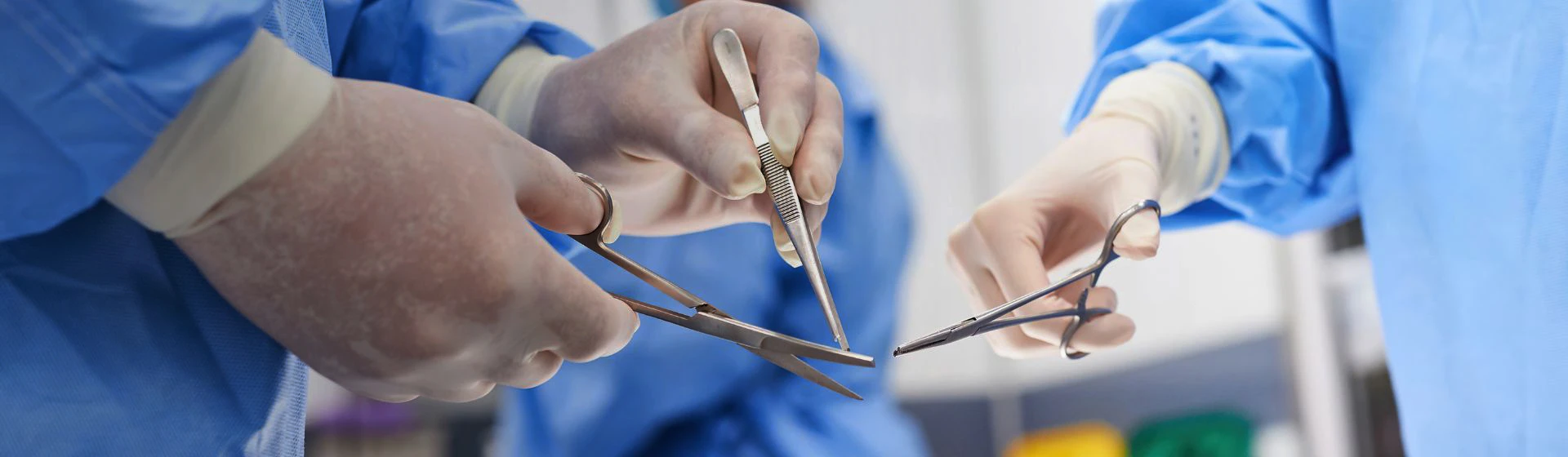
Gynaecological operations
Gynecological surgeries in Kyiv
A loyalty program is available for surgical interventions in the hospital, which makes treatment even more affordable.
The surgical hospital of the Oxford Medical clinic performs a wide range of operations aimed at preserving women's health. For their safe conduct and comfortable stay of patients, the clinic is equipped with everything necessary:
- two modern operating rooms with new equipment from the best world manufacturers;
- an intensive care unit that allows you to continuously monitor the main vital signs of patients and support their vital functions;
- comfortable wards for one or two patients for postoperative recovery.
Surgical treatment of patients and their recovery is carried out under the supervision of qualified gynecologists, including candidates of medical sciences.
Gynecological surgery
The doctors of the Gynecological Surgery Department successfully carry out the following manipulations and interventions:
-
hysteroscopy (diagnostic and surgical);
-
cystoscopy;
-
removal of myomas and fibromyomas;
-
removal of endometrial polyps;
-
vaginoplasty (colporrhaphy);
-
removal of ovarian cyst;
-
cystectomy;
-
adnexectomy;
-
intimate plastic;
-
surgical stimulation of the ovaries.
During hysteroscopy the doctor through the vagina gains access to the cervix and intrauterine space with a hysteroscope, conducting examinations and manipulations (from biopsy to removal).
Cystoscopy is a similar method used to diagnose diseases of the bladder and urethra, using a cystoscope (a thin flexible tube with a camera at the end, which is inserted through the urethra).
Indications for gynecological surgeries
Indications for gynecological operations arise in the case of serious disorders that are not amenable to medical treatment or require immediate intervention.
The main indications for operations in gynecology are:
- Gynecological diseases: endometriosis, cysts, fibroids, endometrial polyps.
- Reproductive disorders: obstruction of the fallopian tubes, complex forms of infertility.
- Oncological diseases: malignant tumors in the pelvis, which may require resection or removal of female organs.
- Postpartum and age-related changes: the need for aesthetic correction of female genital organs.
Surgical treatment methods in gynecology
Surgical interventions in gynecology are performed using various methods depending on the complexity and nature of the disease.
Hysteroscopy
Laparoscopy
A method that involves inserting instruments through small punctures in the abdominal wall, which significantly shortens the recovery period.
Laparotomy
The traditional method, through an incision in the abdominal wall, is used in complex cases when full access to the organs is required.
Laparoscopic gynecology
In the surgical hospital of the Oxford Medical Clinic during gynecological interventions laparoscopic method is actively used. It makes possible to insert ports and instruments not through an incision but through several small punctures.
This type of access has a number of advantages:
-
the surgeon gets a better view of the operating field;
-
the patient recovers faster after laparoscopy than after traditional surgery;
-
the risk that postoperative hernias can appear is minimized;
-
surgery does not leave a large scar.
The type of access that will be used during the operation is determined by the attending doctor, who takes into account the nature of the disease, contraindications and the patient's wishes.

Laser gynecology
In some cases, if there are indications, laser equipment is used during gynecological surgery for removal. The method is called laser coagulation and its application allows to minimize the period of patient’s postoperative rehabilitation. The procedure doesn’t leave scars or adhesions, that’s why laser gynecology is indicated to all women who need treatment.
In Oxford Medical Clinic laser technology is used to treat:
-
erosions;
-
ectopias;
-
cervical ectropion;
-
cervical papillomatosis;
-
leukoplakia;
-
polyps;
-
dysplasias;
-
warts and papillomas of the urinogenital zone;
-
benign tumors of the vulva and vagina.
Minor and major gynecological surgeries
Gynecological surgeries are classified into minor and major depending on the scope of the intervention, the risk of complications and the duration of the postoperative period.

Minor gynecological surgeries
Minor surgeries – are minimally invasive procedures that are usually performed on an outpatient basis and do not require a long recovery. These surgeries allow for quick diagnosis or elimination of minor pathologies.
Minor gynecological surgeries include:
- Hysteroscopy – examination of the uterine cavity to detect uterine polyps, fibroids and other neoplasms, which may be accompanied by their removal.
- Polypectomy – removal of uterine polyps, which may cause bleeding or discomfort.
- Cervical biopsy – taking a sample of cervical tissue to detect oncological changes.
Major gynecological surgeries
Major surgeries – are more complex interventions that involve surgical access to internal organs through laparoscopic punctures or a traditional incision. They require careful preparation, long recovery and, as a rule, inpatient care in the surgical department. Gynecology in our clinic has a hospital with single and double hotel-type wards, thanks to which each patient has the opportunity to undergo treatment in comfortable conditions.
Major gynecological surgeries include:
- Removal of the uterus (hysterectomy) – a surgical intervention used for serious diseases, such as large fibroids or uterine cancer.
- Laparoscopic myomectomy – is an organ-preserving operation that involves the removal of uterine fibroids using laparoscopic methods.
- Removal of ovarian cysts – is performed in the case of large or complicated cysts that cause pain or threaten health and cannot be removed hysteroscopically.
- Operations to restore tubal patency – are used to treat some forms of infertility when reconstruction or restoration of tubal function is required.
The difference between minor and major gynecological surgeries
- Invasiveness: minor surgeries – minimally invasive, major surgeries – with deep tissue intervention.
- Recovery: after minor surgeries, the patient quickly returns to normal life; after major surgeries, rehabilitation time is required.
- Indications: minor surgeries are often prescribed for the diagnosis and treatment of mild pathologies, major surgeries – for complex diseases that threaten health or life.
Both surgical methods of treatment in gynecology help to preserve or restore the health of patients. They are performed by highly qualified specialists of the surgical gynecology department of "Oxford Medical" using modern methods and expert-class equipment.
Prices for gynecological surgeries at the Oxford Medical clinic
The Oxford Medical Clinic provides quality support at all stages of the operation. Our gynecological clinic in Kyiv also offers post-operative support and consultations to ensure a comfortable and safe recovery.
The cost of a gynecological operation depends on the type of intervention, the scope of the procedure and the necessary additional services. Our clinic offers a wide range of operations from minimally invasive procedures to complex surgical interventions. Detailed information about the cost of a specific procedure can be obtained during a consultation, where the doctor will take into account all the features of your condition and select the optimal treatment option. You can familiarize yourself with the prices in advance here.
Surgical ward
Gynecological surgeries
Show more 
Our services
Consultations

Consultation with an obstetrician-gynecologist
1100.00 ₴
Add Added 
Consultation with a leading obstetrician-gynecologist
1989.00 ₴
Add Added
Online consultation with an obstetrician-gynecologist
1100.00 ₴
Add Added
Surgical gynecology services
Plastic surgery of the posterior vaginal wall (colporrhaphy)
13889.00 ₴
Sign up by the call center
Laparoscopic removal of ovarian cyst/tumor
19989.00 ₴
Sign up by the call center
Laparotomic removal of the uterus without appendages
42989.00 ₴
Sign up by the call center
Laparotomic removal of the uterus with appendages (panhysterectomy)
47989.00 ₴
Sign up by the call center
Laparotomic removal of the fallopian tube (tubectomy)
17989.00 ₴
Sign up by the call center

Advantages of performing gynecological surgeries at the Oxford Medical clinic

Modern equipment: operating rooms are equipped with innovative equipment from world brands
Professional medical staff: qualified gynecologists, anesthesiologists, nurses
Individual approach: selection of treatment methods, taking into account the needs of each patient
Comfortable conditions for postoperative stay: single and double wards with all the necessary conditions for comfort
Show more 
Our doctors

 4.82
4.82  29+
29+ Leading specialist of the gynecological hospital, obstetrician-gynecologist, oncogynecologist, surgeon, Candidate of Medical Sciences
 29+ Years of experience
 Consultation 1100
 Kyiv, st. Bereznyakivska, 30b
 4.9 6+
Obstetrician-gynecologist, ultrasound doctor
Specialist in aesthetic gynecology.
Specialist in aesthetic gynecology.
6+ Years of experience Consultation 1100
Kyiv, Hlybochytska St., 40x Kyiv, Vasyl Lypkivskoho St., 38  4.71 23+
 Anesthesiologist of the highest category
23+ Years of experience Consultation 1100
Make an appointment 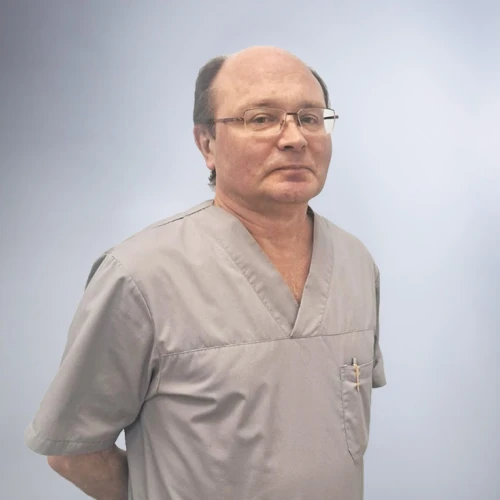 4.67 33+
 Anesthesiologist of the Highest Category
33+ Years of experience Consultation 1100
Kyiv, st. Bereznyakivska, 30b 
Reviews
Альона 29.01.2026
Щиро дякую хірургу Фроловій Єлені Юріївні за суперово виконану операцію. Втручання було невелике, але для мене дуже важливе — і все пройшло швидко, акуратно та без ускладнень. Лікар уважна, спокіна, усе пояснив перед процедурою, так як я боялась- вона мене підтримувала та відволікала)) Загоєння проходило добре, шви зняла безболісно, результатом повністю задоволена. Дуже приємно мати справу з таким відповідальним і людяним спеціалістом. Рекомендую від щирого серця.

Яніна 18.01.2026
Хочу висловити подяку Мудрієвському Богдану Любомировичу. Моєму батьку було зроблено ургентно (15.12.2025) операцію по видаленню жовчного міхура. Поки я їхала в лікарню лікар і медперсонал підготували тата до операції. Велика подяка Богдану Любомировичу за Професіоналізм, за чітке пояснення і відповіді на всі питання. Цей лікар не тільки Професіонал своєї справи з великої літери, це ще і чудова людина!!! Бажаємо Богдану Любомировичу міцного здоров'я і завжди залишатися такою ж чудовою та розуміючою людиною
Current information

23 December 2025
Laparoscopy in gynecology: how modern methods are changing approaches to operations
27 July 2025
Removal of the Thyroid Gland: Consequences, Rehabilitation, and Life After Surgery
23 July 2025
Everything About Joint Replacement: Price, When, For Whom, and How Arthroplasty Can Be Performed
18 March 2025
What is uterine suturing and when is it performed?
Sign up
 in the clinic
  online

 Hello!
Let's take care
about your health:
Sign up via call center 
