


atheroma enlargement over 10 mm
Sign up via call center 
 Adults Adults Adults Adults Adults Adults Adults Adults Adults
  Children Children Children Children
Department
Adults Outpatient department
Adults Outpatient department
Inpatient department
Adults Inpatient department
Aesthetic medicine
Adults Aesthetic medicine
Dentistry
Adults Dentistry
Plastic surgery
Adults Plastic surgery
Diagnostics
Adults Diagnostics
Analyzes
Adults Analyzes
Outbound services
Adults Outbound services
Children Outpatient department
Children Outpatient department
Dentistry
Children Dentistry
Diagnostics
Children Diagnostics

Kyiv


 Hotline:
 Request a call:


Department
Adults Outpatient department
Adults Outpatient department
Inpatient department
Adults Inpatient department
Aesthetic medicine
Adults Aesthetic medicine
Dentistry
Adults Dentistry
Plastic surgery
Adults Plastic surgery
Diagnostics
Adults Diagnostics
Analyzes
Adults Analyzes
Outbound services
Adults Outbound services
Children Outpatient department
Children Outpatient department
Dentistry
Children Dentistry
Diagnostics
Children Diagnostics
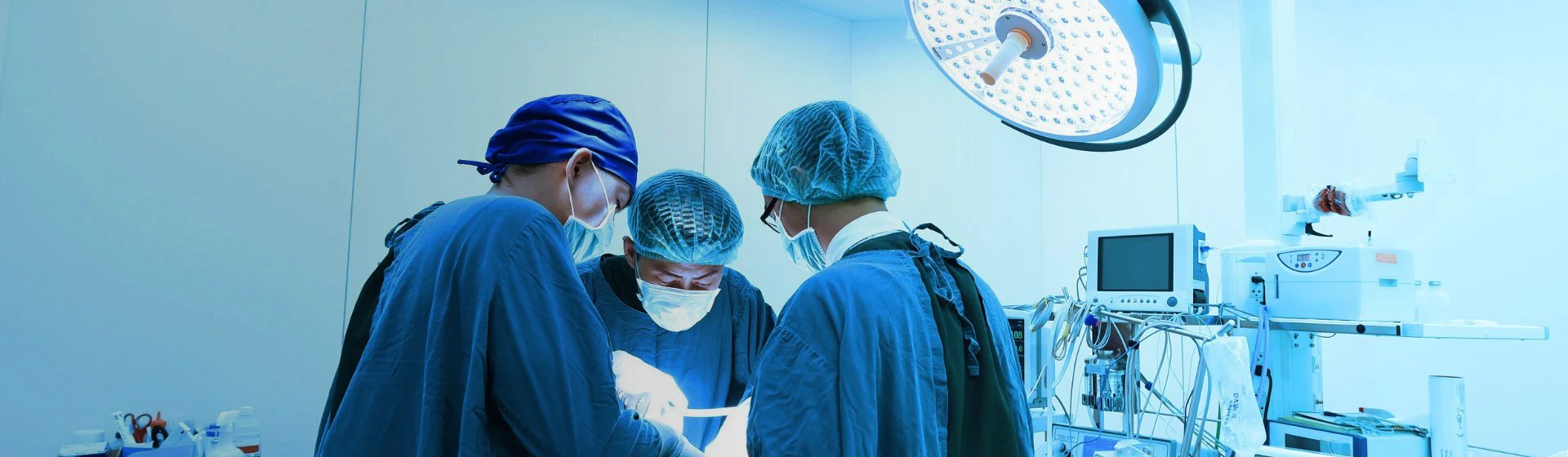
Atheroma of the penis
Treatment of penile atheroma in Kiev
A loyalty program is available for surgical interventions in the hospital, which makes treatment even more affordable.
Atheroma of the penis - this is a benign neoplasm that develops as a result of blockage of the excretory duct of the sebaceous gland. It has a capsule structure, filled with lipid and epithelial cells inside. Outwardly, it resembles small purulent rashes of white or yellowish color.
If not one atheroma appears on the skin, but several at once, this condition is called atheromatosis.
Initially, the rash causes only aesthetic discomfort. Over time, atheromas can increase to 10 mm or more, which is accompanied by the appearance of pain and the risk of infection, inflammation and purulent complications.
In «Oxford Medical» Removal of atheroma of the penis is performed by a urologist, a top-class andrologist, and a genital surgeon with over 20 years of experience. Thanks to the clinic's state-of-the-art equipment, the surgeon uses modern high-tech surgical techniques, including a laser, which allows for careful removal of the neoplasm and avoidance of scar formation.
Removal of atheroma is performed without hospitalization and takes from 20 to 60 minutes, depending on the number of neoplasms. To make the procedure painless, local or intravenous anesthesia is used.
Surgical treatment of a penis wart: price at the Oxford Medical clinic
«Oxford Medical» employs a team of experienced, highly qualified doctors and surgeons, and new high-tech equipment has been installed. Thanks to this, each patient can undergo thorough diagnostics and receive high-quality medical care for diseases of any complexity.
The cost of surgical treatment may vary depending on:
-
the number and size of atheroma;
-
the method of removal;
-
the type of anesthesia.
You can find out the prices here. A urologist will provide you with more detailed information about the cost and other issues during a preliminary consultation. Make an appointment at a time convenient for you.
When should you consult a specialist?
Small atheromas develop asymptomatically.
When the neoplasm reaches 10 mm or more, the patient may experience the following complaints:
-
pain when touching the atheroma;
-
itching sensation;
-
in case of inflammation - redness of the skin, swelling, acute pain, fever.
Despite the fact that atheromatosis is a non-infectious disease, is not sexually transmitted and does not pose a direct threat to life, a doctor's consultation is mandatory. A specialist will conduct an examination and diagnostics to determine the exact diagnosis. Visually similar rashes can also appear in other diseases.
It is most important to seek medical attention if symptoms of inflammation appear, as well as if the atheroma rapidly increases in size or new lesions appear.
What are the dangers of atheromas?
The formation of a fat pad on the penis is accompanied by the risk of infection, inflammation of the sebaceous glands and the development of other complications, including:
-
spread of infection to adjacent tissues and organs;
-
formation of an abscess or phlegmon;
-
release of purulent contents into the subcutaneous tissue.
In these cases, more complex treatment is required. To prevent the development of complications, you should consult a doctor at the first signs of atheromatosis.
When is removal of
penile fat cells prescribed?
The need for removal of an atheroma depends on several factors. If it is small, there are no signs
of inflammation and the patient does not experience aesthetic discomfort, removal is not mandatory.
Surgery is necessary in the following cases:


inflammation of atheroma
development of purulent process
aesthetic discomfort in the patient

How are penile atheromas removed?
3 days before the removal of atheroma on the genital organ, the patient is recommended to give up alcohol, as well as to stop taking medications that affect blood clotting. The patient may also be prescribed tests, ultrasound and other examinations according to indications.
The method of removing atheroma also depends on its size and the presence of inflammation.
Removal of a small atheroma is carried out using a laser. The surgeon uses a laser beam instead of a scalpel. With its help, the skin above the atheroma is cut, after which the contents of the capsule evaporate under the influence of high temperature. At the same time, the vessels are cauterized, which prevents bleeding and also reduces the risk of wound infection.
After laser removal of atheroma, there is no need for stitches. A small depression remains on the skin, where a scab forms. After a few weeks, the skin heals, and the trace of the removed atheroma becomes almost invisible.
In case of large atheromas and in the presence of an inflammatory process, the surgeon can combine laser surgery with classical surgery. In particular, the skin is opened using a laser, after which the contents of the atheroma are removed mechanically (using a scalpel), and the resulting cavity is re-treated with a laser. In this case, the operation ends with the application of sutures.
In some cases, the removal of atheroma is performed using a classical surgical method. The skin is dissected and the neoplasm is excised using a scalpel. The surgeon makes a small incision, opens the atheroma capsule, cleans it and washes it with antiseptic solutions, then removes the capsule and closes the wound.
Which technique will be the most effective and will allow you to get the best aesthetic result, the surgeon determines individually after the examination.
Surgical ward
Genital surgery
Treatment of penile atheroma
Show more 
Our services
Consultations

Consultation with a surgeon
1100.00 ₴
Add Added 

Advantages of penile atheroma removal at the Oxford Medical clinic

The operation is performed by a top-class andrologist, a genital surgeon with over 20 years of experience
Using modern high-tech surgical techniques
No need for hospitalization and the ability to leave the clinic soon after the procedure
Use of local anesthesia or medical sleep
Show more 
Our doctors

 4.85
4.85  23+
23+ Urologist-andrologist, sexologist, genital surgeon, candidate of medical sciences, leading specialist of the Oxford Medical clinic
 23+ Years of experience
 Consultation 1100
 Kyiv, st. Bereznyakivska, 30b
Reviews
Альона 29.01.2026
Щиро дякую хірургу Фроловій Єлені Юріївні за суперово виконану операцію. Втручання було невелике, але для мене дуже важливе — і все пройшло швидко, акуратно та без ускладнень. Лікар уважна, спокіна, усе пояснив перед процедурою, так як я боялась- вона мене підтримувала та відволікала)) Загоєння проходило добре, шви зняла безболісно, результатом повністю задоволена. Дуже приємно мати справу з таким відповідальним і людяним спеціалістом. Рекомендую від щирого серця.

Яніна 18.01.2026
Хочу висловити подяку Мудрієвському Богдану Любомировичу. Моєму батьку було зроблено ургентно (15.12.2025) операцію по видаленню жовчного міхура. Поки я їхала в лікарню лікар і медперсонал підготували тата до операції. Велика подяка Богдану Любомировичу за Професіоналізм, за чітке пояснення і відповіді на всі питання. Цей лікар не тільки Професіонал своєї справи з великої літери, це ще і чудова людина!!! Бажаємо Богдану Любомировичу міцного здоров'я і завжди залишатися такою ж чудовою та розуміючою людиною
Current information

23 December 2025
Laparoscopy in gynecology: how modern methods are changing approaches to operations
27 July 2025
Removal of the Thyroid Gland: Consequences, Rehabilitation, and Life After Surgery
23 July 2025
Everything About Joint Replacement: Price, When, For Whom, and How Arthroplasty Can Be Performed
18 March 2025
What is uterine suturing and when is it performed?
Sign up
 in the clinic
  online

 Hello!
Let's take care
about your health:
Sign up via call center 
