


Hormonal changes – decreased estrogen levels in women and testosterone in men accelerate bone loss
X-ray examination, which allows you to determine bone mineral density and assess the risk of fractures.

 Adults Adults Adults Adults Adults Adults Adults Adults Adults
  Children Children Children Children


 Hotline:
 Adults Adults Adults Adults Adults Adults Adults Adults Adults Children Children Children Children
Osteoporosis – is a disease that leads to a gradual loss of bone density and increases the risk of fractures. In the early stages, it develops asymptomatically. However, the earlier the disease is detected, the more effective medical care can be. At the «Oxford Medical» clinic, you can undergo diagnostics using modern equipment and comprehensive osteoporosis treatment aimed at strengthening bone tissue and preventing fractures.
Our doctors will draw up an individual therapeutic program, which may include medication, physiotherapy, lifestyle and nutrition correction. In case of complications such as fractures of the vertebrae or large joints, patients are offered surgical treatment, including joint replacement.
Make an appointment with «Oxford Medical» to undergo diagnostics and receive effective treatment that will help preserve the health of your bones and quality of life!
Osteoporosis – is a chronic progressive bone disease in which bone density and strength decrease. As a result, bone tissue becomes more fragile, and the risk of fractures increases significantly.
In a healthy person, the processes of destruction of old and formation of new bone cells are in balance. But with osteoporosis, this balance is disrupted – bone mass is lost faster than new is formed, which leads to weakening of the bones. As a result, even minor injuries or loads can cause fractures. The vertebrae, femoral neck, and radius are most susceptible to damage.
This disease is often called the «silent enemy», because osteoporosis symptoms are not noticeable in the early stages. Many patients learn about it only after the first fracture.
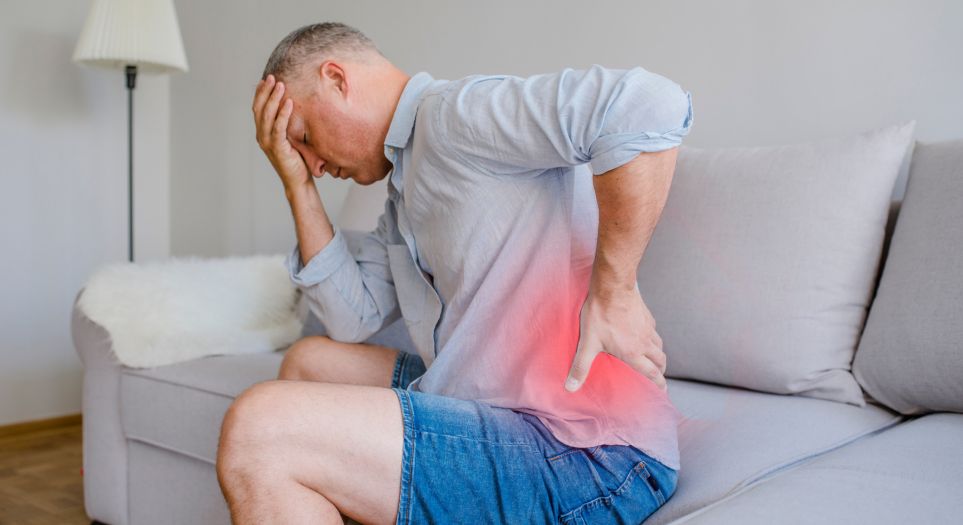
The first symptoms of osteoporosis may be non-specific, but if you observe several of them, you should consult a doctor:
Reduced height. As a result of osteoporotic changes, the vertebrae gradually flatten, which can lead to a decrease in height by several centimeters.
Persistent or periodic pain in the back, lower back or neck. This may be a consequence of microfractures of the vertebrae or their deformation.
Posture disorders, stooping. Formation of a "widow's hump" or other changes in posture may indicate osteoporosis of the spine.
Rapid fatigue and muscle weakness. Bones and muscles become less resistant to stress.
Fragility of nails and hair loss. Calcium deficiency in the body can be reflected not only in the bones, but also in the condition of hair, nails and teeth.
If the disease is not diagnosed in the initial stages, it continues to develop, and more serious symptoms appear:
Fractures with minimal loads. The most characteristic are fractures of the radius when falling on the hand, femoral neck, as well as compression fractures of the vertebrae. They can occur even with a minor impact or awkward movement.
Severe pain in osteoporosis, which increases during physical activity or prolonged stay in one position.
Osteoporosis of the knee joint and other large joints can cause discomfort and limitation of movement.
The main cause of osteoporosis is an imbalance between the destruction and restoration
of bone tissue. This may be a result of natural aging or the influence of external factors.
Controlling these factors and timely laboratory diagnosis of osteoporosis will help
reduce the risk of developing bone disease and avoid its complications.
Main risk factors:


Hormonal changes – decreased estrogen levels in women and testosterone in men accelerate bone loss
Calcium and vitamin D deficiency – poor absorption of these substances weakens bones
A sedentary lifestyle – physical activity helps strengthen bone tissue, while its lack contributes to its destruction.
Genetic predisposition – if relatives have had osteoporosis of the spine or other bones, the risk increases
Chronic diseases – disorders in the endocrine system, gastrointestinal tract, chronic inflammatory processes
Some medications – glucocorticosteroids, anticonvulsants can affect bone metabolism.
Bad habits – excessive alcohol consumption, smoking, and high levels of caffeine contribute to calcium loss

Treatment of osteoporosis should begin as early as possible after diagnosis. Since this disease progresses gradually and does not cause obvious symptoms for a long time, it is important not to wait for fractures or severe pain to appear.
The main indications for osteoporosis treatment:
Decreased bone density according to the results of the diagnosis.
Frequent fractures or an increased risk of their occurrence.
Pain in osteoporosis and impaired joint mobility.
The presence of risk factors that increase the likelihood of disease progression.
To detect osteoporosis, a comprehensive examination is used, which helps to assess the condition of bone tissue and the risk of developing the disease.
Main diagnostic methods:
X-ray examination, which allows you to determine bone mineral density and assess the risk of fractures.
Blood test for calcium, phosphorus, vitamin D, parathyroid hormone, and bone metabolism markers.
X-rays of the ribs and other bones help detect compression fractures and changes in bone structure.
Analysis of lifestyle, comorbidities, and hereditary predisposition.
Treatment of osteoporosis is aimed at slowing bone loss, strengthening bones, and reducing the risk of fractures. Since it is a chronic disease, therapy must be comprehensive and long-term, with regular monitoring of results.
Drugs for the treatment of osteoporosis are selected individually depending on the patient's condition and the degree of bone damage. The main groups of drugs:
Bisphosphonates - inhibit bone destruction and reduce the risk of fractures.
Calcium and vitamin D preparations - are necessary to maintain mineral balance and strengthen bones.
Hormone therapy - is used in women after menopause to reduce bone loss.
Antiresorptive drugs - reduce the activity of cells that destroy bone tissue.
Bone growth stimulants - are prescribed in difficult cases of osteoporosis.
Proper nutrition plays a key role in preventing osteoporosis and maintaining the effectiveness of treatment.
The diet should contain:
Foods rich in calcium (dairy products, fish, nuts, greens).
Sources of vitamin D (eggs, fatty fish, mushrooms, foods fortified with vitamin D).
Foods with magnesium, phosphorus and zinc, which are important for bone formation.
Moderate physical activity helps reduce bone loss and improve overall health.
Recommended:
Walking, swimming, yoga.
Exercises with light weights or elastic bands to maintain muscle tone.
Special physical therapy under the supervision of specialists.
Surgical treatment of osteoporosis is used in cases where the disease has led to significant complications, such as fractures, severe bone deformities, or persistent pain.
Indications for surgery may include:
Compression fractures of the vertebrae;
Fracture of the femoral neck
Osteoporosis of the spine with progressive deformity;
Osteoporosis of the knee joint and other large joints, if it is accompanied by persistent pain and significant limitation of mobility.

Vertebroplasty – injection of special bone cement into a damaged vertebra to strengthen it and reduce pain.
Kyphoplasty – restoration of the shape of the vertebra by means of the injection of cement, which helps maintain posture.
Joint replacement – replacement of a damaged joint (for example, in the case of osteoporosis of the knees or hip joint) with an artificial implant to restore mobility.
Osteosynthesis – fixation of bone fragments with metal plates, screws or rods in case of complex fractures that cannot heal on their own.
At the medical center «Oxford Medical», operations are performed in a modern high-tech surgical hospital. The department is equipped with the latest equipment that allows for minimally invasive and open surgical interventions with maximum safety for the patient. The operations are performed by experienced surgeons who use advanced techniques to restore bone tissue and improve the quality of life of patients.
At «Oxford Medical» patients receive modern diagnostics and effective osteoporosis treatment aimed at strengthening bones and preventing fractures.
The cost of osteoporosis treatment depends on the complex of necessary examinations and methods of therapy. The «Oxford Medical» medical center offers modern diagnostic and treatment programs aimed at strengthening bone tissue and preventing complications.
You can preliminarily familiarize yourself with the prices here. The doctor will provide you with more detailed information about the possibilities and cost of osteoporosis treatment during the initial consultation.
Make an appointment at a time convenient for you by phone or via online chat on the website.


Osteoporosis is a chronic disease characterized by a decrease in bone density, making bones fragile and prone to fractures. It most commonly occurs in women after menopause, but can also develop in men. The main risk factors are age-related changes, calcium deficiency, hormonal imbalances, and a sedentary lifestyle.
Diagnosis is made using densitometry, a method of measuring bone mineral density. Blood tests are also performed to determine the level of calcium, vitamin D, and markers of bone metabolism. If necessary, X-rays or additional laboratory tests are prescribed to assess the overall condition of bone tissue.
Osteopenia (the initial stage of bone loss) is treated by endocrinologists, rheumatologists, and orthopedists. Dietitians and physical therapists may also be involved in the treatment process, helping to develop a nutrition and physical activity program to strengthen bone tissue.
Treatment of osteoporosis includes taking medications that slow bone loss, calcium and vitamin D supplements, hormone therapy (as indicated), physical activity, and dietary changes. In each case, the doctor individually decides how to treat osteoporosis in women and men, depending on their age, stage of the disease, and other characteristics.
Treatment for osteoporosis includes medications that strengthen bone tissue and reduce its destruction, medications to maintain calcium and vitamin D levels, and hormone therapy for postmenopausal women. In some cases, medications that stimulate bone growth are used. The specific treatment regimen is selected by the doctor depending on the patient's condition.
Osteoporosis cannot be completely cured, but its progression can be significantly slowed and the risk of fractures reduced. Thanks to modern treatments, proper nutrition, physical activity and drug therapy, it is possible to maintain bones in satisfactory condition and improve the quality of life.


Accurate diagnostics: expert-class equipment and analysis of results by specialists with many years of experience
Modern treatment of osteoporosis: drug therapy, physiotherapy, nutritional correction, surgical treatment of fractures and joint lesions
Experienced doctors: orthopedic traumatologists and surgeons who work according to modern international protocols and apply the latest techniques
A comprehensive approach: the opportunity to undergo a complete diagnosis and receive consultations from doctors of various specialties and receive optimal treatment in one place




 in the clinic
  online
  Hello!


