Sign up via call center
Department
Maxillofacial surgery at the private clinic Oxford Medical Kyiv

Treatment of jaw fracture

Jaw fracture treatment in Kyiv

A jaw fracture is a serious injury that requires immediate intervention by experienced maxillofacial surgeons. A timely diagnosis of a fracture and a correctly selected treatment strategy can help avoid complications, speed up recovery, and fully restore chewing and speech function.

The Oxford Medical clinic in Kyiv provides highly qualified diagnostics and effective treatment of various types of jaw fractures using modern techniques and technologies.

If you suspect a jaw fracture, do not delay contacting the maxillofacial surgery department. Sign up for a consultation at Oxford Medical right now. we will help you quickly and safely return to your usual life.

Treatment of jaw fracture 3

What are jaw fractures?

Jaw fractures are divided into two main types:

  1. Fracture of the lower jaw – occurs most often due to its anatomical features and high mobility. It is characterized by pain, impaired chewing function, and displacement of teeth. With a fracture of the lower jaw, the symptoms are pronounced and easily noticeable.

  2. Fracture of the upper jaw – may be accompanied by fractures of the facial bones. Fractures of the upper jaw are often associated with damage to the sinuses, nasal cavity, and eye sockets, which complicates the clinical picture.

A separate crack in the jaw is distinguished, in which the integrity of the bone is disrupted without displacement of fragments. This condition requires less complex treatment, but also requires supervision by an oral and maxillofacial surgeon.

Jaw fracture: symptoms

A jaw fracture is characterized by a number of signs that are difficult to confuse with other injuries.

The main symptoms include:

severe pain in the jaw area that worsens with movement, chewing, or talking

tissue swelling and the appearance of a hematoma on the face

tissue swelling and the appearance of a hematoma on the face

malocclusion, inability to close teeth

bleeding from the mouth, sometimes with an admixture of blood in the saliva

tooth mobility or loss

numbness or loss of sensation in the chin or lip area

List of diseases

What to do if you suspect a jaw fracture?

If you have signs of a broken jaw, you should seek medical attention from an oral and maxillofacial surgeon as soon as possible.

Before visiting the clinic, it is important to:

  • try not to move your jaw, avoid talking and chewing;

  • if there is bleeding, carefully rinse your mouth with cool water and apply cold to your face to reduce swelling and pain;

  • in case of severe pain, you can take a painkiller;

  • do not try to exercise or move the jaw fragments yourself, so as not to worsen the condition.

Timely medical care helps to avoid complications and significantly speeds up the recovery process.

Diagnosis of a jaw fracture

Diagnosis begins with an examination of the patient by an oral and maxillofacial surgeon, who determines the presence of clinical symptoms.

Additionally, the following are performed:

  • X-ray of the jaw (in several projections);

  • Computed tomography (CT) - to clarify the localization, complexity of the fracture, the condition of adjacent tissues and nerves.

The Oxford Medical clinic in Kyiv uses modern diagnostic equipment that provides the most accurate diagnosis and treatment tactics.

Treatment of jaw fractures

Treatment of jaw fractures depends on the severity of the injury, the presence of displacement of fragments, as well as the general condition of the patient. The Oxford Medical clinic in Kyiv uses both conservative and surgical treatment methods. The choice of the optimal method is determined by the maxillofacial surgeon after a thorough diagnosis.

Conservative treatment of jaw fracture

The conservative method is used in cases where the fracture is not accompanied by significant displacement of fragments or has the form of a crack. The main goal of conservative treatment is to ensure reliable fixation of the jaw until the bone tissues heal completely.

The following methods are used for this:

  • Splintering of the jaw. Special splints attached to the teeth provide stable immobilization of the jaw. This method allows you to maintain the correct position of the jaw throughout the healing period. In case of a fracture of the lower jaw, a bandage is used in addition to splinting to reduce mobility and create maximum comfort. The bandage supports the jaw, reducing the load on the affected area, and helps prevent unnecessary movements that can cause pain or displacement of fragments.

  • Treatment of a jaw fracture without splinting. This option is suitable only for minor injuries - such as small cracks without displacement. In this case, strict restriction of chewing loads, careful monitoring by a doctor and regular examinations to assess the state of bone healing are prescribed.

Conservative treatment usually takes 4-6 weeks, during which the patient undergoes regular examinations to monitor the healing process.

Surgical treatment of jaw fracture

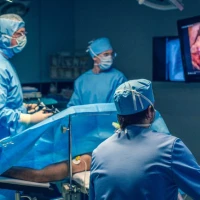
The surgical method is used in complex cases – when there is a significant displacement of fragments, multiple fractures of the jaw, violation of the integrity of the dentition or significant damage to soft tissues.

The main methods of surgical treatment include:

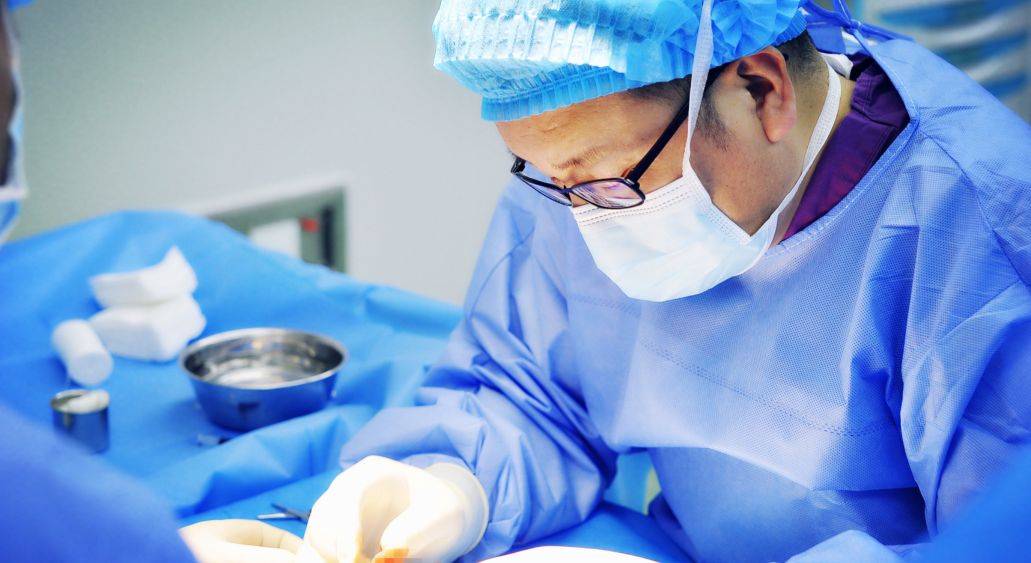
  • Reposition of fragments. This is a surgical procedure during which the maxillofacial surgeon precisely sets the bone fragments in the correct anatomical position. The procedure can be performed both closed (without significant incisions) and open – with access through small incisions in the oral cavity or external, in complex cases.

  • Osteosynthesis with titanium plates or screws. After reduction, the fragments are fixed with special plates and miniature titanium screws, which allow them to be reliably held in a stable position until complete healing. This method is the most effective, especially in the case of complex injuries, allowing for faster restoration of jaw function and shortening the rehabilitation period.

In the case of a jaw fracture, splints are often installed after surgical treatment to achieve maximum stability of the fragments after surgery. This combined approach significantly improves the results of complex fracture treatment.

Surgical intervention is performed under local or general anesthesia, depending on the complexity of the procedure, the patient's condition and individual characteristics.

After the operation, the patient is under constant supervision of an maxillofacial surgeon, undergoes regular dressings and examinations to monitor wound healing and restore jaw function. On average, the healing process after surgical treatment takes from 4 to 8 weeks.

Rehabilitation after a jaw fracture

Rehabilitation is an important stage after treatment of jaw fractures, which allows you to fully restore chewing function and normal bite. At the Oxford Medical clinic, it begins immediately after the removal of splints or the completion of surgical treatment.

In the first days after the removal of splints, the patient is recommended to eat soft or liquid food, gradually switching to regular food. The diet should be balanced and rich in proteins and vitamins for rapid healing.

Special attention is paid to therapeutic exercise. The maxillofacial surgeon selects special exercises that help restore the mobility of the jaw joints, strengthen the muscles and restore the natural chewing function. Physiotherapy procedures contribute to the rapid removal of edema, improve blood circulation and accelerate tissue regeneration.

Following the doctor's recommendations allows you to avoid complications and return to your usual life in the shortest possible time.

Jaw fracture treatment: price at the Oxford Medical clinic

The cost of treating a jaw fracture depends on the complexity of the injury, the presence of displaced fragments, the need for surgical intervention, and the duration of rehabilitation.

You can preliminarily familiarize yourself with the prices here. A maxillofacial surgeon will provide you with more detailed information about the possibilities, program, and cost of treatment during your initial consultation.

Make an appointment at a time convenient for you by phone or via online chat on the website.

Surgical ward
Our services
Consultations
Maxillofacial surgery services
Maxillary sinus junction plastic surgery
4400.00 ₴
Sign up by the call center
Osteosynthesis kit (with installation)
9800.00 ₴
Sign up by the call center
Treatment of bilateral displaced jaw fractures
46200.00 ₴
Sign up by the call center
Treatment of bilateral jaw fractures with displacement within the dentition
31000.00 ₴
Sign up by the call center
Treatment of unilateral jaw fractures with displacement within the dentition
29000.00 ₴
Sign up by the call center

Frequently asked questions

How do you know if your jaw is broken?

Main symptoms: sharp pain, swelling, facial deformity, inability to completely close the mouth, malocclusion, numbness of the lips or chin, bleeding from the mouth, mobility of the teeth.

Jaw fracture: how long does it take to heal?

Many patients are interested in the question of how long it takes for a jaw fracture to heal? Usually, the healing of a jaw fracture lasts from 3 to 8 weeks. Simple fractures without displacement heal faster (in 3-4 weeks), and complex fractures with displacement of fragments require 6-8 weeks of complete immobilization. After that, another month of rehabilitation is recommended for full restoration of functions.

A blow to the jaw: consequences?

The consequences can be serious – from a crack to a fracture of the jaw, with impaired bite, chewing, and speech. Nerve damage is possible, so immediate diagnosis and treatment are required.

What is a jaw splint and when is it used?

Splinting of the jaw is the fixation of fragments using special splints that are fixed on the teeth. The splint allows you to keep the fragments in the correct position until complete healing. Dental splinting is often used for jaw fractures, especially lower ones. If the teeth are intact and stable, splinting effectively ensures proper healing of the fracture. In case of a jaw fracture, splinting is a classic and reliable way to immobilize the jaw bones.

( Rating: 4.75 , Votes: 53 )

Benefits of jaw fracture treatment at Oxford Medical Clinic

Experienced maxillofacial surgeons. High professionalism and successful experience in treating complex fractures

Comprehensive diagnostics. Using modern diagnostic methods

Advanced treatment methods. Modern techniques of osteosynthesis and jaw splinting

Fast recovery. Individually tailored rehabilitation program

Reviews
Альона 29.01.2026
Щиро дякую хірургу Фроловій Єлені Юріївні за суперово виконану операцію. Втручання було невелике, але для мене дуже важливе — і все пройшло швидко, акуратно та без ускладнень. Лікар уважна, спокіна, усе пояснив перед процедурою, так як я боялась- вона мене підтримувала та відволікала)) Загоєння проходило добре, шви зняла безболісно, результатом повністю задоволена. Дуже приємно мати справу з таким відповідальним і людяним спеціалістом. Рекомендую від щирого серця.
Star Star Star Star Star
Яніна 18.01.2026
Хочу висловити подяку Мудрієвському Богдану Любомировичу. Моєму батьку було зроблено ургентно (15.12.2025) операцію по видаленню жовчного міхура. Поки я їхала в лікарню лікар і медперсонал підготували тата до операції. Велика подяка Богдану Любомировичу за Професіоналізм, за чітке пояснення і відповіді на всі питання. Цей лікар не тільки Професіонал своєї справи з великої літери, це ще і чудова людина!!! Бажаємо Богдану Любомировичу міцного здоров'я і завжди залишатися такою ж чудовою та розуміючою людиною
Star Star Star Star Star
Current information
All Articles
Sign up
in the clinic
online
This site is protected by reCAPTCHA technology, and the Google Privacy Policy and Terms of Service apply.
Hello!
Let's take care
about your health:
Sign up via call center

We use cookies and other technologies to remember your preferences and find out exactly how you use and interact with the site.

By using our site, you also agree to the terms of the "User Agreement" and "Regulation on the processing and protection of personal data". By clicking "I AGREE", you consent to the processing of your data.