


swelling and discoloration of the penis are observed
It develops due to impaired blood flow through the veins. It is accompanied by a persistent erection that lasts for more than 4 hours and causes discomfort and pain.

 Adults Adults Adults Adults Adults Adults Adults Adults Adults
  Children Children Children Children


 Hotline:
 Adults Adults Adults Adults Adults Adults Adults Adults Adults Children Children Children Children
A loyalty program is available for surgical interventions in the hospital, which makes treatment even more affordable.
Priapism is a pathological condition that manifests itself as a long-term erection of the penis, not associated with sexual arousal. The main cause is impaired blood flow.
You should consult a urologist if the erection persists for more than 4 hours. Without timely medical care, complications may develop: the formation of scar tissue in the cavernous bodies, tissue death (necrosis), erectile dysfunction, etc.
In «Oxford Medical» Priapism treatment is carried out by a urologist, a top-class andrologist, a genital surgeon with over 20 years of experience. He uses modern high-tech surgical techniques, including laser, which allows him to provide high-quality medical care.
The surgical hospital and ambulance service "Oxford Medical" work 24/7. Contact us at any time!
In «Oxford Medical» a modern surgical department is open 24 hours a day, equipped with diagnostic and surgical equipment from the best manufacturers of medical equipment. Here, every patient can receive high-quality medical care.
Treatment of priapism is carried out by a doctor-andrologist of the highest category, a genital surgeon with 20 years of experience, who has undergone extensive training in Serbia and Israel. The surgeon uses modern high-tech surgical techniques, in particular, uses a surgical laser. This allows all operations to be performed with maximum accuracy and care, which guarantees not only efficiency, but also an aesthetic result.
The cost of treating priapism may vary depending on the techniques used, as well as the need for hospitalization and the duration of the hospital stay. For each patient, the doctor draws up an individual therapy program taking into account the form of priapism. You can find out the prices here.
Make an appointment with an experienced andrologist. The method and effectiveness of treatment, as well as the ability to prevent complications, depend on the timeliness of seeking medical help.
Normally, blood flows freely into the corpora cavernosa through the arteries, which provides an erection, and leaves through the veins. If this process is disrupted, priapism can develop.
It comes in two types:
It develops due to impaired blood flow through the veins. It is accompanied by a persistent erection that lasts for more than 4 hours and causes discomfort and pain.
It develops due to excessive, unregulated arterial blood flow. In this case, the pain may be less pronounced.
Conservative methods may be used during the first 4-6 hours. The patient is given intravenous medications that improve blood circulation, and a cooling compress is applied. If there is no improvement, a puncture is performed. A thin needle is inserted into the corpora cavernosa to remove excess blood. If necessary, vasoconstrictors are also administered. Puncture is most effective during the first day.
In the case of a longer erection or ineffectiveness of conservative treatment, surgical methods are used. The most common method is bypassing - creating an alternative path for blood outflow through the connection of the corpora cavernosa with other veins.
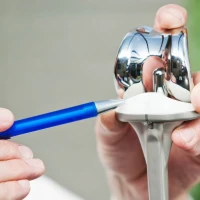
In the case of timely treatment to the clinic, in most cases, complications can be avoided. If erectile dysfunction occurs as a result of priapism, a man may be recommended a penile prosthesis.

If you experience symptoms of priapism, it is important to seek medical attention as soon
as possible to prevent complications.
You should see a doctor if you have the following symptoms:


swelling and discoloration of the penis are observed
erection not related to sexual arousal or stimulation
difficulty urinating, blood in the urine
erection lasts more than 4 hours
feeling of discomfort and pain


Priapism is a persistent erection that lasts more than 4 hours and is accompanied by pain, and is not associated with sexual arousal or stimulation. It develops due to impaired venous blood outflow or excessive arterial blood inflow.


High professionalism of the andrologist, genital surgeon
Application of high-tech surgical techniques
New expert-class equipment for diagnostics and surgical procedures
24-hour operation of the surgery department and emergency service


 4.85
4.85  23+
23+  23+ Years of experience
  Kyiv, st. Bereznyakivska, 30b



 in the clinic
  online
  Hello!


