Sign up via call center
Department
Maxillofacial surgery at the private clinic Oxford Medical Kyiv

Treatment of sialoadenitis

Treatment of sialoadenitis in Kiev

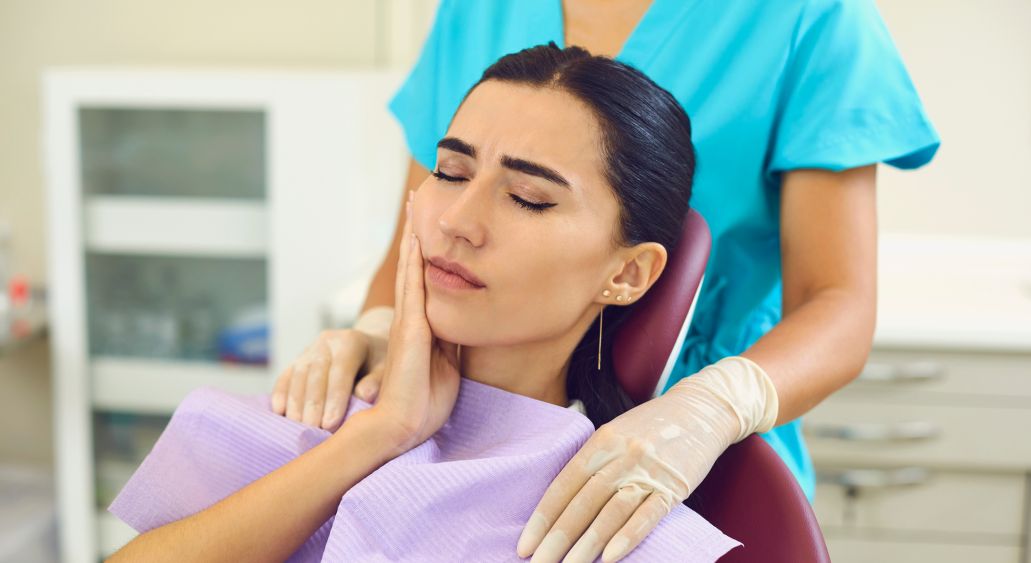
Do you feel pain or swelling in the area under the jaw or near the ear? Have you experienced discomfort while eating or discharge from the oral cavity? Such symptoms may indicate inflammation of the salivary gland - sialoadenitis. This disease requires timely diagnosis and competent treatment, because in the absence of therapy, the inflammation can spread, causing serious complications.

Sialoadenitis is not a very common, but quite dangerous disease. Most often it occurs against the background of an infection or with the formation of stones in the salivary ducts. In the early stages, the disease responds well to conservative treatment, but in case of severe course or late consultation with a doctor, surgical intervention may be required.

If you notice signs of inflammation of the salivary gland, do not postpone a visit to a specialist. Make an appointment for a consultation at the Oxford Medical clinic in Kyiv - we will help you restore your health.

Sialadenitis – what is it?

Sialadenitis — is an inflammatory process that affects the salivary glands, particularly the parotid, submandibular, and sublingual. The disease can be acute or chronic and is often associated with infectious agents, such as bacteria or viruses, or the formation of calculi in the salivary glands.​

Acute sialadenitis usually develops suddenly and is characterized by severe symptoms, while the chronic form may occur with less severe but prolonged manifestations. Without proper treatment, the acute process can become chronic, which complicates therapy and can lead to functional disorders of the gland.​

Main symptoms of sialoadenitis 1

Types of sialoadenitis

Sialadenitis is classified by course, localization and causes.
This approach allows the doctor to individually select the optimal treatment methods for each patient.

During the inflammatory process

  • Acute sialoadenitis. Has a sudden onset, is accompanied by pronounced symptoms — pain, swelling, elevated body temperature.

  • Chronic sialoadenitis. Is characterized by a sluggish course with periods of exacerbations. In this case, the gland gradually loses its functions.

By localization of lesion

  • Parotid sialoadenitis — inflammation of the major salivary glands near the ears.

  • Submandibular sialoadenitis — inflammation of the glands located under the lower jaw.

  • Sublingual sialoadenitis — inflammation of the glands under the tongue.

By cause of occurrence

  • Infectious sialadenitis — the most common variant, caused by bacteria or viruses.

  • Calculated sialadenitis — develops due to the formation of stones in the salivary glands, which prevent the normal outflow of saliva.

Calculated sialadenitis requires special attention, because without removing the stones it is impossible to fully cure the inflammation.

Main symptoms of sialoadenitis

Symptoms of sialoadenitis depend on the form and severity of the disease, but most often include:

Pain and swelling: Pain and swelling in the affected gland, which may worsen when eating or chewing

Skin redness: The skin over the inflamed gland may be red and warm to the touch

Discharge from the gland duct:When pressing on the gland, purulent or cloudy secretion may be released into the oral cavity

Dry mouth: decreased saliva production can cause a feeling of dryness and discomfort in the mouth

Increased body temperature: general symptoms of intoxication such as fever, weakness and malaise

List of diseases

Diagnosis of sialoadenitis

To establish a diagnosis, the doctor prescribes a comprehensive examination, which may include:

  • clinical examination — palpation of the salivary glands, detection of pain, swelling;

  • examination of the oral cavity;

  • ultrasound of the salivary glands — allows you to see the structure of the gland, the presence of stones, cysts or abscesses;

  • sialography — X-ray of the salivary ducts with the introduction of a contrast agent;

  • complete blood count to detect signs of inflammation;

  • bacteriological culture of salivary gland secretions.

The doctor may also recommend a CT scan if complications or a hard-to-reach location of the stone are suspected.

Treatment methods

The doctor selects the treatment regimen for sialadenitis individually depending on the form of the disease, localization and presence of stones.

In case of sialadenitis, the treatment protocol involves the appointment of:

  • antibacterial therapy — antibiotics for bacterial inflammation;

  • anti-inflammatory and antipyretic drugs;

  • means to improve saliva flow — lemon, acids, stimulating candies;

  • abundant drinking to reduce saliva thickening;

  • physiotherapy — UHF, electrophoresis;

  • salivary gland massage to improve salivary flow and reduce secretion stagnation;

  • if necessary — removal of a stone in the salivary gland surgically or with the help of special instruments.

In the event of purulent complications, it may be necessary to open an abscess or remove part of the gland.

When is surgical treatment prescribed?

In most cases, sialoadenitis is treated conservatively, but there are situations when surgery is unavoidable.

The main indications for surgical treatment of sialoadenitis:

  • ineffectiveness of drug therapy;

  • presence of a large stone in the salivary gland that cannot be removed naturally;

  • frequent relapses of chronic inflammation;

  • formation of an abscess (pus) in the tissues of the gland;

  • development of complications — fistulas, tissue necrosis;

  • stenosis (narrowing) or complete blockage of the salivary duct;

  • combination of inflammation of the salivary gland and lymph nodes, which complicates the course of the disease.

It is important to understand that the decision to operate is made only by a doctor after a complete examination and taking into account all factors.

Treatment of sialoadenitis 1

How is surgical treatment of sialoadenitis performed?

The surgical technique depends on the characteristics of the disease and the anatomical localization of the process. In modern practice, several options for surgery are used.

The main methods of surgical treatment:

Stone removal (sialolithotomy)

It is performed for calculous sialadenitis, when stones are found in the salivary glands that make it difficult for saliva to flow. The doctor makes a small incision in the duct area and carefully removes the stone.

Opening an abscess

If pus has accumulated in the gland tissues, the abscess is opened, cleaned, and washed with antiseptic solutions.

Resection of part of the gland

In difficult cases, when part of the gland is destroyed, partial removal of the affected tissues may be performed.

Complete removal of the salivary gland (sialadenectomy)

This is a radical operation, which is prescribed only for severe forms of chronic sialoadenitis, frequent relapses, or ineffectiveness of other treatment methods.

Recovery after surgery

After surgery, patients are required to be prescribed antibacterial therapy, wound care, and preventive measures to prevent complications.

At the Oxford Medical Medical Center in Kyiv, surgical treatment of sialoadenitis is performed according to modern standards using minimally invasive techniques and in compliance with all safety regulations.

In the first days after surgery, the patient may experience slight pain in the area of ​​the intervention, swelling, and discomfort when chewing or swallowing. These are normal symptoms that gradually disappear with proper care.

If necessary, the doctor may prescribe painkillers and antibiotics to prevent infection. Postoperative wound and dressing treatment are also performed.

After removal of a stone in the salivary gland or part of the gland, special attention is paid to the prevention of saliva stagnation and re-formation of stones.


Recommendations for patients after surgery

  • Follow a gentle diet. It is recommended to eat warm, soft, liquid or pureed food that does not irritate the oral mucosa.

  • Drink sufficient fluids. This helps to dilute saliva and improve its outflow.

  • Massage the salivary gland as recommended by your doctor. This improves blood circulation and promotes faster restoration of gland function.

  • Regularly rinse your mouth with antiseptic solutions (for example, chamomile decoction or special pharmacy products).

  • Avoid physical exertion and overheating in the first days after surgery.

  • Maintain oral hygiene.

  • Be sure to attend scheduled check-ups with your doctor to monitor healing.

Following these simple rules will help you return to your usual lifestyle faster and minimize the risk of recurrence of inflammation of the salivary gland and lymph nodes.

If severe pain, fever, or purulent discharge from the wound occur after surgery — Contact a doctor immediately.

Treatment of sialoadenitis: price at the Oxford Medical clinic

The cost of sialoadenitis treatment depends on the form of the disease, the complexity of the diagnosis, the need for surgical intervention and additional procedures. You can find out the prices in advance here. The doctor will provide you with more detailed information about the cost and methods of treatment during the initial consultation.

Make an appointment at the «Oxford Medical» clinic in Kyiv by phone or via the online form on the website.

Surgical ward
Our services
Consultations
Maxillofacial surgery services
Maxillary sinus junction plastic surgery
4400.00 ₴
Sign up by the call center
Osteosynthesis kit (with installation)
9800.00 ₴
Sign up by the call center
Treatment of bilateral displaced jaw fractures
46200.00 ₴
Sign up by the call center
Treatment of bilateral jaw fractures with displacement within the dentition
31000.00 ₴
Sign up by the call center
Treatment of unilateral jaw fractures with displacement within the dentition
29000.00 ₴
Sign up by the call center

Frequently asked questions

What to do if a stone has formed in the salivary gland?

If a stone forms in the salivary gland, you should consult a doctor. The specialist will conduct a diagnosis and determine a method for removing the stone.

Which doctor treats salivary gland inflammation?

In case of inflammation of the salivary gland, treatment can be carried out by an ENT doctor. If a stone has formed in the salivary gland, an abscess has developed, or surgery is necessary, the patient is referred to an maxillofacial surgeon. It is these specialists who select individual treatment and carry out all the necessary procedures.

How to quickly relieve inflammation of the salivary gland?

To relieve inflammation, your doctor may recommend antibiotics, physical therapy, salivary gland massage, warm compresses, and plenty of fluids. It is important not to self-medicate, but to see a doctor.

( Rating: 4.63 , Votes: 38 )

Advantages of sialoadenitis treatment at Oxford Medical Clinic

Modern equipment. Our clinic uses modern diagnostic equipment to accurately determine the localization and characteristics of inflammation.

Experienced doctors. All procedures are performed by qualified specialists with extensive experience.

A comprehensive approach to treatment. Doctors use modern methods of diagnosis and therapy, which allows them to accurately determine the cause of the disease and effectively eliminate it

Comfortable treatment conditions. Every patient can count on attentive treatment, a comfortable atmosphere and a high level of service.

Reviews
Альона 29.01.2026
Щиро дякую хірургу Фроловій Єлені Юріївні за суперово виконану операцію. Втручання було невелике, але для мене дуже важливе — і все пройшло швидко, акуратно та без ускладнень. Лікар уважна, спокіна, усе пояснив перед процедурою, так як я боялась- вона мене підтримувала та відволікала)) Загоєння проходило добре, шви зняла безболісно, результатом повністю задоволена. Дуже приємно мати справу з таким відповідальним і людяним спеціалістом. Рекомендую від щирого серця.
Star Star Star Star Star
Яніна 18.01.2026
Хочу висловити подяку Мудрієвському Богдану Любомировичу. Моєму батьку було зроблено ургентно (15.12.2025) операцію по видаленню жовчного міхура. Поки я їхала в лікарню лікар і медперсонал підготували тата до операції. Велика подяка Богдану Любомировичу за Професіоналізм, за чітке пояснення і відповіді на всі питання. Цей лікар не тільки Професіонал своєї справи з великої літери, це ще і чудова людина!!! Бажаємо Богдану Любомировичу міцного здоров'я і завжди залишатися такою ж чудовою та розуміючою людиною
Star Star Star Star Star
Current information
All Articles
Sign up
in the clinic
online
This site is protected by reCAPTCHA technology, and the Google Privacy Policy and Terms of Service apply.
Hello!
Let's take care
about your health:
Sign up via call center

We use cookies and other technologies to remember your preferences and find out exactly how you use and interact with the site.

By using our site, you also agree to the terms of the "User Agreement" and "Regulation on the processing and protection of personal data". By clicking "I AGREE", you consent to the processing of your data.